Eugenia Relaño Pastor – författare
Visar alla böcker från författaren Eugenia Relaño Pastor. Handla med fri frakt och snabb leverans.
4 produkter
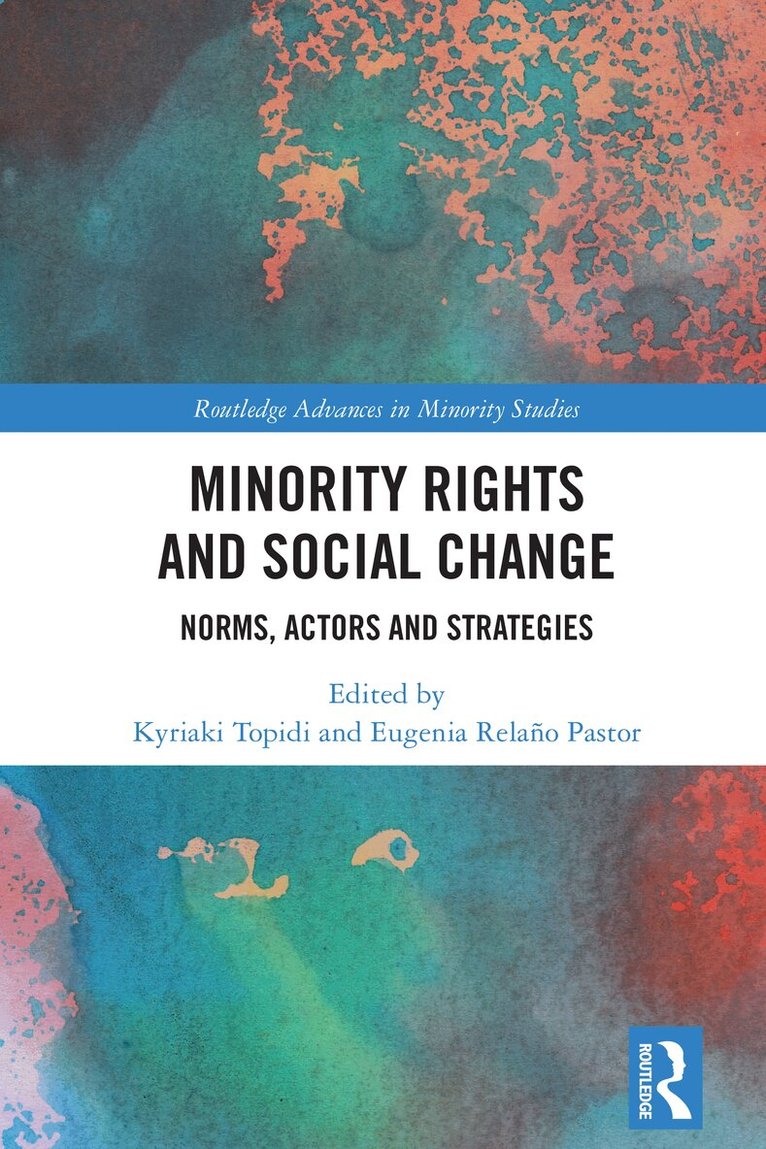
Minority Rights and Social Change
Norms, Actors and Strategies
Av Kyriaki Topidi, Eugenia Relaño Pastor
Inbunden, 2024
2303 kr
Lägg i varukorg
Minority movements tirelessly continue to engage in the process of social change, trying to promote and enforce minority protection norms and to have their world views, cultural practices, and norms recognized by the state. Through an examination of selected cases, this book problematizes how …
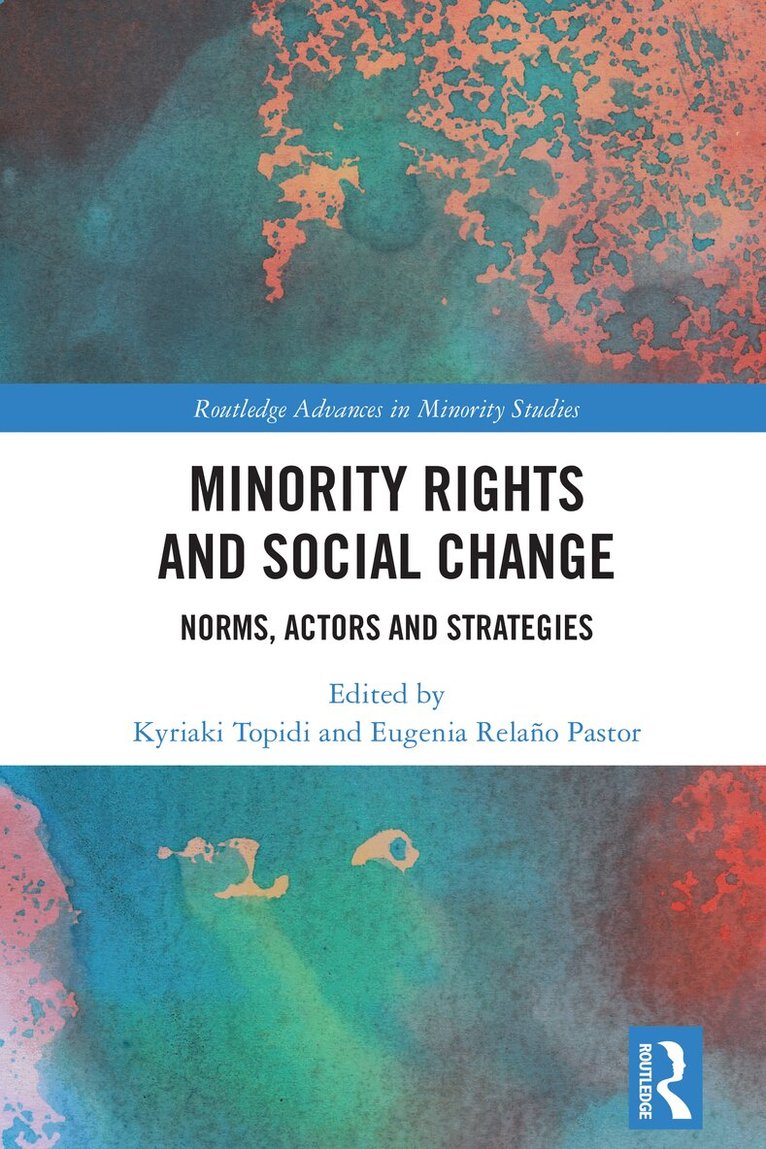
Minority Rights and Social Change
Norms, Actors and Strategies
Av Kyriaki Topidi, Eugenia Relaño Pastor
Häftad, 2026
647 kr
Lägg i varukorg
Minority movements tirelessly continue to engage in the process of social change, trying to promote and enforce minority protection norms and to have their world views, cultural practices, and norms recognized by the state. Through an examination of selected cases, this book problematizes how …
Minority Rights and Social Change
Norms, Actors and Strategies
Av Eugenia Relano Pastor, Kyriaki Topidi
E-bok, 2024
831 kr
Lägg i varukorg
Minority movements tirelessly continue to engage in the process of social change, trying to promote and enforce minority protection norms and to have their world views, cultural practices, and norms recognized by the state. Through an examination of selected cases, this book problematizes how …
Minority Rights and Social Change
Norms, Actors and Strategies
Av Eugenia Relano Pastor, Kyriaki Topidi
E-bok, 2024
805 kr
Lägg i varukorg
Minority movements tirelessly continue to engage in the process of social change, trying to promote and enforce minority protection norms and to have their world views, cultural practices, and norms recognized by the state. Through an examination of selected cases, this book problematizes how …