Eva Aldea – författare
Visar alla böcker från författaren Eva Aldea. Handla med fri frakt och snabb leverans.
6 produkter
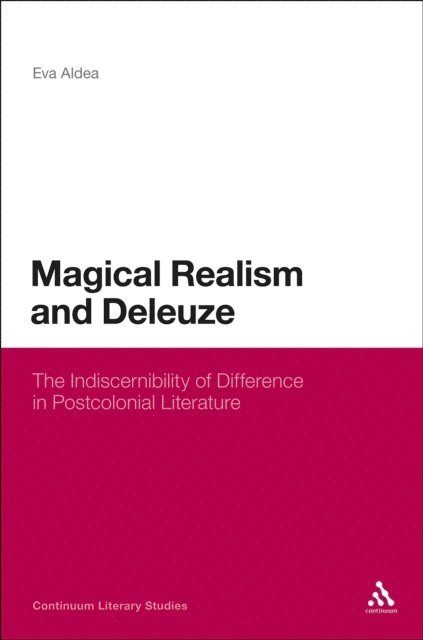
Magical Realism and Deleuze
The Indiscernibility of Difference in Postcolonial Literature
Av Eva Aldea
E-bok, 2010
699 kr
Lägg i varukorg
Since the success of Gabriel García Márquez's 1967 novel One Hundred Years of Solitude, and the following Latin American literary 'boom' of the late sixties and seventies, magical realism has had a steady following, an international influence and become established as a literary genre. Yet its …
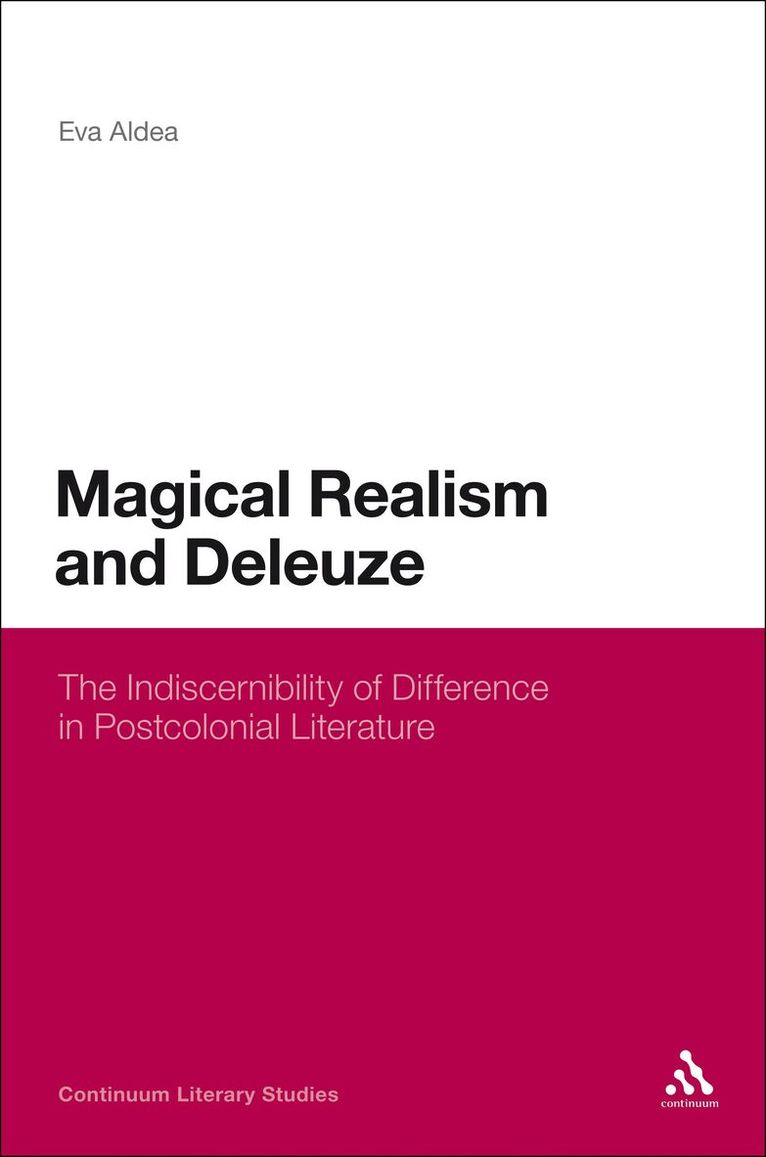
Magical Realism and Deleuze
The Indiscernibility of Difference in Postcolonial Literature
Av Eva Aldea
Inbunden, 2011
2443 kr
Lägg i varukorg
A reconsideration of a major and popular genre influenced by the thought of the significant French philosopher Gilles Deleuze.
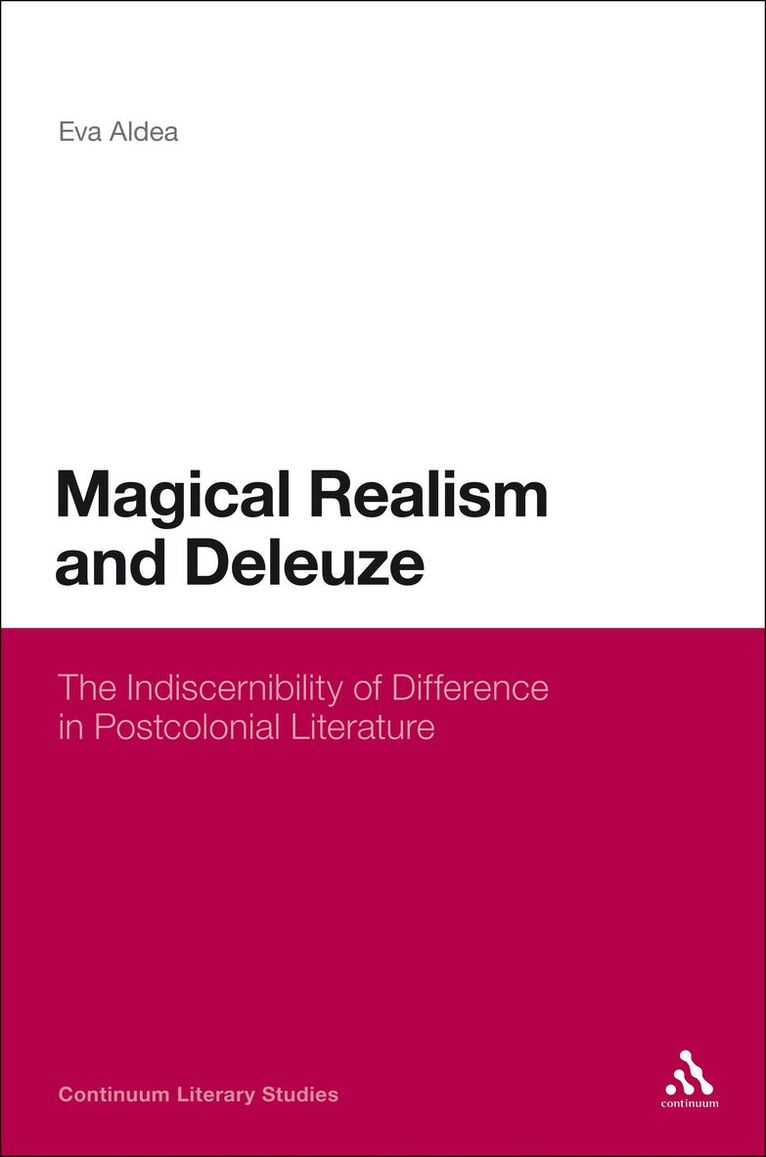
Magical Realism and Deleuze
The Indiscernibility of Difference in Postcolonial Literature
Av Eva Aldea
Häftad, 2012
641 kr
Lägg i varukorg
Since the success of Gabriel García Márquez's 1967 novel One Hundred Years of Solitude, and the following Latin American literary 'boom' of the late sixties and seventies, magical realism has had a steady following, an international influence and become established as a literary genre. Yet its …
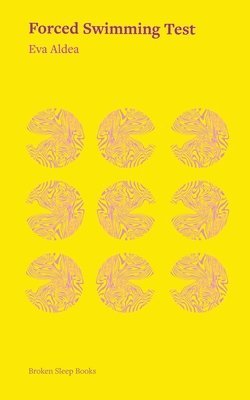
Forced Swimming Test
Essays on family, mental health, neurodivergence and medication
Av Eva Aldea
Häftad, 2025
176 kr
Lägg i varukorg