Eva Harasta – författare
Visar alla böcker från författaren Eva Harasta. Handla med fri frakt och snabb leverans.
6 produkter
6 produkter
Inbunden, Engelska, 2009
2 367 kr
Skickas inom 10-15 vardagar
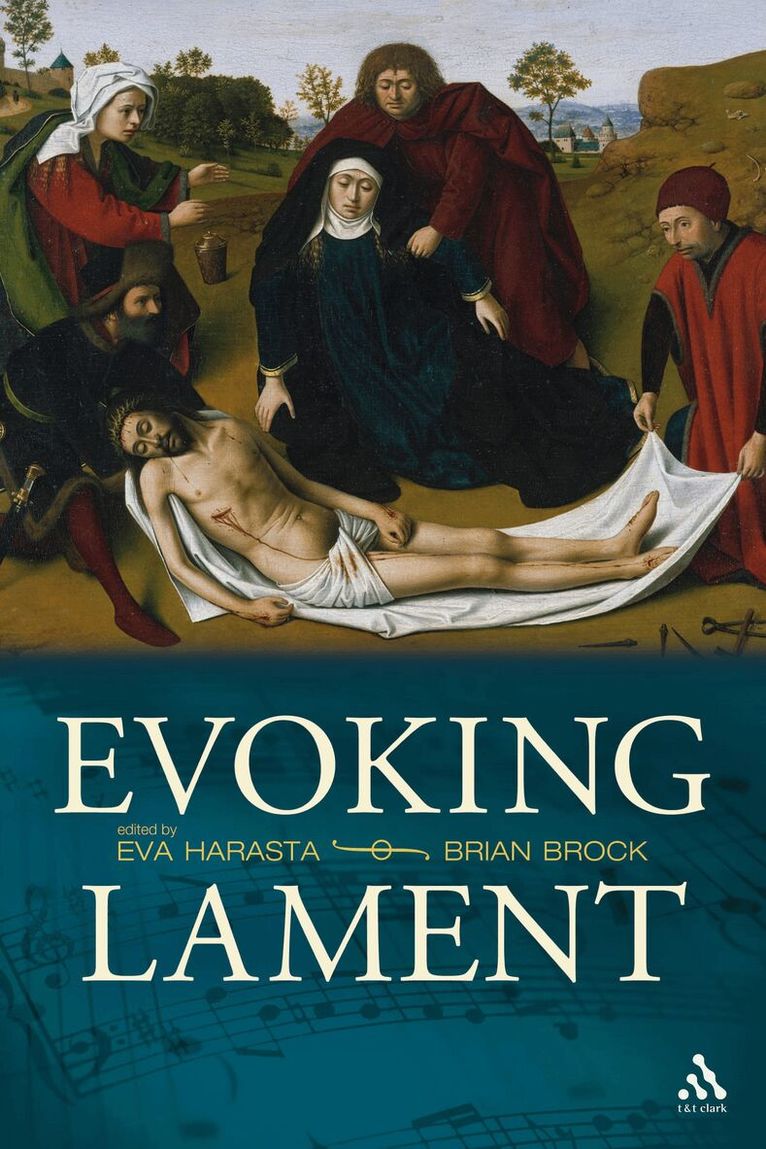
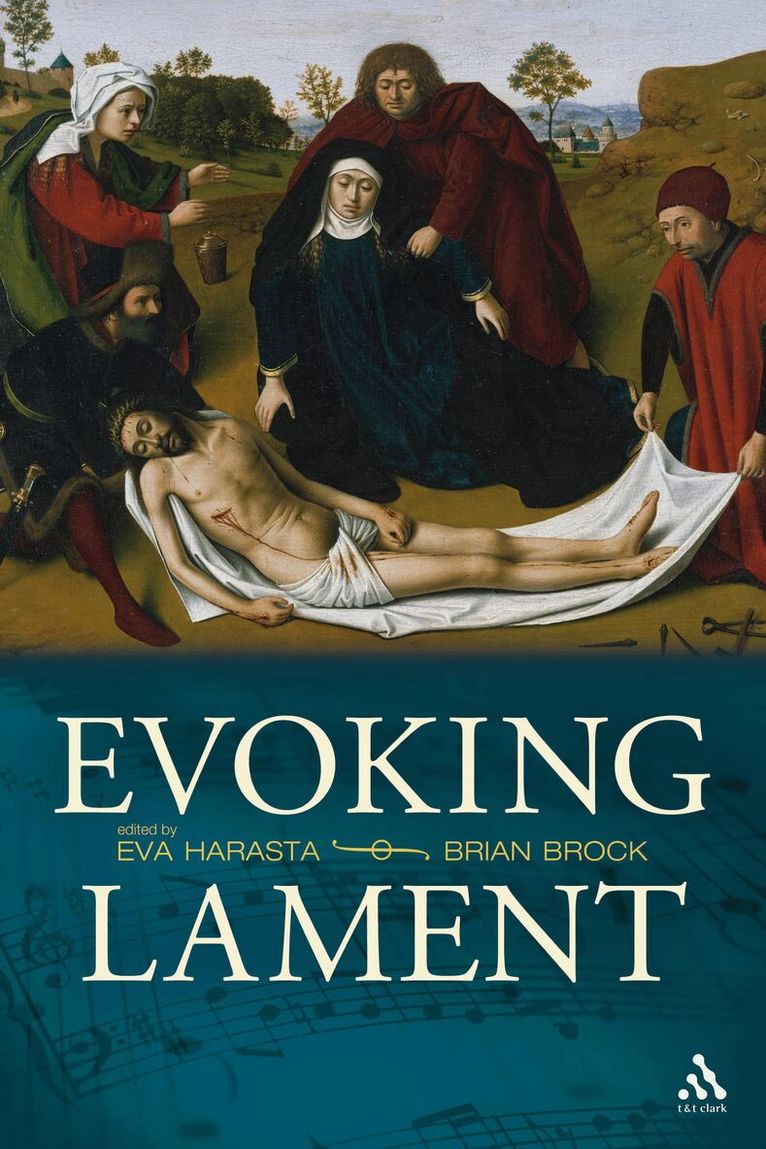
Harasta and Brock show how lament seems to introduce notes of mistrust into an otherwise confident relationship with faith, God and His will. In prayer all experiences may be brought to God in openness and trust. Yet lament seems to introduce notes of mistrust into a relationship properly characterized by confident faith in God and His will. Sustained attention to lament presents a challenge to theological reflection in reminding it of the acuteness of the experience of suffering and evil. This volume suggests that a robust concept and practice of lament is an appropriate response to questions of evil and suffering in its refusal to close off questions that cannot and should not be closed. Lament takes place in the eye of the storm of theodicy, and when the distinct content of Christian lament is discovered here the question of theodicy is transformed. The first section reflects on the anthropological conditions of lament, describing it as a hermeneutic for negotiating adverse experiences that transcends the simple opposition of innocent suffering and guilt.The second section reflects on why and how lament has faded from modern theological thought that is over reliant on systematic accounts of evil and whose abstractions have drifted free of religious experience. The third section develops an understanding of trust that includes expressions of lament while not sanitizing its rawness. The final section inquires after the distinct Christian profile of lament. Lament, even as an experience of isolation, stands within the believing community and its traditions. Moreover, because Christian lament is based on Christ's passion and resurrection, Christ endorses and shapes the believers' lament as he shapes their praise.
Häftad, Engelska, 2009
840 kr
Skickas inom 10-15 vardagar
Harasta and Brock show how lament seems to introduce notes of mistrust into an otherwise confident relationship with faith, God and His will. In prayer all experiences may be brought to God in openness and trust. Yet lament seems to introduce notes of mistrust into a relationship properly characterized by confident faith in God and His will. Sustained attention to lament presents a challenge to theological reflection in reminding it of the acuteness of the experience of suffering and evil. This volume suggests that a robust concept and practice of lament is an appropriate response to questions of evil and suffering in its refusal to close off questions that cannot and should not be closed. Lament takes place in the eye of the storm of theodicy, and when the distinct content of Christian lament is discovered here the question of theodicy is transformed. The first section reflects on the anthropological conditions of lament, describing it as a hermeneutic for negotiating adverse experiences that transcends the simple opposition of innocent suffering and guilt. The second section reflects on why and how lament has faded from modern theological thought that is over reliant on systematic accounts of evil and whose abstractions have drifted free of religious experience. The third section develops an understanding of trust that includes expressions of lament while not sanitizing its rawness. The final section inquires after the distinct Christian profile of lament. Lament, even as an experience of isolation, stands within the believing community and its traditions. Moreover, because Christian lament is based on Christ's passion and resurrection, Christ endorses and shapes the believers' lament as he shapes their praise.
E-bok
PDF, Engelska, 2009876 kr
Läs direkt efter köp
Harasta and Brock show how lament seems to introduce notes of mistrust into an otherwise confident relationship with faith, God and His will. In prayer all experiences may be brought to God in openness and trust. Yet lament seems to introduce notes of mistrust into a relationship properly characterized by confident faith in God and His will. Sustained attention to lament presents a challenge to theological reflection in reminding it of the acuteness of the experience of suffering and evil. This volume suggests that a robust concept and practice of lament is an appropriate response to questions of evil and suffering in its refusal to close off questions that cannot and should not be closed. Lament takes place in the eye of the storm of theodicy, and when the distinct content of Christian lament is discovered here the question of theodicy is transformed. The first section reflects on the anthropological conditions of lament, describing it as a hermeneutic for negotiating adverse experiences that transcends the simple opposition of innocent suffering and guilt. The second section reflects on why and how lament has faded from modern theological thought that is over reliant on systematic accounts of evil and whose abstractions have drifted free of religious experience. The third section develops an understanding of trust that includes expressions of lament while not sanitizing its rawness. The final section inquires after the distinct Christian profile of lament. Lament, even as an experience of isolation, stands within the believing community and its traditions. Moreover, because Christian lament is based on Christ''s passion and resurrection, Christ endorses and shapes the believers'' lament as he shapes their praise.
E-bok
PDF, Tyska, 2011655 kr
Läs direkt efter köp
Ist es möglich, die "wahre Kirche" so auszulegen, dass sie eine Vielfalt konfessioneller Gestalten von Kirche einschließt? Diese Untersuchung geht davon aus, dass die Beziehung Jesu Christi zu seinen Gemeinschaften das wesentliche Merkmal der wahren Kirche ist. Anhand christologischer Kriterien (Menschwerdung, Kreuz, Auferstehung und Erhöhung) und soteriologischer Kriterien (Glaube, Liebe, Hoffnung) lässt sich das Bewahrheitungshandeln Christi näher beschreiben. Während die Kriterien als solche grundlegend sind, wird ihr "Zusammenspiel" verschieden erlebt und gedacht. Dieser Ansatz wird auf der Grundlage von vier Positionen entwickelt: Martin Luther, Augustinus, Dietrich Bonhoeffer und Paul Tillich. So wird eine profiliert evangelische Ekklesiologie entwickelt, der es ein Anliegen ist, auf die ökumenischen und interreligiösen Herausforderungen reagieren zu können.
E-bok
PDF, Engelska, 2019239 kr
Läs direkt efter köp
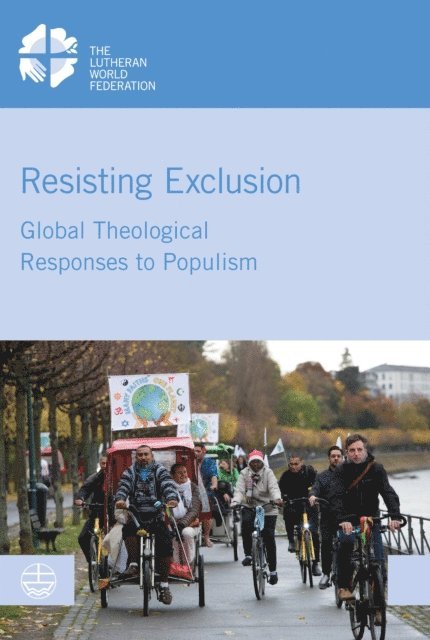
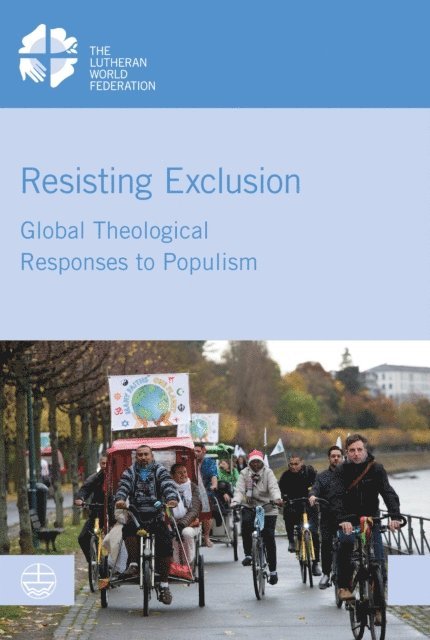
As societies live with diversity and yet struggle with both social fragmentation and increasing economic inequalities, populism is once again rising. Populist ethno-nationalist discourse seeks to ignite fear and hate, promote marginalization and exclusion of those who are regarded as not belonging to "the people". What is the role and responsibility of theology and the churches in the midst of these developments? Church leaders and teaching theologians from eighteen different countries offer analyses, trace emerging global trends and outline some country-specific developing situations. Examples are given of how churches take up the challenge to resist exclusion and advocate for strengthening participatory processes and people''s agency.Widerstand gegen Ausgrenzung. Globale theologische Antworten auf den PopulismusIn Zeiten, in denen Gesellschaften mit der Vielfalt leben und dennoch mit sozialer Fragmentierung und zunehmenden wirtschaftlichen Ungleichheiten zu kämpfen haben, nimmt der Populismus wieder zu. Der populistische ethno-nationalistische Diskurs zielt darauf ab, Angst und Hass zu schüren und die Marginalisierung und Ausgrenzung derjenigen zu fördern, die als nicht zum "Volk" gehörend betrachtet werden. Welche Rolle und Verantwortung haben die Theologie und die Kirchen angesichts dieser Entwicklungen? Kirchenleitende und Theologen aus achtzehn verschiedenen Ländern erstellen Analysen, verfolgen neue globale Tendenzen und beschreiben einige länderspezifische Entwicklungssituationen. Anhand von Beispielen wird gezeigt, wie Kirchen die Herausforderung annehmen, der Ausgrenzung zu widerstehen und sich für die Stärkung von partizipativen Prozessen und der Handlungskompetenz der Menschen einzusetzen.
E-bok
Engelska, 2019239 kr
Läs direkt efter köp
As societies live with diversity and yet struggle with both social fragmentation and increasing economic inequalities, populism is once again rising. Populist ethno-nationalist discourse seeks to ignite fear and hate, promote marginalization and exclusion of those who are regarded as not belonging to "the people". What is the role and responsibility of theology and the churches in the midst of these developments? Church leaders and teaching theologians from eighteen different countries offer analyses, trace emerging global trends and outline some country-specific developing situations. Examples are given of how churches take up the challenge to resist exclusion and advocate for strengthening participatory processes and people''s agency.Widerstand gegen Ausgrenzung. Globale theologische Antworten auf den PopulismusIn Zeiten, in denen Gesellschaften mit der Vielfalt leben und dennoch mit sozialer Fragmentierung und zunehmenden wirtschaftlichen Ungleichheiten zu kämpfen haben, nimmt der Populismus wieder zu. Der populistische ethno-nationalistische Diskurs zielt darauf ab, Angst und Hass zu schüren und die Marginalisierung und Ausgrenzung derjenigen zu fördern, die als nicht zum "Volk" gehörend betrachtet werden. Welche Rolle und Verantwortung haben die Theologie und die Kirchen angesichts dieser Entwicklungen? Kirchenleitende und Theologen aus achtzehn verschiedenen Ländern erstellen Analysen, verfolgen neue globale Tendenzen und beschreiben einige länderspezifische Entwicklungssituationen. Anhand von Beispielen wird gezeigt, wie Kirchen die Herausforderung annehmen, der Ausgrenzung zu widerstehen und sich für die Stärkung von partizipativen Prozessen und der Handlungskompetenz der Menschen einzusetzen.