Eva M. Spehn – författare
Visar alla böcker från författaren Eva M. Spehn. Handla med fri frakt och snabb leverans.
9 produkter
9 produkter
Häftad, Engelska, 2019
932 kr
Skickas inom 10-15 vardagar
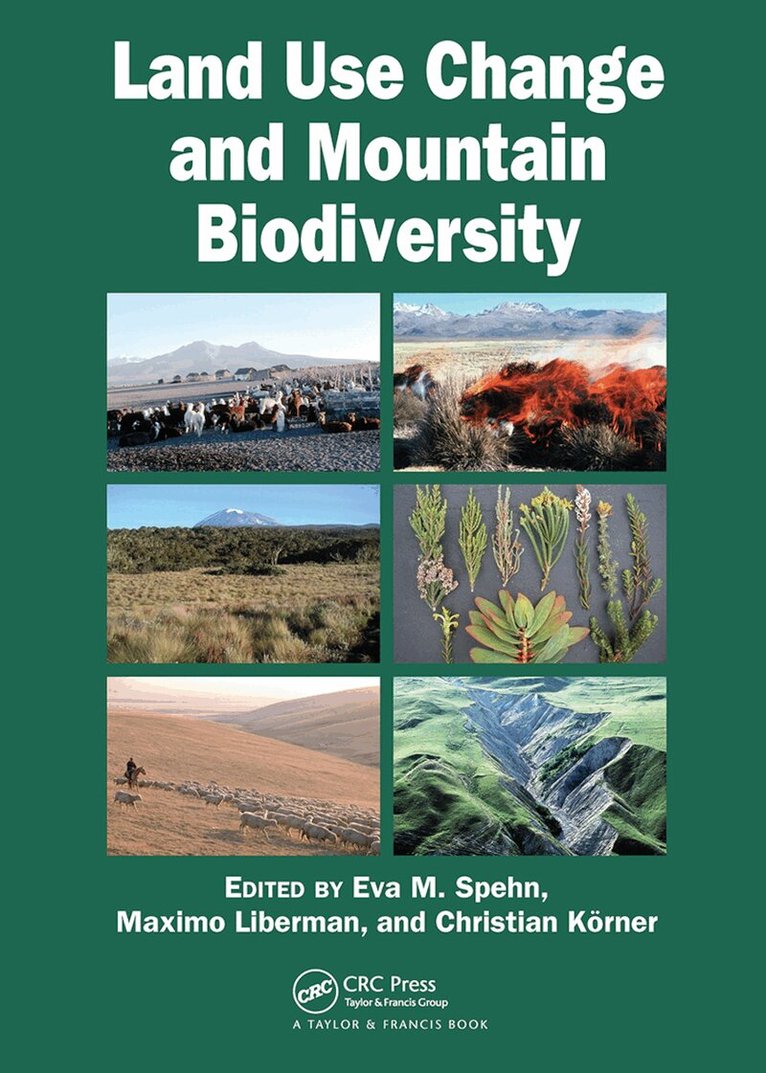
Part of the worldwide biodiversity program DIVERSITAS, the Global Mountain Biodiversity Assessment (GMBA) assesses the biological richness of high-elevation biota. GMBA’s focus includes the uppermost forest regions or their substitute rangeland vegetation, the treeline ecotone, and the alpine and nival belts. Providing more than description, the GMBA explains the causes of biological richness and how diversity changes over time. Because biodiversity changes often result from human land use, part of the GMBA agenda is the assessment of land use impacts. These assessments are critical in low-latitude regions, where land use pressure on upland biota is the greatest.The chapters of Land Use Change and Mountain Biodiversity derive from a peer-review process that followed presentations offered at two GMBA workshops, one in Tanzania and the other in Bolivia. More than 50 researchers actively participated in these events, discussing information from all major mountain regions, with a particular focus on the Andes and on African mountains.
E-bok
Engelska, 20061 103 kr
Läs direkt efter köp
Part of the worldwide biodiversity program DIVERSITAS, the Global Mountain Biodiversity Assessment (GMBA) assesses the biological richness of high-elevation biota. GMBA''s focus includes the uppermost forest regions or their substitute rangeland vegetation, the treeline ecotone, and the alpine and nival belts. Providing more than description, the GM
E-bok
Engelska, 20091 282 kr
Läs direkt efter köp
Thanks to advances in electronic archiving of biodiversity data and the digitization of climate and other geophysical data, a new era in biogeography, functional ecology, and evolutionary ecology has begun. In Data Mining for Global Trends in Mountain Biodiversity, Christian Korner, Eva M. Spehn, and a team of experts from the Global Mountain Biodi
Häftad, Engelska, 2017
1 114 kr
Skickas inom 10-15 vardagar
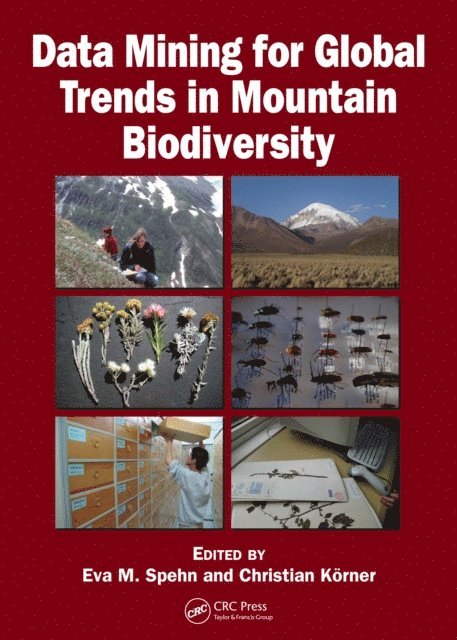
Thanks to advances in electronic archiving of biodiversity data and the digitization of climate and other geophysical data, a new era in biogeography, functional ecology, and evolutionary ecology has begun. In Data Mining for Global Trends in Mountain Biodiversity, Christian Korner, Eva M. Spehn, and a team of experts from the Global Mountain Biodiversity Assessment of DIVERSITAS explore two of the hottest subjects in science and technology: biodiversity and data mining. They demonstrate how to harness the scientific power of biological databases for furthering ecological and evolutionary theory. Expert contributors address two aspects of the Global Mountain Biodiversity Assessment. They cover how to link biodiversity data with geophysical data and how to use biodiversity data to substantiate evolutionary and ecological theory. The text provides different methodological approaches and examples of successful mining of geo-referenced data in mountain regions on various scales. It includes: Elevational and latitudinal gradients in plant diversityE-mining trends in diversity of Lepidoptera, beetles, and birdsNiche modeling to explain past trends and predict future trends in mountain biodiversitySharing biodiversity data with the Global Biodiversity Information FacilityUsing electronic databases opens ways to manage biodiversity in a sustainable fashion, test evolutionary and ecological theories, and measure the impact of climate change on various species and its effect on conservation efforts. The information and examples presented in this book can stimulate the creative use of archive data to answer old questions with new tools, and advance knowledge and understanding of mountain biodiversity worldwide. The book highlights the benefits of and the continuing need for an increase in the amount and quality of georeferenced data provided online in order to meet the challenges of global change.
E-bok
PDF, Engelska, 20061 103 kr
Läs direkt efter köp
Part of the worldwide biodiversity program DIVERSITAS, the Global Mountain Biodiversity Assessment (GMBA) assesses the biological richness of high-elevation biota. GMBA''s focus includes the uppermost forest regions or their substitute rangeland vegetation, the treeline ecotone, and the alpine and nival belts. Providing more than description, the GM
E-bok
PDF, Engelska, 20091 282 kr
Läs direkt efter köp
Thanks to advances in electronic archiving of biodiversity data and the digitization of climate and other geophysical data, a new era in biogeography, functional ecology, and evolutionary ecology has begun. In Data Mining for Global Trends in Mountain Biodiversity, Christian Korner, Eva M. Spehn, and a team of experts from the Global Mountain Biodi
Inbunden, Engelska, 2006
1 657 kr
Tillfälligt slut
Part of the worldwide biodiversity program DIVERSITAS, the Global Mountain Biodiversity Assessment (GMBA) assesses the biological richness of high-elevation biota. GMBA’s focus includes the uppermost forest regions or their substitute rangeland vegetation, the treeline ecotone, and the alpine and nival belts. Providing more than description, the GMBA explains the causes of biological richness and how diversity changes over time. Because biodiversity changes often result from human land use, part of the GMBA agenda is the assessment of land use impacts. These assessments are critical in low-latitude regions, where land use pressure on upland biota is the greatest.The chapters of Land Use Change and Mountain Biodiversity derive from a peer-review process that followed presentations offered at two GMBA workshops, one in Tanzania and the other in Bolivia. More than 50 researchers actively participated in these events, discussing information from all major mountain regions, with a particular focus on the Andes and on African mountains.
Inbunden, Engelska, 2009
2 250 kr
Tillfälligt slut
Thanks to advances in electronic archiving of biodiversity data and the digitization of climate and other geophysical data, a new era in biogeography, functional ecology, and evolutionary ecology has begun. In Data Mining for Global Trends in Mountain Biodiversity, Christian Korner, Eva M. Spehn, and a team of experts from the Global Mountain Biodiversity Assessment of DIVERSITAS explore two of the hottest subjects in science and technology: biodiversity and data mining. They demonstrate how to harness the scientific power of biological databases for furthering ecological and evolutionary theory. Expert contributors address two aspects of the Global Mountain Biodiversity Assessment. They cover how to link biodiversity data with geophysical data and how to use biodiversity data to substantiate evolutionary and ecological theory. The text provides different methodological approaches and examples of successful mining of geo-referenced data in mountain regions on various scales. It includes: Elevational and latitudinal gradients in plant diversityE-mining trends in diversity of Lepidoptera, beetles, and birdsNiche modeling to explain past trends and predict future trends in mountain biodiversitySharing biodiversity data with the Global Biodiversity Information FacilityUsing electronic databases opens ways to manage biodiversity in a sustainable fashion, test evolutionary and ecological theories, and measure the impact of climate change on various species and its effect on conservation efforts. The information and examples presented in this book can stimulate the creative use of archive data to answer old questions with new tools, and advance knowledge and understanding of mountain biodiversity worldwide. The book highlights the benefits of and the continuing need for an increase in the amount and quality of georeferenced data provided online in order to meet the challenges of global change.
Häftad, Engelska, 2002
1 591 kr
Tillfälligt slut
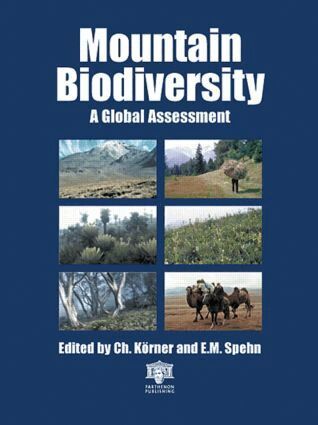
This book is the result of the first global conference on mountain biodiversity, and is a contribution to the International Year of Mountains, 2002. The Global Mountain Biodiversity Assessment program is a Special Target Area Region project of DIVERSITAS (UNESCO and UNEP). Biological diversity is essential for the integrity of mountain ecosystems and this dependency is likely to increase as environmental (climate) and social conditions change. Steep terrain and climate, and severe land-use pressure cause mountain ecosystems to rank among the world's most endangered landscapes. The 28 chapters in this book represent research on the biological riches in all major mountain ranges of the world, and synthesize existing knowledge on mountain biodiversity - from diversity of bacteria, plants and animals to human diversity. The book is divided into five sections: an introduction providing an overview of the issues; plant and animal diversity; climate change and mountain biodiversity; land use and conservation; and a synthesis.