Eva Madelung – författare
Visar alla böcker från författaren Eva Madelung. Handla med fri frakt och snabb leverans.
5 produkter
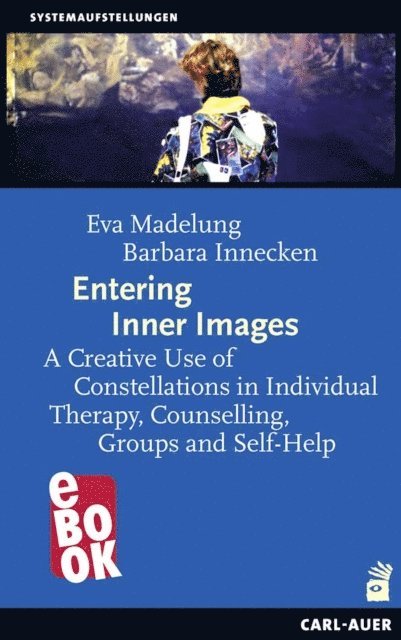
Entering Inner Images
A Creative Use of Constellations in Individual Therapy, Counselling, Groups and Self-Help
Av Barbara Innecken, Eva Madelung
E-bok, 2018
215 kr
Lägg i varukorg
Neuro-imaginative gestalting (NIG) is a systemic method, developed for individual therapy by Eva Madelung, that can be used in counselling, self-help and group work. The novel integration of techniques from art therapy into the systemic process encourages therapeutic creativity and individual …
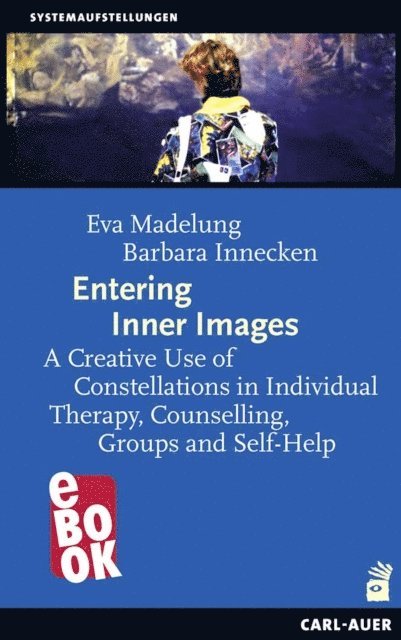
Entering Inner Images
A Creative Use of Constellations in Individual Therapy, Counselling, Groups and Self-Help
Av Barbara Innecken, Eva Madelung
E-bok, 2018
215 kr
Lägg i varukorg
Neuro-imaginative gestalting (NIG) is a systemic method, developed for individual therapy by Eva Madelung, that can be used in counselling, self-help and group work. The novel integration of techniques from art therapy into the systemic process encourages therapeutic creativity and individual …
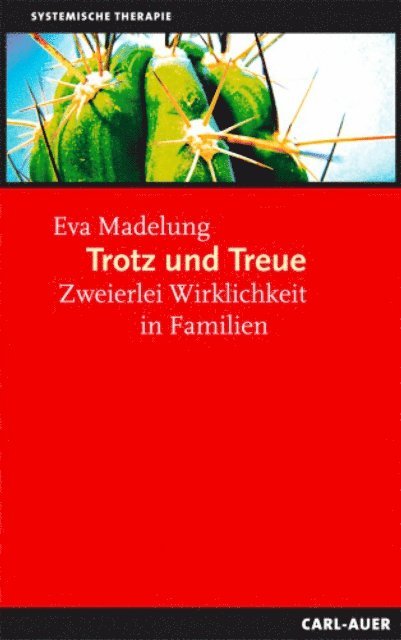
Trotz und Treue
Zweierlei Wirklichkeit in Familien
Av Eva Madelung
E-bok, 2010
113 kr
Lägg i varukorg
Trotz ist ein spezifisch menschliches Verhalten. Es beschränkt sich nicht nur auf die ersten Lebensjahre, in Form von Trotz gegen die Eltern oder sonstige Autoritäten. Es gibt auch den Trotz gegen das Leben. Während der kindliche Trotz zur Ablösung gehört und gegenüber den vital verbundenen …
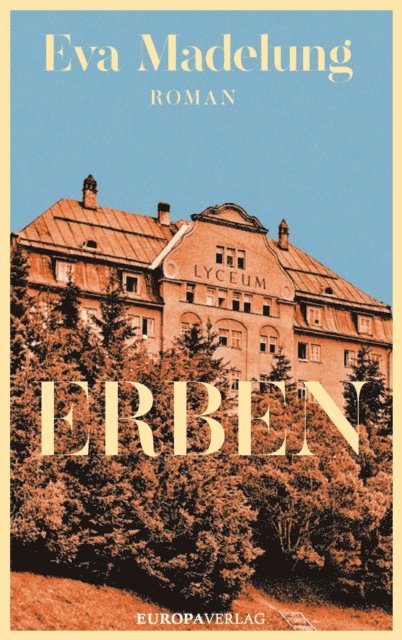
Erben
Roman
Av Eva Madelung
E-bok, 2020
137 kr
Lägg i varukorg
Die Geschwister Maya und Philipp wachsen als Kinder des vermögenden Börsenmaklers Hans Müller auf. In dem Eliteinternat Lyzeum Alpinum in Zuoz freunden sie sich mit den Geschwistern Urs und Grete an, die wie Maya und Philip auf ihre spätere Rolle im florierenden Familienunternehmen vorbereitet …