Evelina Lundmark – författare
Visar alla böcker från författaren Evelina Lundmark. Handla med fri frakt och snabb leverans.
4 produkter
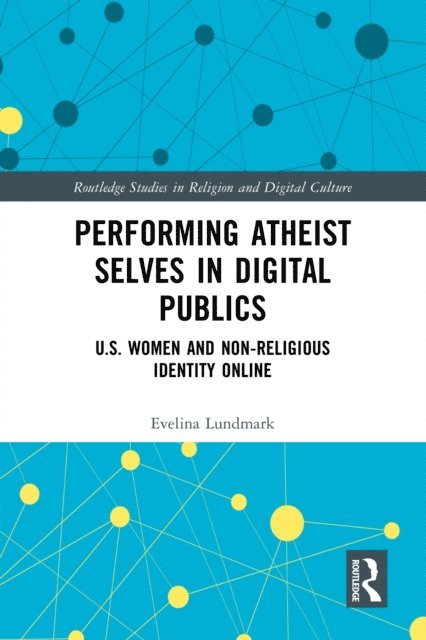
Performing Atheist Selves in Digital Publics
U.S. Women and Non-Religious Identity Online
E-bok, 2023
746 kr
Lägg i varukorg
This book considers how the non-religious self is performed publicly online, and how digital culture and technology shapes this process. Building on a YouTube case study with women vloggers, it presents unique empirical data on non-organized atheism in the United States. Lundmark suggests that the …
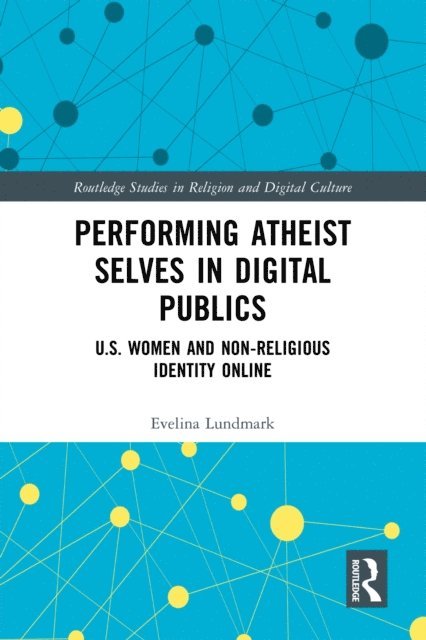
Performing Atheist Selves in Digital Publics
U.S. Women and Non-Religious Identity Online
E-bok, 2023
746 kr
Lägg i varukorg
This book considers how the non-religious self is performed publicly online, and how digital culture and technology shapes this process. Building on a YouTube case study with women vloggers, it presents unique empirical data on non-organized atheism in the United States. Lundmark suggests that the …
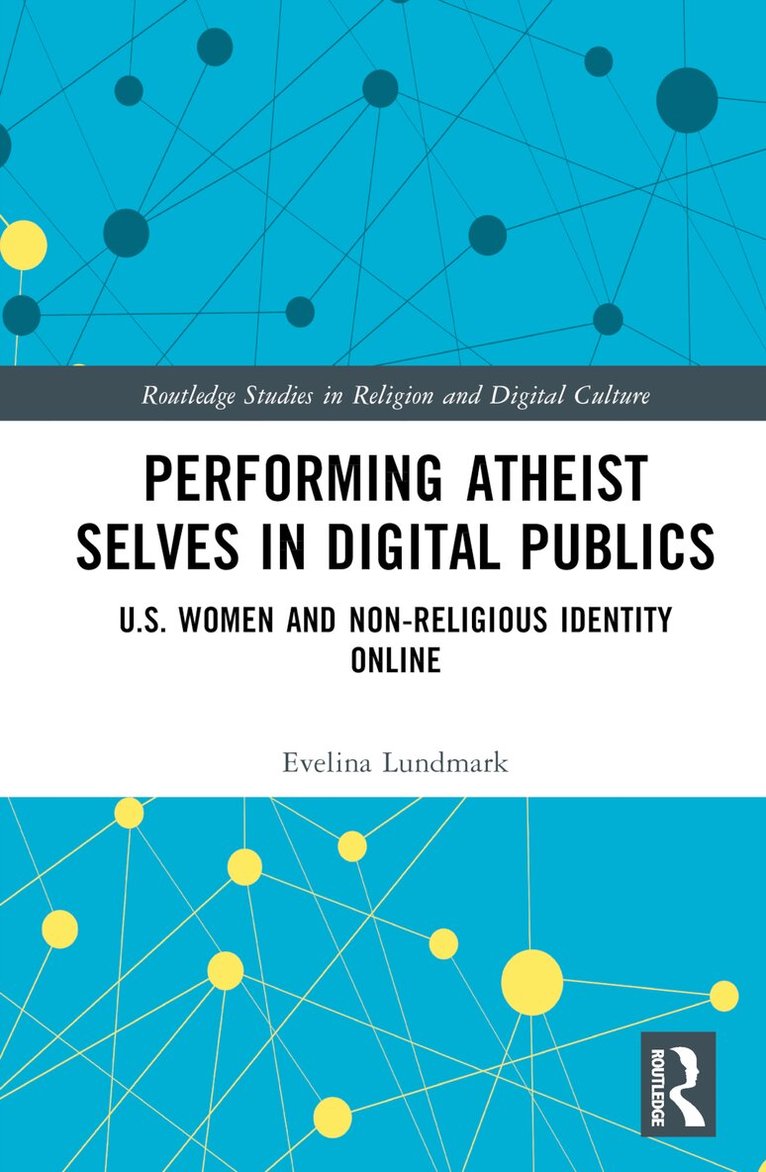
Performing Atheist Selves in Digital Publics
U.S. Women and Non-Religious Identity Online
Inbunden, 2023
2133 kr
Lägg i varukorg
This book considers how the non-religious self is performed publicly online, and how digital culture and technology shapes this process. Building on a YouTube case study with women vloggers, it presents unique empirical data on non-organized atheism in the United States. Lundmark suggests that the …
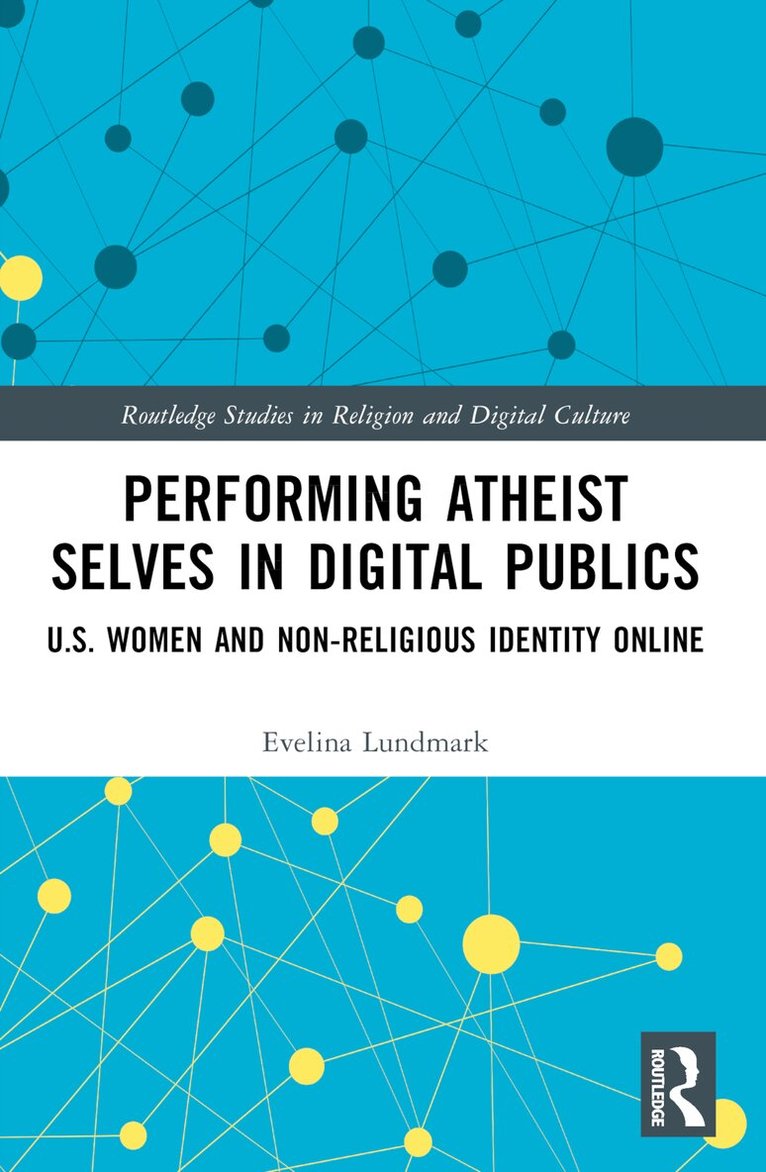
Performing Atheist Selves in Digital Publics
U.S. Women and Non-Religious Identity Online
Häftad, 2024
648 kr
Lägg i varukorg
This book considers how the non-religious self is performed publicly online, and how digital culture and technology shapes this process. Building on a YouTube case study with women vloggers, it presents unique empirical data on non-organized atheism in the United States. Lundmark suggests that the …