Eyal Regev – författare
Visar alla böcker från författaren Eyal Regev. Handla med fri frakt och snabb leverans.
8 produkter
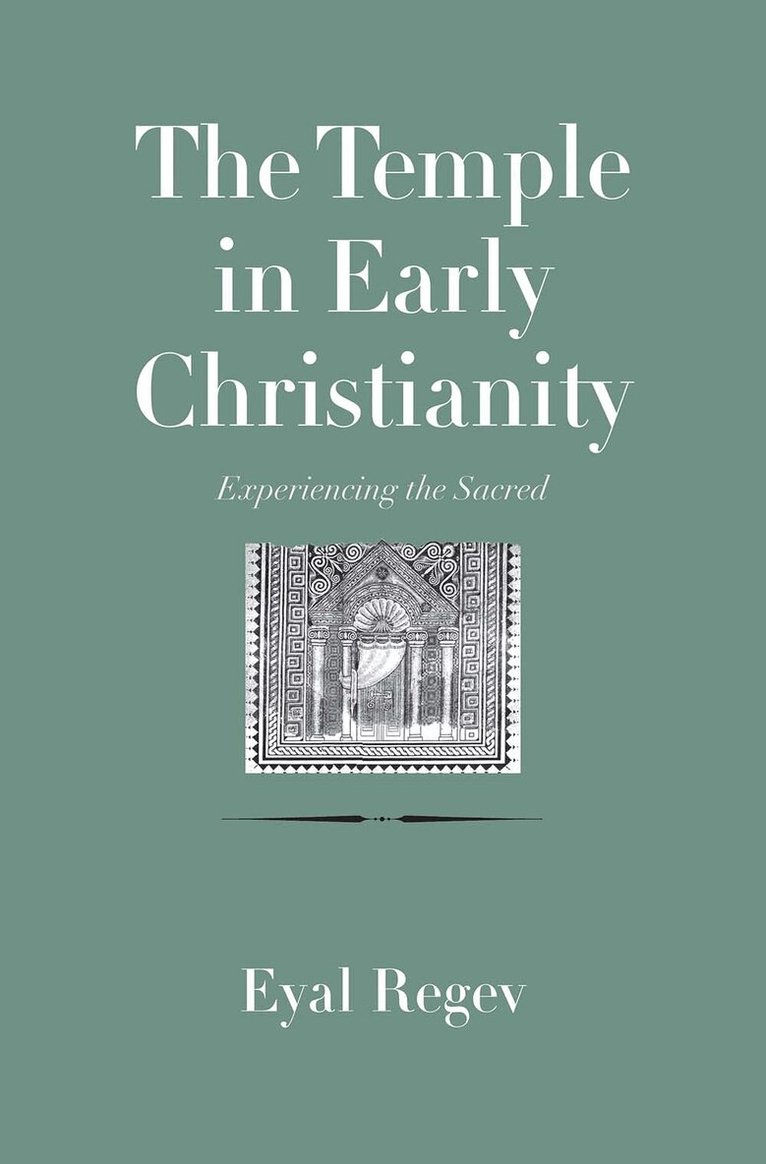
Temple in Early Christianity
Experiencing the Sacred
Av Eyal Regev
Inbunden, 2019
545 kr
Lägg i varukorg
A comprehensive treatment of the early Christian approaches to the Temple and its role in shaping Jewish and Christian identityThe first scholarly work to trace the Temple throughout the entire New Testament, this study examines Jewish and Christian attitudes toward the Temple in the first century …
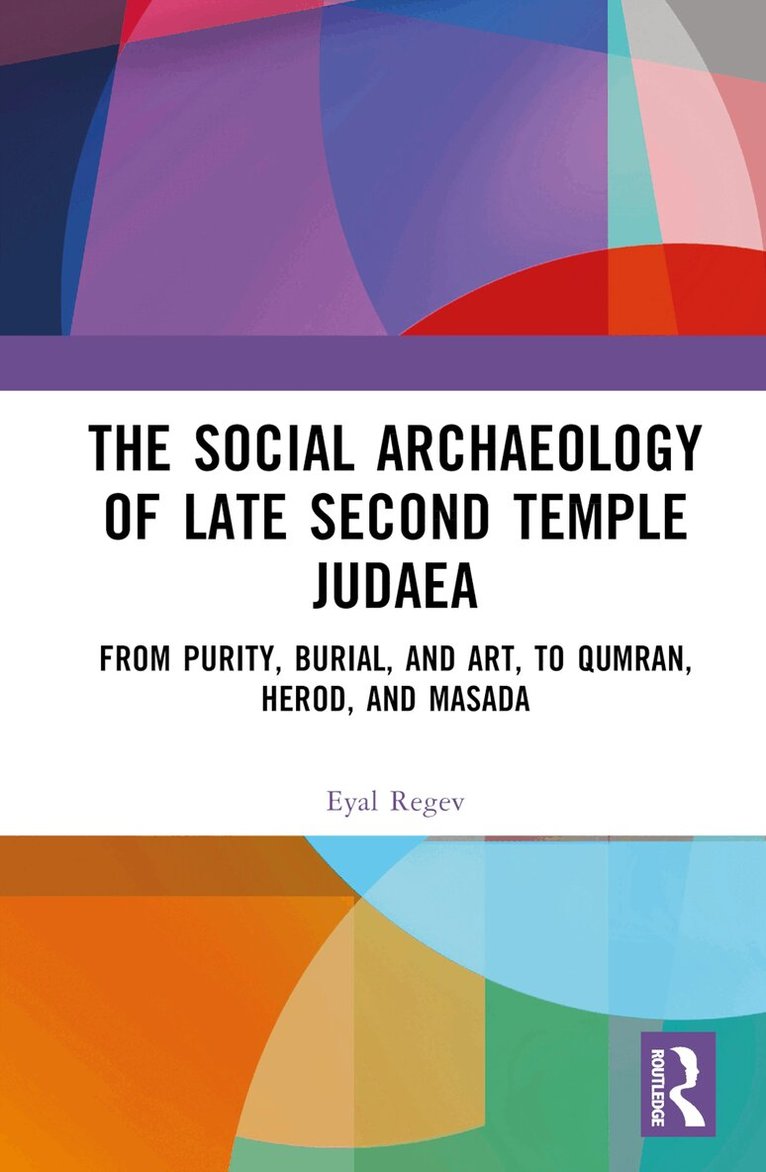
Social Archaeology of Late Second Temple Judaea
From Purity, Burial, and Art, to Qumran, Herod, and Masada
Av Eyal Regev
E-bok, 2022
785 kr
Lägg i varukorg
This book analyzes social ideology and social relationships in late Second Temple Judaea, studying a range of archaeological material and sites to better understand both communal and individual trends in Jerusalem and its environs. Using several different methodologies, the book brings to light new …
Social Archaeology of Late Second Temple Judaea
From Purity, Burial, and Art, to Qumran, Herod, and Masada
Av Eyal Regev
E-bok, 2022
785 kr
Lägg i varukorg
This book analyzes social ideology and social relationships in late Second Temple Judaea, studying a range of archaeological material and sites to better understand both communal and individual trends in Jerusalem and its environs. Using several different methodologies, the book brings to light new …
Social Archaeology of Late Second Temple Judaea
From Purity, Burial, and Art, to Qumran, Herod, and Masada
Av Eyal Regev
Häftad, 2024
667 kr
Lägg i varukorg
This book analyzes social ideology and social relationships in late Second Temple Judaea, studying a range of archaeological material and sites to better understand both communal and individual trends in Jerusalem and its environs. Using several different methodologies, the book brings to light new …
Social Archaeology of Late Second Temple Judaea
From Purity, Burial, and Art, to Qumran, Herod, and Masada
Av Eyal Regev
Inbunden, 2022
2510 kr
Lägg i varukorg
This book analyzes social ideology and social relationships in late Second Temple Judaea, studying a range of archaeological material and sites to better understand both communal and individual trends in Jerusalem and its environs. Using several different methodologies, the book brings to light new …
Sectarianism in Qumran
A Cross-Cultural Perspective
Av Eyal Regev
Inbunden, 2007
2191 kr
Lägg i varukorg
Sectarianism in Qumran: A Cross-Cultural Perspective explores the sectarian characteristics of the system of beliefs and laws of the two major Qumran sects of the Dead Sea Scrolls, the yahad and the Damascus Covenant, using theories of sectarianism and related topics in sociology, anthropology and …
Sectarianism in Qumran
A Cross-Cultural Perspective
Av Eyal Regev
E-bok, 2012
2046 kr
Lägg i varukorg
Sectarianism in Qumran: A Cross-Cultural Perspective explores the sectarian characteristics of the system of beliefs and laws of the two major Qumran sects of the Dead Sea Scrolls, the yahad and the Damascus Covenant, using theories of sectarianism and related topics in sociology, anthropology and …
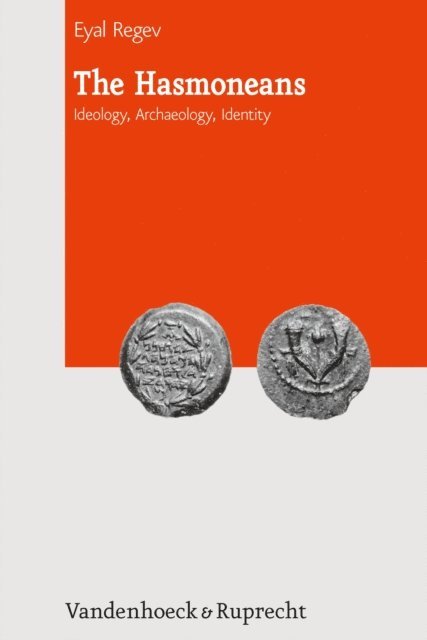
Hasmoneans
Ideology, Archaeology, Identity
Av Eyal Regev
E-bok, 2013
1433 kr
Lägg i varukorg
The first two chapters discuss the religious practices of the Hasmoneans. Chapter 1 explores why the Maccabees regarded Hanukkah as a festival of renewal, specifically of those traditions related to the Temple cult. Chapter 2 examines the manner in which the Hasmoneans used the protection and …