F. Murray Greenwood – författare
Visar alla böcker från författaren F. Murray Greenwood. Handla med fri frakt och snabb leverans.
12 produkter
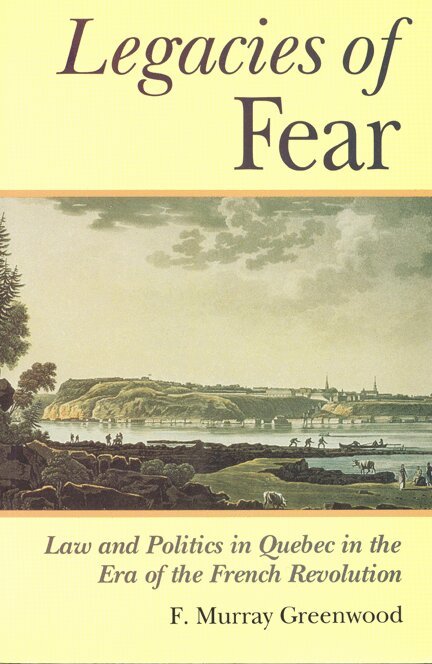
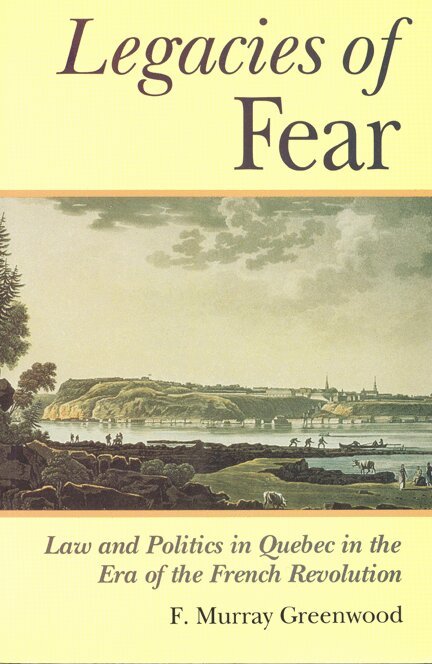
Legacies of Fear
Law and Politics in Quebec in the Era of the French Revolution
Häftad, 1993
385 kr
Lägg i varukorg
Many people assume that a French-English cleavage has always existed and historians have been uncertain as to just how it unfolded. This book provides the answer. Greenwood re-creates a Quebec in which trust between French and English Canadians was an early casualty of the execution of Louis XVI …
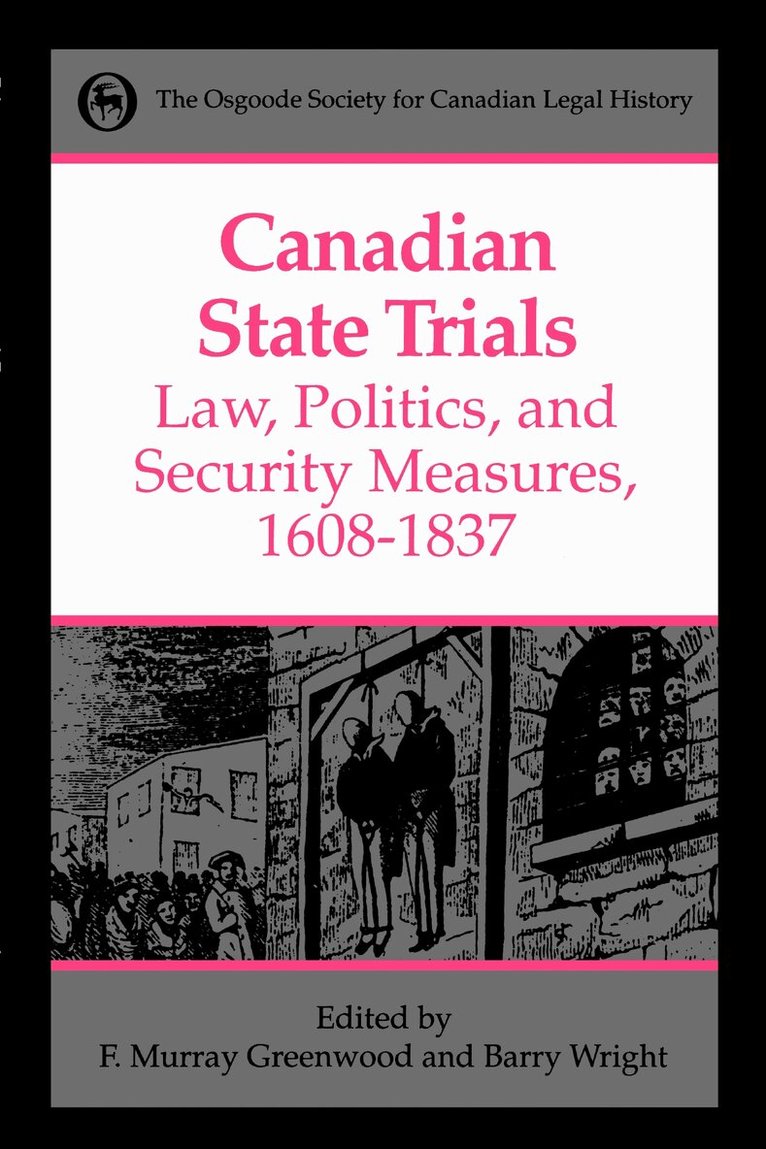
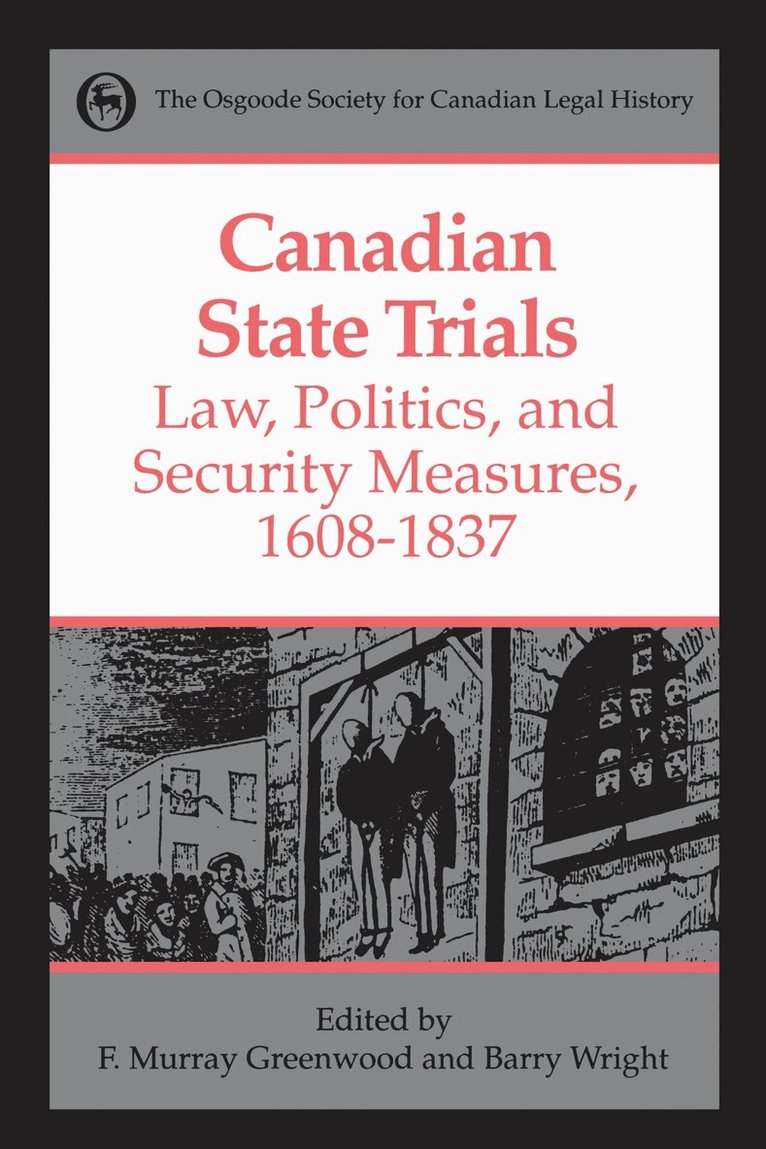
Canadian State Trials, Volume I
Law, Politics, and Security Measures, 1608-1837
Av F. Murray Greenwood, Barry Wright
Häftad, 1996
814 kr
Lägg i varukorg
]State trials reveal much about a nation's insecurities and shed light on important themes in political, constitutional, and legal history. In Canada, perceived and real threats to the state have ranged from dissent, disaffection, and the emergence of threatening ideologies to insurrection, riot, …
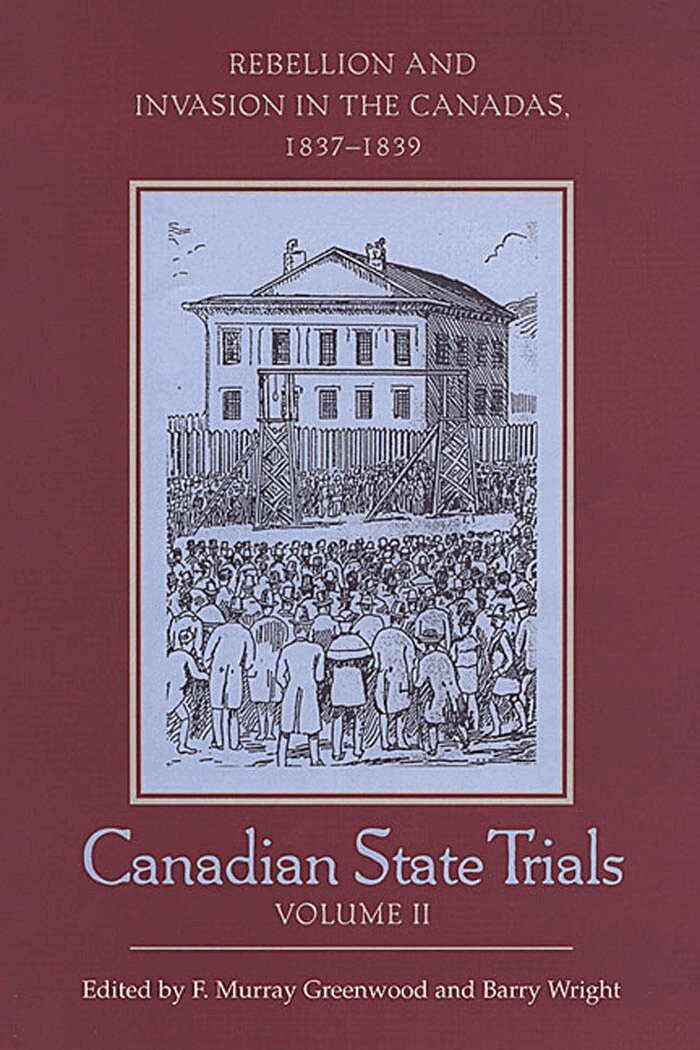
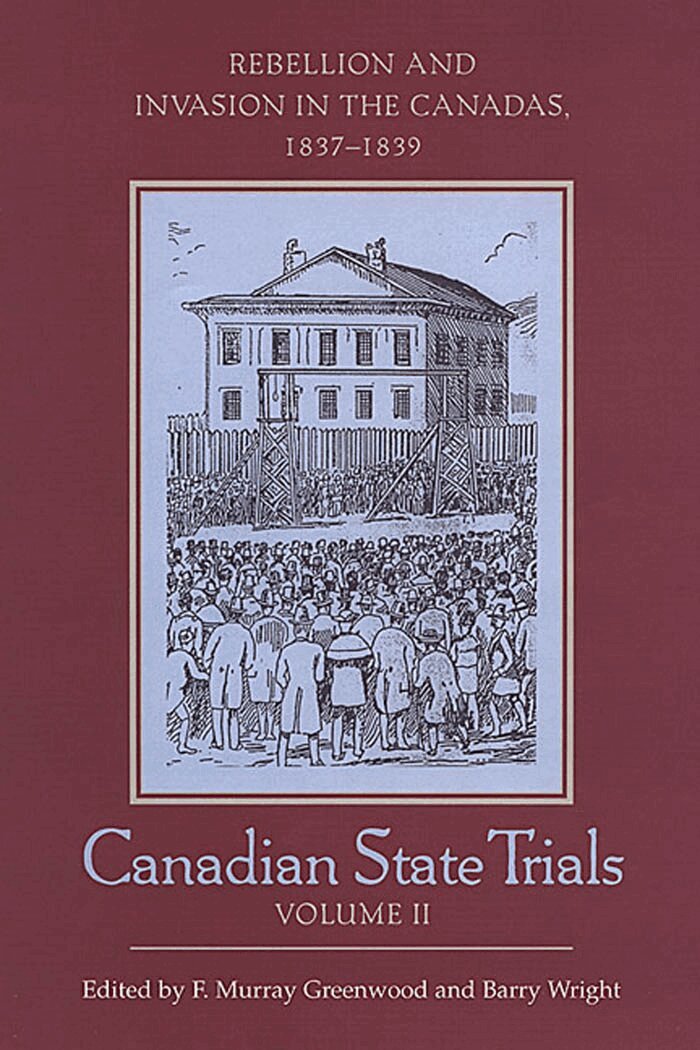
Canadian State Trials, Volume II
Rebellion and Invasion in the Canadas, 1837-1839
Av F. Murray Greenwood, Barry Wright
E-bok, 2002
554 kr
Lägg i varukorg
This second volume of the Canadian State Trials series focuses on the largest state security crisis in 19th century Canada: the rebellions of 1837-1838 and associated patriot invasions in Upper and Lower Canada (Ontario and Québec). Historians have long debated the causes and implications of the …
Legacies of Fear
Law and Politics in Quebec in the Era of the French Revolution
E-bok, 1993
493 kr
Lägg i varukorg
Many people assume that a French-English cleavage has always existed and historians have been uncertain as to just how it unfolded. This book provides the answer. Greenwood re-creates a Quebec in which trust between French and English Canadians was an early casualty of the execution of Louis XVI …
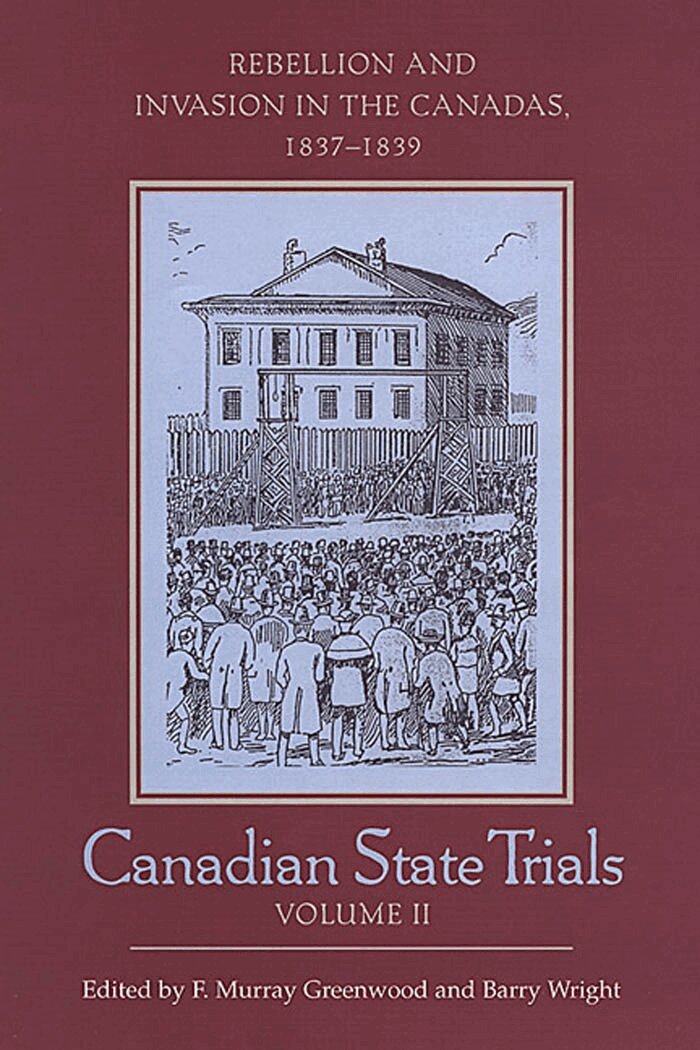
Canadian State Trials, Volume II
Rebellion and Invasion in the Canadas, 1837-1839
Av F. Murray Greenwood, Barry Wright
Häftad, 2002
484 kr
Lägg i varukorg
This second volume of the Canadian State Trials series focuses on the largest state security crisis in 19th century Canada: the rebellions of 1837-1838 and associated patriot invasions in Upper and Lower Canada (Ontario and Québec). Historians have long debated the causes and implications of the …
Canadian State Trials, Volume II
Rebellion and Invasion in the Canadas, 1837-1839
Av F. Murray Greenwood, Barry Wright
E-bok, 2002
585 kr
Lägg i varukorg
This second volume of the Canadian State Trials series focuses on the largest state security crisis in 19th century Canada: the rebellions of 1837-1838 and associated patriot invasions in Upper and Lower Canada (Ontario and Québec). Historians have long debated the causes and implications of the …
Legacies of Fear
Law and Politics in Quebec in the Era of the French Revolution
E-bok, 1993
440 kr
Lägg i varukorg
Many people assume that a French-English cleavage has always existed and historians have been uncertain as to just how it unfolded. This book provides the answer. Greenwood re-creates a Quebec in which trust between French and English Canadians was an early casualty of the execution of Louis XVI …
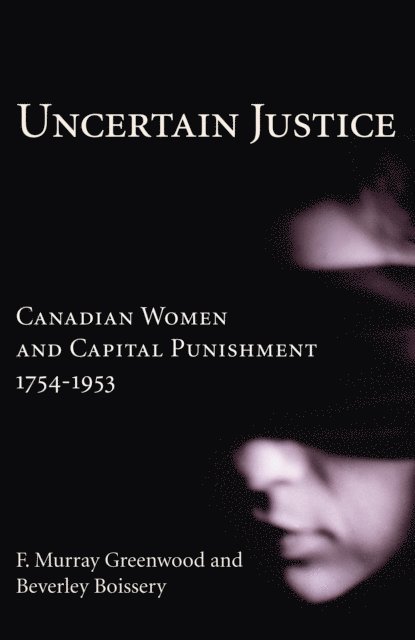
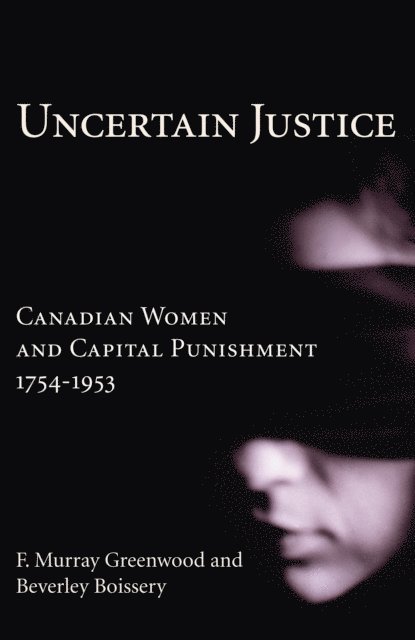
Uncertain Justice
Canadian Women and Capital Punishment, 1754-1953
Av Beverley Boissery, F. Murray Greenwood
E-bok, 2000
85 kr
Lägg i varukorg
In 1754 Eleanor Powers was hung for a murder committed during a botched robbery. She was the first woman condemned to die in Canada, but would not be the last. In Uncertain Justice , Beverley Boissery and Murray Greenwood portray a cast of women characters almost as often wronged by the law as they …
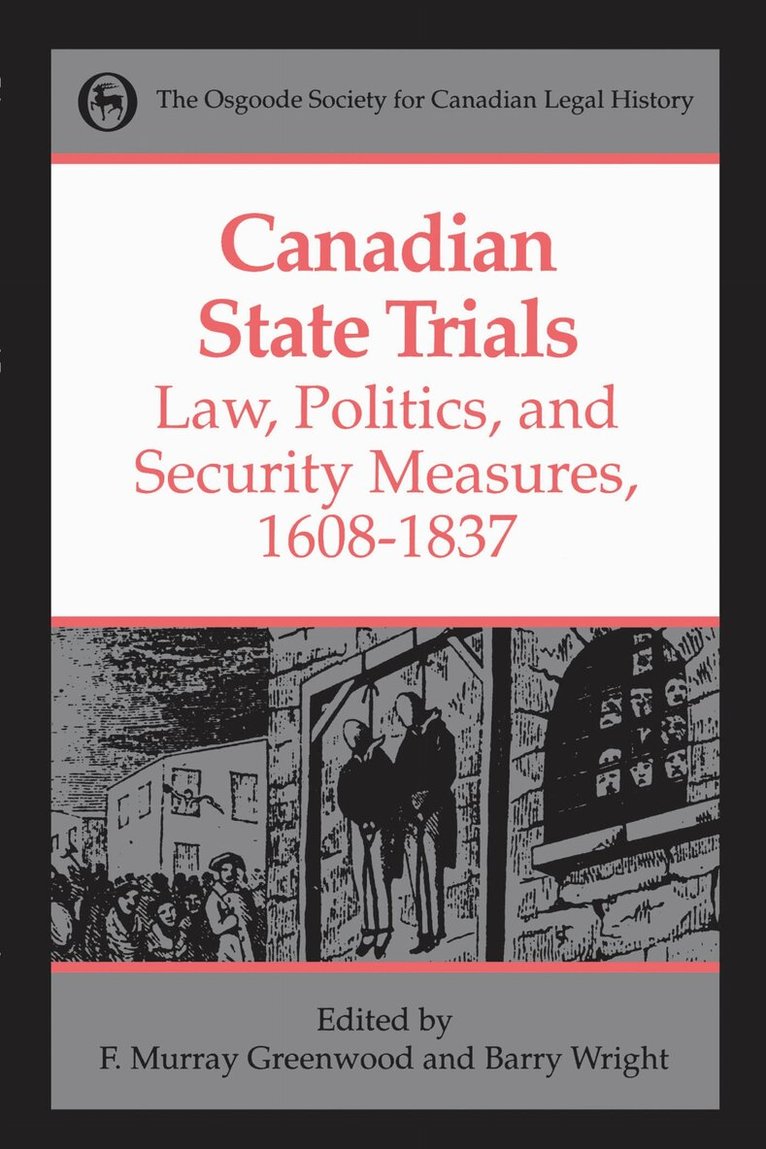
Canadian State Trials, Volume I
Law, Politics, and Security Measures, 1608-1837
Av F. Murray Greenwood, Barry Wright
E-bok, 1996
1041 kr
Lägg i varukorg
]State trials reveal much about a nation''s insecurities and shed light on important themes in political, constitutional, and legal history. In Canada, perceived and real threats to the state have ranged from dissent, disaffection, and the emergence of threatening ideologies to insurrection, riot, …
Canadian State Trials, Volume I
Law, Politics, and Security Measures, 1608-1837
Av F. Murray Greenwood, Barry Wright
E-bok, 1996
1041 kr
Lägg i varukorg
]State trials reveal much about a nation''s insecurities and shed light on important themes in political, constitutional, and legal history. In Canada, perceived and real threats to the state have ranged from dissent, disaffection, and the emergence of threatening ideologies to insurrection, riot, …
Uncertain Justice
Canadian Women and Capital Punishment, 1754-1953
Av Beverley Boissery, F. Murray Greenwood
E-bok, 2000
165 kr
Lägg i varukorg
In 1754 Eleanor Powers was hung for a murder committed during a botched robbery. She was the first woman condemned to die in Canada, but would not be the last. In Uncertain Justice , Beverley Boissery and Murray Greenwood portray a cast of women characters almost as often wronged by the law as they …
Uncertain Justice
Canadian Women and Capital Punishment, 1754-1953
Av F. Murray Greenwood, Beverley Boissery
Häftad, 2000
155 kr
Tillfälligt slut