F. Vernadat – författare
Visar alla böcker från författaren F. Vernadat. Handla med fri frakt och snabb leverans.
7 produkter
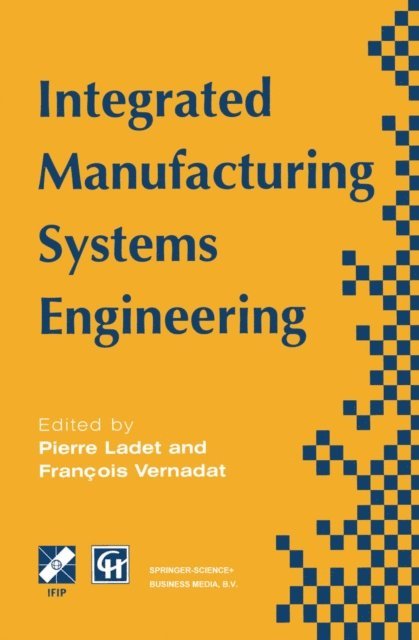
Integrated Manufacturing Systems Engineering
E-bok, 2013
1459 kr
Lägg i varukorg
Modern manufacturing systems must be engineered as any other complex systems, especially in the context of their integration. The book first presents the all-embracing concept of the Extended Enterprise as way of inter-enterprise integration. It then focusses on Enterprise Engineering methods and …
Enterprise Modeling and Integration
Av F. Vernadat
Inbunden, 1996
2184 kr
Lägg i varukorg
This book combines the two methodologies of enterprise modeling and enterprise integration and advocates a systematic engineering approach called Enterprise Engineering, for modeling, analysing, designing and implementing integrated enterprise systems. Three main themes are explored in this book. …
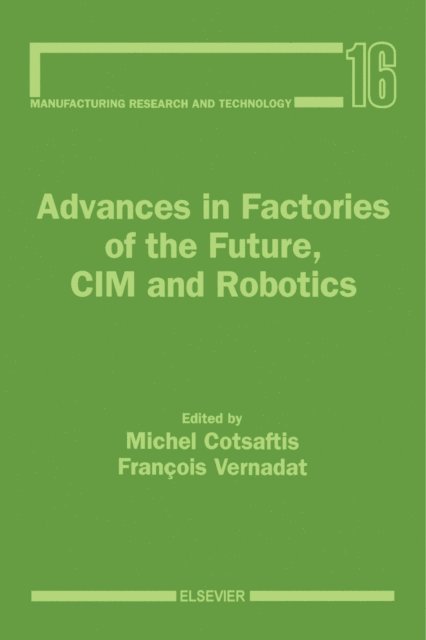
Advances in Factories of the Future, CIM and Robotics
E-bok, 2013
1023 kr
Lägg i varukorg
Productivity enhancement is a major concern for all manufacturing enterprises. Productivity enhancement can be achieved in many ways and many facets of its problems have been investigated over the last decades. A number of methods, tools and technologies have emerged to efficiently increase …
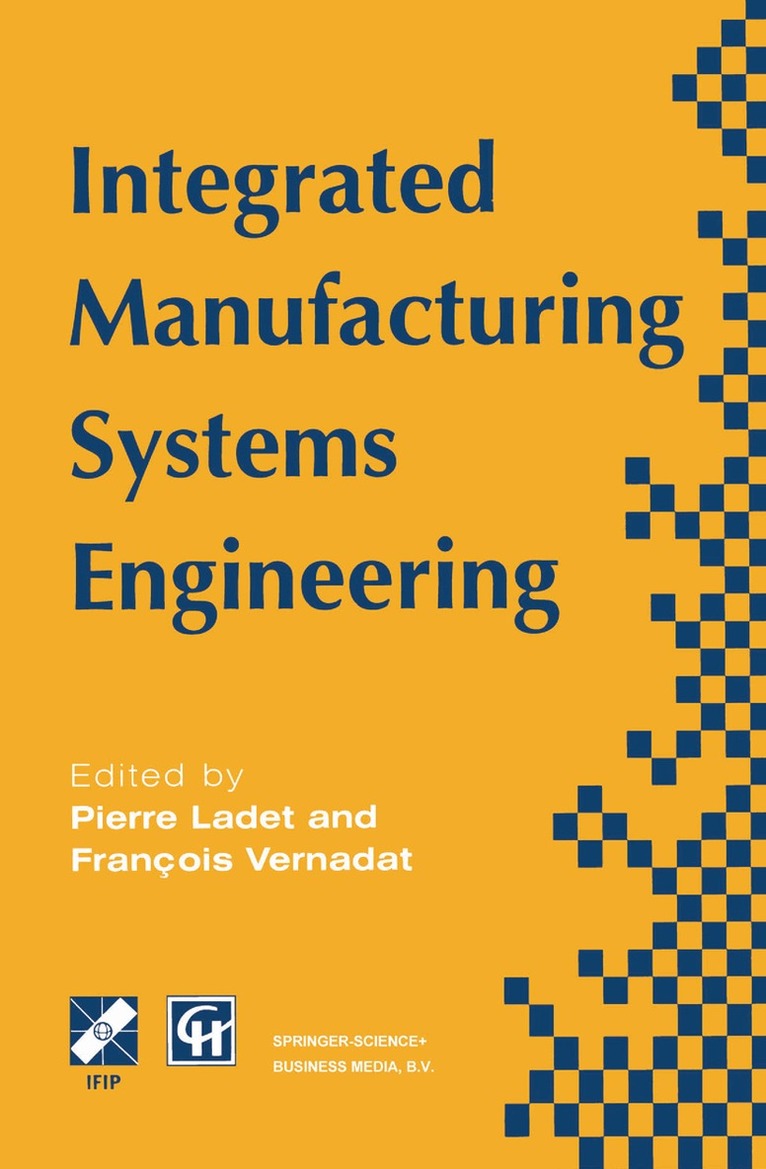
Integrated Manufacturing Systems Engineering
Häftad, 2013
1098 kr
Lägg i varukorg
Modern manufacturing systems must be engineered as any other complex systems, especially in the context of their integration. The book first presents the all-embracing concept of the Extended Enterprise as way of inter-enterprise integration. It then focusses on Enterprise Engineering methods and …
Practice of Petri Nets in Manufacturing
Av F. Vernadat, Manuel Silva-Suarez m. fl.
E-bok, 2012
1785 kr
Lägg i varukorg
M. Silva Significant changes have been occurring in industrialized countries since the Second World War. Production is moving towards sophisticated high qUality products, economy of scale has been replaced by economy of scope, jerky demands are progressively replacing steady demands, and competi …
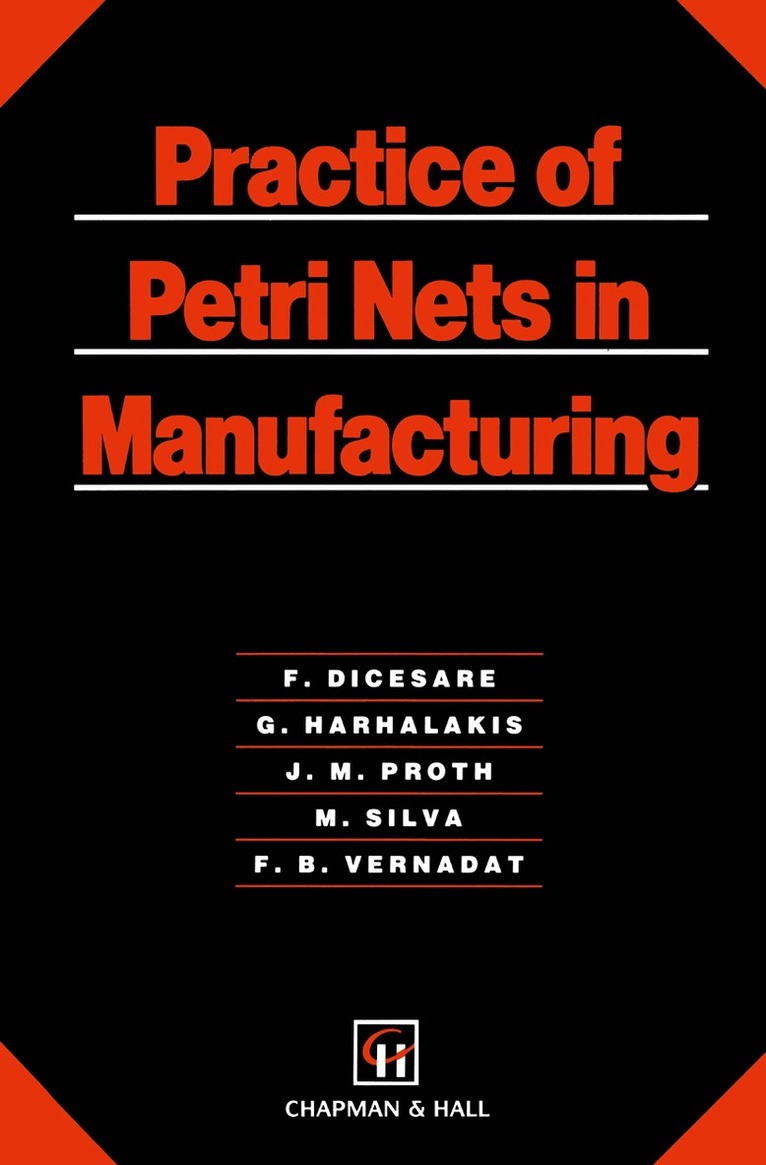
Practice of Petri Nets in Manufacturing
Av F. Dicesare, George Harhalakis m. fl.
Häftad, 2012
1316 kr
Lägg i varukorg
M. Silva Significant changes have been occurring in industrialized countries since the Second World War. Production is moving towards sophisticated high qUality products, economy of scale has been replaced by economy of scope, jerky demands are progressively replacing steady demands, and competi …