FAAN Marquis D. Foreman, PhD, RN – författare
1 328 kr
Läs direkt efter köp
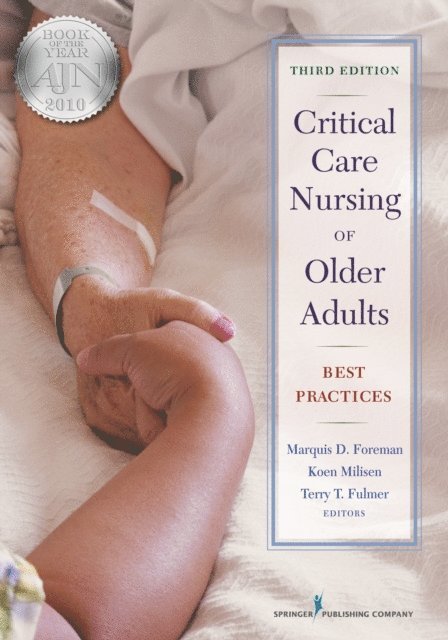
2010 AJN Book of the Year Award Winner in Critical Care--Emergency Nursing!
Designated a Doody''s Core Title!
"This evidence-based book is an excellent reference for ensuring high-quality management of the elderly and of their particular needs in the critical care setting."
--AJN
"[This] book''s contents run the gamut of elder problems and care: physiology, pharmacology, nutrition, restraints, substance abuse....it is a compendium that can be used as a text or a resource."
--Claire M. Fagin, PhD, RN, FAAN (From the Foreword)
This book is an evidence-based, best-practices guide that directs the bedside care of critically ill elders. The book serves as a reference on major clinical issues for nurses working at the forefront of care-from nurses in critical care and step-down units to those in trauma and emergency departments. Nurse educators at all degree levels will also find this book to be useful as a textbook and resource for students.
The authors provide evidence-based, practical guidelines for both the complex clinical and management aspects of care. The book offers comprehensive coverage of all the issues caregivers need to be up to date on, including the standards of practice for geriatric care, new technologies, pharmacotherapy, pain management issues, ethical issues, and much more.
Key topics discussed:
Strategies for patient safety for older patients in the intensive care setting Family responses to critical care of the older adult Infection, sepsis, and immune function Understanding and managing sleep disorders in older patients in the ICU Heart failure in the critically ill older patient Substance abuse and withdrawal in elderly patients1 212 kr
Läs direkt efter köp
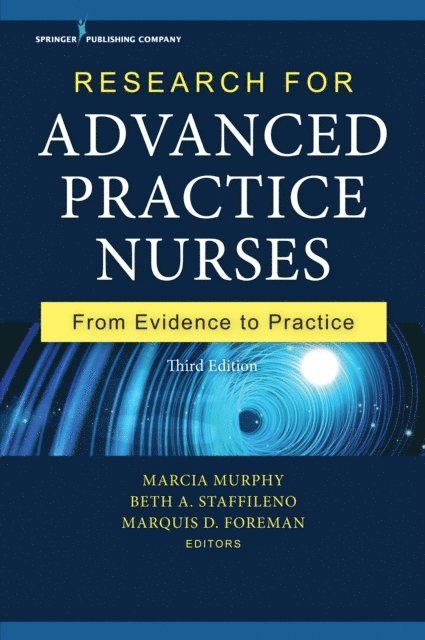
The third edition of this award-winning text delivers a full treasury of tools graduate nursing students and Advanced Practice Registered Nurses (APRNs) need to translate clinical research into practice. In the current healthcare landscape, APRNs are challenged to provide patient-centered care that is effective, safe, efficient, equitable and evidenced-based. Building knowledge and skills in Evidenced-Based Practice (EBP) is imperative to successfully meet this challenge and improve patient outcomes.
The third edition describes essential ways to implement EBP in clinical practice, including how to search for and evaluate various forms of evidence, design questionnaires and data collection forms, and how to analyze qualitative and quantitative data. With guidelines for evaluating research articles and a variety of EBP activities and protocols, chapters show how to integrate EBP into multiple clinical settings suitable for all APRN areas of practice. Using step-by-step instruction, chapters walk through finding relevant evidence, appraising evidence, and translating evidence into practice to improve patient care and outcomes. The authors continue the great work of Magdalena Mateo, who created the original work upon which this is based.
New to the Third Edition:
Updates content from the second editionExpands information about practice scholarshipProvides new strategies for program evaluationDescribes Frameworks for implementation science and EBPOffers practical steps and tools for seeking, appraising, and applying evidence into practiceKey Features:
Integrates EBP concepts related to patient care throughoutIdentifies the requisite knowledge and skills for practice scholarshipDescribes practical strategies and tools for seeking, appraising and applying evidence into practiceIntegrates clinically relevant examples that highlight the application of evidence into practice to improve outcomes1 299 kr
Läs direkt efter köp
"This book should provide graduate nursing students with the knowledge to evaluate research evidence and use it in practice. With the increasing focus on EBP, this book should serve as a useful resource." Score: 100, 5 stars.--Doody''s
"This book would be useful for both graduate nursing students and practicing nurses."--Doody''s Medical Reviews
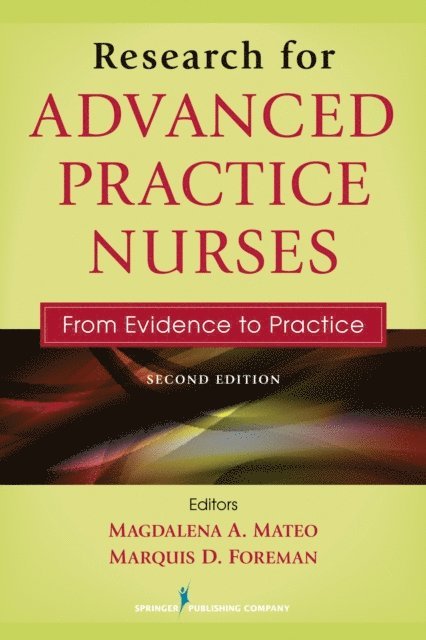
The second edition of this award-winning reference on formulating, achieving, and sustaining evidence-based practice (EBP) through clinical research updates all prior content and includes two new chapters on establishing and sustaining an evidence-based practice and environment, and how a research question drives the selection of research design, measurement, and analysis. Also featured are cutting-edge discussions of translational science and interprofessional research plus the contributions of several new authors.
Designed for use by graduate students, clinical administrators, and managers and in DNP programs and in-service education, the text offers practical methods to translate evidence into practice by effectively using and appraising clinical studies. It presents research concepts in a clear, conversational tone and addresses the most current knowledge about how nurses can learn to formulate and achieve EBP as clinicians. From a single study to a meta-analysis, EBP concepts related to patient care are integrated throughout. Clinically relevant examples present ways students and staff can apply knowledge to daily clinical practice through the development, implementation, and evaluation of clinical protocols. Text boxes and web references reinforce information. Taken together, the content of the Second Edition will help the nursing profession in its move toward the forefront of institutional management, research, policy decisions, and ethical considerationsóall to enhance safe patient care and health. The book also includes interactive PDF with fill-in, reusable templates, and is available in enhanced eBook format that includes audio/video Q & A.
New to the Second Edition:Presents new content on translational science and inter-professional research. Updates all content from the first edition. Includes two new chapters on establishing and sustaining EBT and how a research question drives the selection of a research design, measurement and analysis. Presents the contributions of several new authors. Features psychosocial and physical data collection and analysis methods. Includes guidelines on evaluating research articles, including ethical components. Suggests strategies for establishing and sustaining an organizational evidence-based practice. Presents primary ways of evaluating cost as a dimension of evidence-based practice. Offers appendices with evidence-based practice activities and protocols, and a resource list of relevant websites.Features interactive PDF with fill-in, reusable templates. Available as enhanced eBook that includes audio/video Q & A