Fabio Dercole – författare
Visar alla böcker från författaren Fabio Dercole. Handla med fri frakt och snabb leverans.
6 produkter
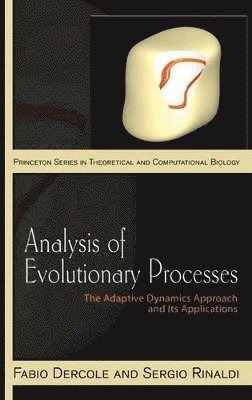
Analysis of Evolutionary Processes
The Adaptive Dynamics Approach and Its Applications
Av Fabio Dercole, Sergio Rinaldi
Inbunden, 2008
1269 kr
Lägg i varukorg
Quantitative approaches to evolutionary biology traditionally consider evolutionary change in isolation from an important pressure in natural selection: the demography of coevolving populations. In Analysis of Evolutionary Processes, Fabio Dercole and Sergio Rinaldi have written the first …
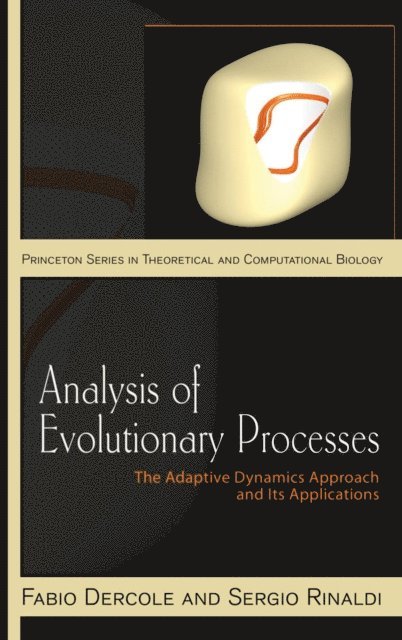
Analysis of Evolutionary Processes
The Adaptive Dynamics Approach and Its Applications
Av Sergio Rinaldi, Fabio Dercole
E-bok, 2008
1716 kr
Lägg i varukorg
Quantitative approaches to evolutionary biology traditionally consider evolutionary change in isolation from an important pressure in natural selection: the demography of coevolving populations. In Analysis of Evolutionary Processes , Fabio Dercole and Sergio Rinaldi have written the first …
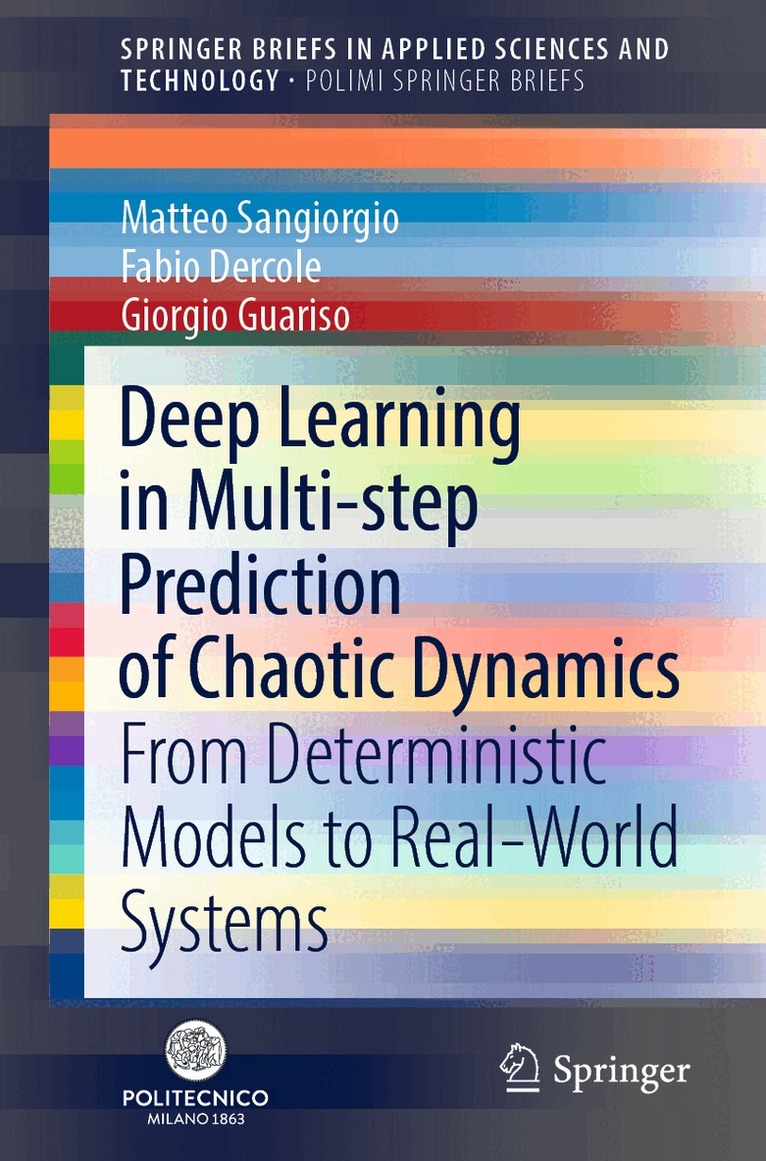
Deep Learning in Multi-step Prediction of Chaotic Dynamics
From Deterministic Models to Real-World Systems
Av Matteo Sangiorgio, Fabio Dercole m. fl.
Häftad, 2022
607 kr
Lägg i varukorg
The book represents the first attempt to systematically deal with the use of deep neural networks to forecast chaotic time series. Differently from most of the current literature, it implements a multi-step approach, i.e., the forecast of an entire interval of future values. This is relevant for …
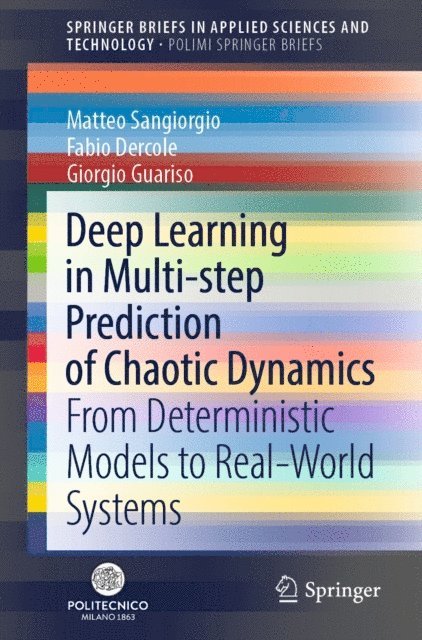
Deep Learning in Multi-step Prediction of Chaotic Dynamics
From Deterministic Models to Real-World Systems
Av Giorgio Guariso, Fabio Dercole m. fl.
E-bok, 2022
797 kr
Lägg i varukorg
The book represents the first attempt to systematically deal with the use of deep neural networks to forecast chaotic time series. Differently from most of the current literature, it implements a multi-step approach, i.e., the forecast of an entire interval of future values. This is relevant for …
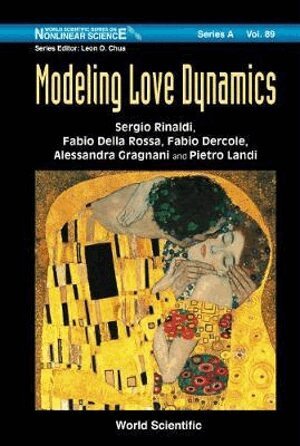
MODELING LOVE DYNAMICS
Av Sergio Rinaldi, Fabio Della Rossa m. fl.
Häftad, 2015
653 kr
Lägg i varukorg
This book shows, for the very first time, how love stories — a vital issue in our lives — can be tentatively described with classical mathematics. Focus is on the derivation and analysis of reliable models that allow one to formally describe the expected evolution of love affairs from the initial …
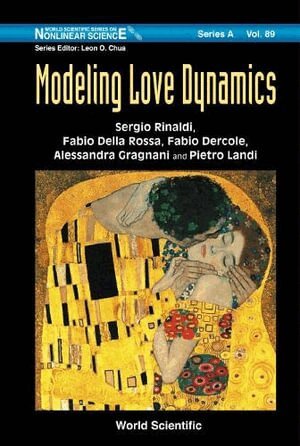
MODELING LOVE DYNAMICS
Av Sergio Rinaldi, Fabio Della Rossa m. fl.
Inbunden, 2015
1514 kr
Lägg i varukorg
This book shows, for the very first time, how love stories — a vital issue in our lives — can be tentatively described with classical mathematics. Focus is on the derivation and analysis of reliable models that allow one to formally describe the expected evolution of love affairs from the initial …