Fabio D'Orlando - Böcker
Visar alla böcker från författaren Fabio D'Orlando. Handla med fri frakt och snabb leverans.
4 produkter
4 produkter
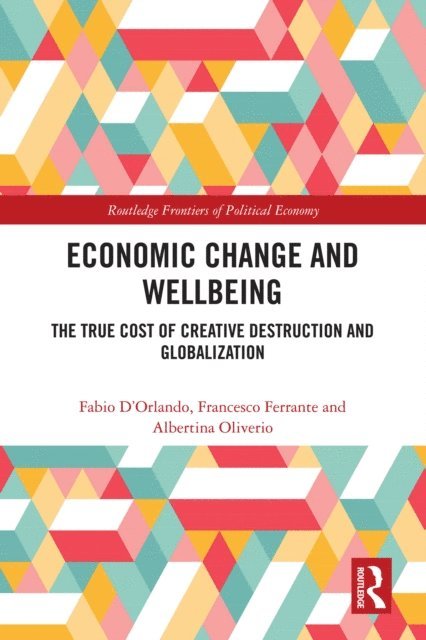
Economic Change and Wellbeing
The True Cost of Creative Destruction and Globalization
Inbunden, Engelska, 2021
2 030 kr
Skickas inom 10-15 vardagar
Technological progress and globalization have generated indisputable benefits, but also relevant costs, such as growing economic inequality, economic fluctuations, and financial instability. Mainstream economics has usually considered these costs as temporary, evenly distributed, and more than compensated by the gains of the phases of economic expansion. In this book, which focuses mainly (though not only) on the labor market, the authors contend that the major costs of the intensified process of creative destruction, through which economic change proceeded, have been ignored and the benefits overrated, thus incorrectly estimating the net impact of economic growth on subjective wellbeing. The book argues that the positive consequences of economic change and globalization may not compensate for the negatives, because psychological losses are felt more strongly than gains (due to loss aversion) and the costs are unequally distributed (those on low incomes disproportionately suffer more). The result is an overall reduction in wellbeing and therefore appropriate policies are necessary to allow more people to enjoy the benefits of technological progress without suffering the costs. The authors develop a comprehensive framework in which the socio-psychological context and educational level of a community determine the most suitable policies both for the short and for the long run. The book makes an invaluable contribution to the literature on economic growth and development, labor economics, the economics of wellbeing, and applications of behavioral economics.The readers that may be interested in this book are economists and other social scientists, but also general readers, since the analysis is maintained simple and accessible. University teachers can use the book for courses on economic growth and development, on labor economics, on the economics of human capital, on the economics of wellbeing, and on applications of behavioral economics.
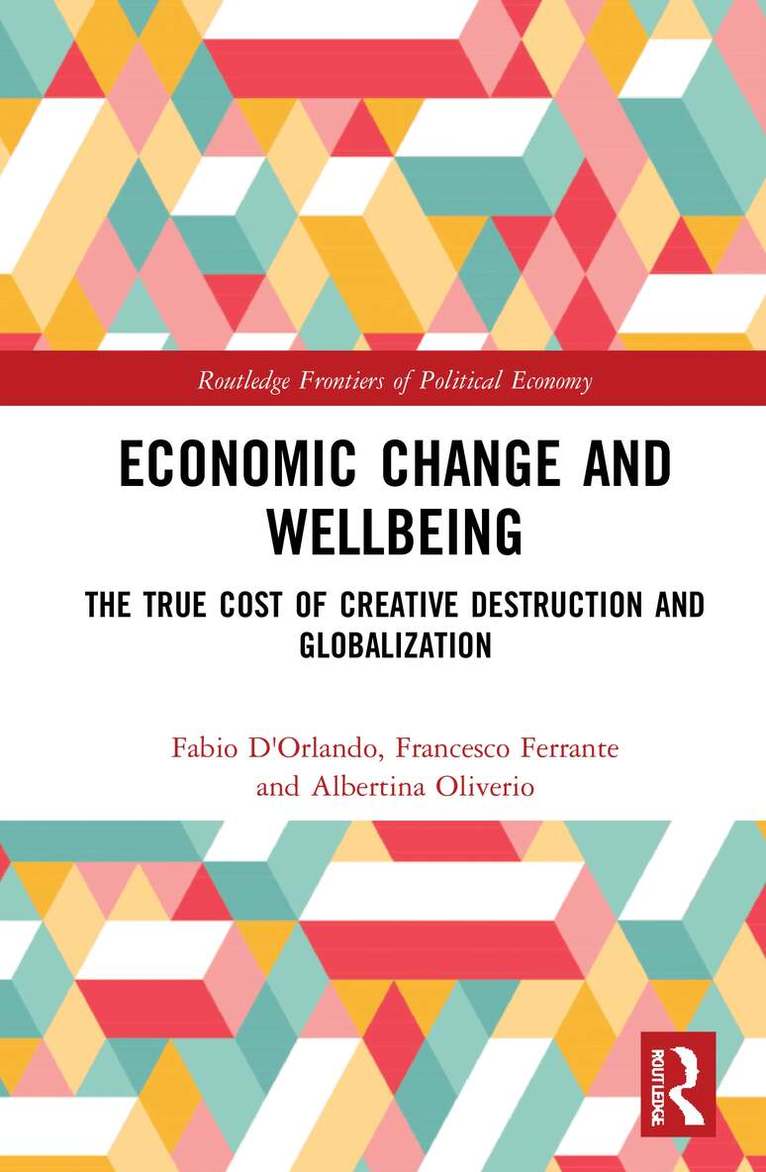
Economic Change and Wellbeing
The True Cost of Creative Destruction and Globalization
Häftad, Engelska, 2023
635 kr
Skickas inom 10-15 vardagar
Technological progress and globalization have generated indisputable benefits, but also relevant costs, such as growing economic inequality, economic fluctuations, and financial instability. Mainstream economics has usually considered these costs as temporary, evenly distributed, and more than compensated by the gains of the phases of economic expansion. In this book, which focuses mainly (though not only) on the labor market, the authors contend that the major costs of the intensified process of creative destruction, through which economic change proceeded, have been ignored and the benefits overrated, thus incorrectly estimating the net impact of economic growth on subjective wellbeing. The book argues that the positive consequences of economic change and globalization may not compensate for the negatives, because psychological losses are felt more strongly than gains (due to loss aversion) and the costs are unequally distributed (those on low incomes disproportionately suffer more). The result is an overall reduction in wellbeing and therefore appropriate policies are necessary to allow more people to enjoy the benefits of technological progress without suffering the costs. The authors develop a comprehensive framework in which the socio-psychological context and educational level of a community determine the most suitable policies both for the short and for the long run. The book makes an invaluable contribution to the literature on economic growth and development, labor economics, the economics of wellbeing, and applications of behavioral economics.The readers that may be interested in this book are economists and other social scientists, but also general readers, since the analysis is maintained simple and accessible. University teachers can use the book for courses on economic growth and development, on labor economics, on the economics of human capital, on the economics of wellbeing, and on applications of behavioral economics.
2 088 kr
Skickas inom 10-15 vardagar
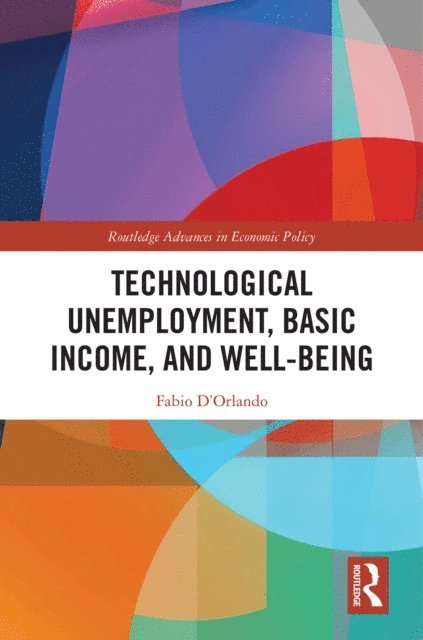
The main novelty of the Fourth Industrial Revolution is the entry of robots and Artificial Intelligence into the production process. This phenomenon could potentially generate high levels of unemployment, or even full unemployment, and therefore calls for innovative public policies.This book adopts an agnostic position on the size of the future impact of technological progress on employment but proposes a thought experiment built on a full unemployment scenario, which focuses on the consequences that these policies might have for people’s well-being, with particular reference to the provision of a universal Basic Income (UBI). Relying on some of the principles and models of Behavioral and Happiness Economics, it is argued that implementing a UBI that does not change over time may increase well-being inequality. A policy mix that combines a rising basic income with other measures is therefore recommended.This book marks a significant contribution to the literature on economic policy, labor economics, the economics of well-being and happiness, and behavioral economics.
576 kr
Skickas inom 10-15 vardagar
The main novelty of the Fourth Industrial Revolution is the entry of robots and Artificial Intelligence into the production process. This phenomenon could potentially generate high levels of unemployment, or even full unemployment, and therefore calls for innovative public policies.This book adopts an agnostic position on the size of the future impact of technological progress on employment but proposes a thought experiment built on a full unemployment scenario, which focuses on the consequences that these policies might have for people’s well-being, with particular reference to the provision of a universal Basic Income (UBI). Relying on some of the principles and models of Behavioral and Happiness Economics, it is argued that implementing a UBI that does not change over time may increase well-being inequality. A policy mix that combines a rising basic income with other measures is therefore recommended.This book marks a significant contribution to the literature on economic policy, labor economics, the economics of well-being and happiness, and behavioral economics.