Fahui Wang – författare
Visar alla böcker från författaren Fahui Wang. Handla med fri frakt och snabb leverans.
11 produkter
11 produkter
912 kr
Skickas inom 10-15 vardagar
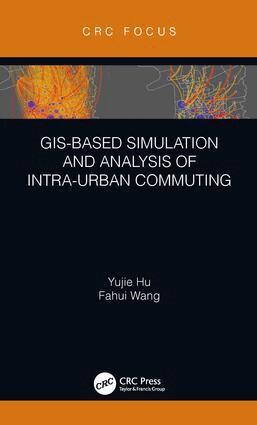
Commuting, the daily link between residences and workplaces, sets up the complex interaction between the two most important land uses (residential and employment) in a city, and dictates the configuration of urban structure. In addition to prolonged time and stress for individual commuters on traffic, commuting comes with additional societal costs including elevated crash risks, worsening air quality, and louder traffic noise, etc. These issues are important to city planners, policy researchers, and decision makers.GIS-Based Simulation and Analysis of Intra-Urban Commuting, presents GIS-based simulation, optimization and statistical approaches to measure, map, analyze, and explain commuting patterns including commuting length and efficiency. Several GIS-automated easy-to-use tools will be available, along with sample data, for readers to download and apply to their own studies.This book recognizes that reporting errors from survey data and use of aggregated zonal data are two sources of bias in estimation of wasteful commuting, it studies the temporal trend of intraurban commuting pattern based on the most recent period newly-available 2006-2010, and it focuses on commuting, and especially wasteful commuting within US cities. It includes ready-to-download GIS-based simulation tools and sample data, and an explanation of optimization and statistical techniques of how to measure commuting, as well as presenting a methodology that can be applicable to other studies.This book is an invaluable resource for students, researchers, and practitioners in geography, urban planning, public policy, transportation engineering, and other related disciplines.
1 447 kr
Skickas inom 10-15 vardagar
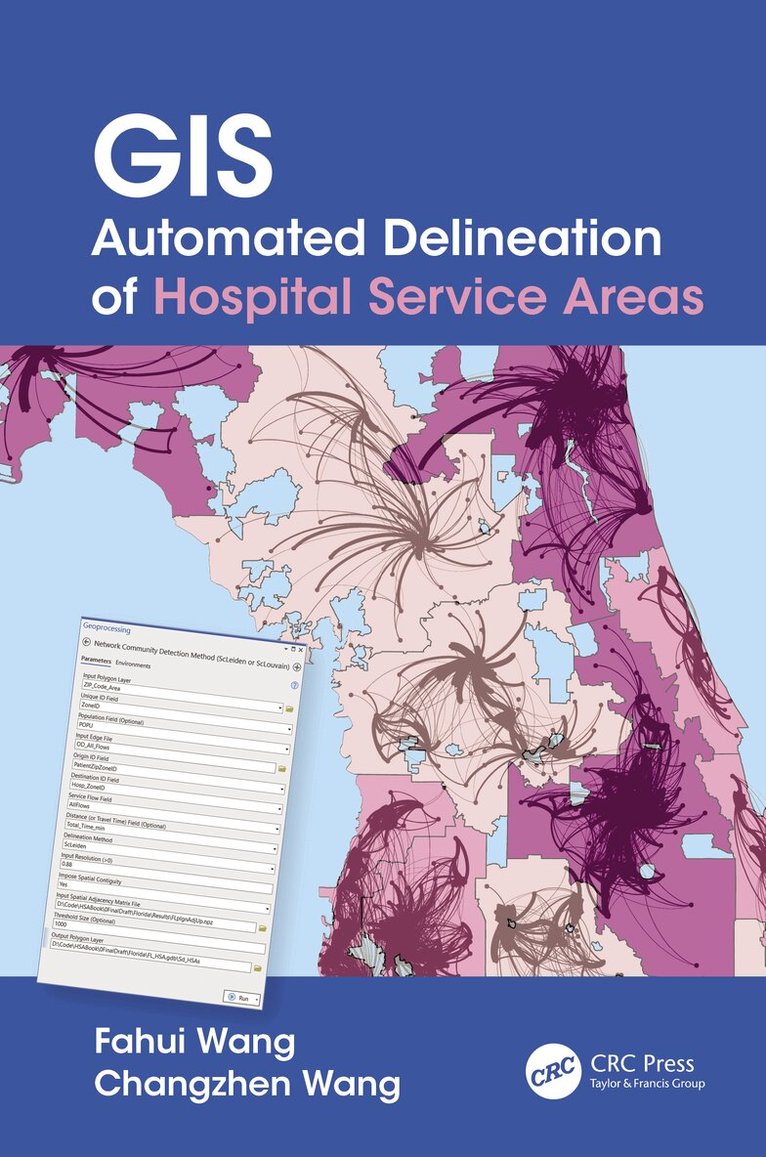
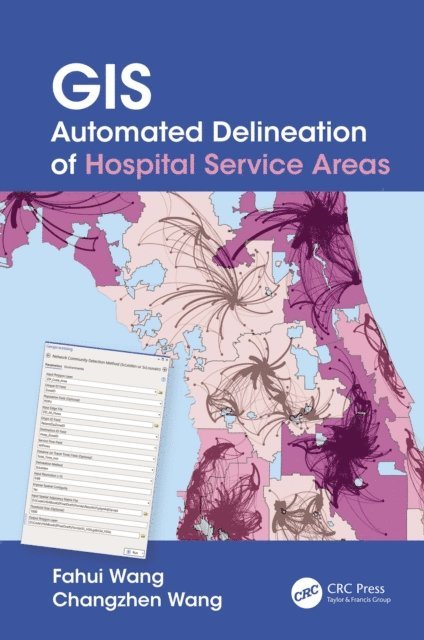
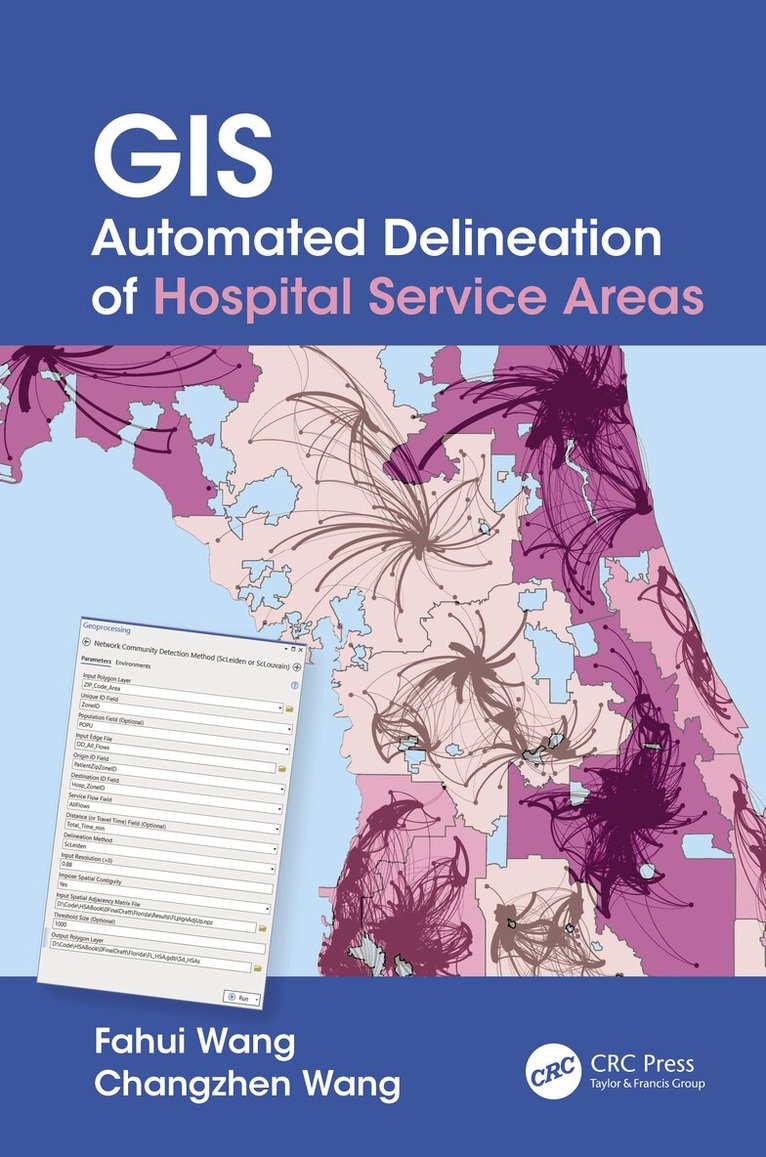
Hospital service areas (HSAs) and hospital referral regions (HRRs) are considered more appropriate units than geopolitical units for analyzing the performance of health care markets and policy implementation. GIS Automated Delineation of Hospital Service Areas represents the state-of-the-art approach in delineating HSAs and HRRs by using GIS-automated processes. It provides the best practices for defining such areas scientifically, in a geographically accurate manner, and without a steep learning curve. This book is intended to mainly serve professionals in geography, urban and regional planning, public health, and related fields. It is also useful for scholars in the above fields who have research interests related to GIS and spatial analysis applications in health care. It can be used as a supplemental text for upper-level undergraduate and graduate students in courses related to GIS and public health.Features: Introduces innovative state-of-the-art methods for delineation of HSAs (Dartmouth method, Huff model, network community detection methods) Provides best practices and one-stop solution for related data processing tasks (e.g., distance and travel time estimation, identifying the best-fitting distance decay function) Automates the methods in ArcGIS Pro toolkits Includes free ready-to-download GIS tools and sample data available on authors’ website Presents a methodology that is applicable to delineation of other service areas, catchment areas or functional regions for business analysis, planning, and public policy studies
350 kr
Skickas inom 10-15 vardagar
Commuting, the daily link between residences and workplaces, sets up the complex interaction between the two most important land uses (residential and employment) in a city, and dictates the configuration of urban structure. In addition to prolonged time and stress for individual commuters on traffic, commuting comes with additional societal costs including elevated crash risks, worsening air quality, and louder traffic noise, etc. These issues are important to city planners, policy researchers, and decision makers.GIS-Based Simulation and Analysis of Intra-Urban Commuting, presents GIS-based simulation, optimization and statistical approaches to measure, map, analyze, and explain commuting patterns including commuting length and efficiency. Several GIS-automated easy-to-use tools will be available, along with sample data, for readers to download and apply to their own studies.This book recognizes that reporting errors from survey data and use of aggregated zonal data are two sources of bias in estimation of wasteful commuting, it studies the temporal trend of intraurban commuting pattern based on the most recent period newly-available 2006-2010, and it focuses on commuting, and especially wasteful commuting within US cities. It includes ready-to-download GIS-based simulation tools and sample data, and an explanation of optimization and statistical techniques of how to measure commuting, as well as presenting a methodology that can be applicable to other studies.This book is an invaluable resource for students, researchers, and practitioners in geography, urban planning, public policy, transportation engineering, and other related disciplines.
625 kr
Skickas inom 10-15 vardagar
Hospital service areas (HSAs) and hospital referral regions (HRRs) are considered more appropriate units than geopolitical units for analyzing the performance of health care markets and policy implementation. GIS Automated Delineation of Hospital Service Areas represents the state-of-the-art approach in delineating HSAs and HRRs by using GIS-automated processes. It provides the best practices for defining such areas scientifically, in a geographically accurate manner, and without a steep learning curve. This book is intended to mainly serve professionals in geography, urban and regional planning, public health, and related fields. It is also useful for scholars in the above fields who have research interests related to GIS and spatial analysis applications in health care. It can be used as a supplemental text for upper-level undergraduate and graduate students in courses related to GIS and public health.Features: Introduces innovative state-of-the-art methods for delineation of HSAs (Dartmouth method, Huff model, network community detection methods) Provides best practices and one-stop solution for related data processing tasks (e.g., distance and travel time estimation, identifying the best-fitting distance decay function) Automates the methods in ArcGIS Pro toolkits Includes free ready-to-download GIS tools and sample data available on authors’ website Presents a methodology that is applicable to delineation of other service areas, catchment areas or functional regions for business analysis, planning, and public policy studies
1 721 kr
Skickas inom 10-15 vardagar
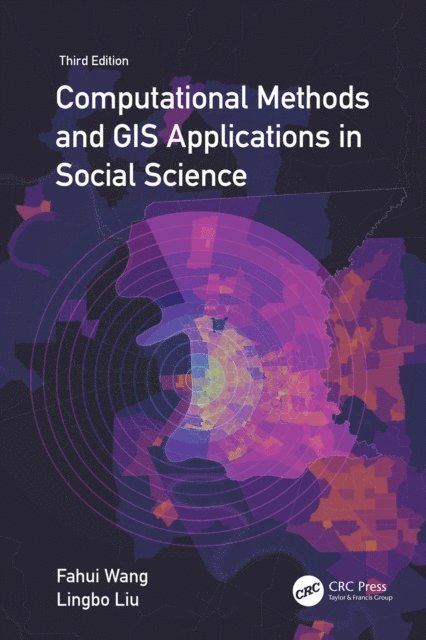
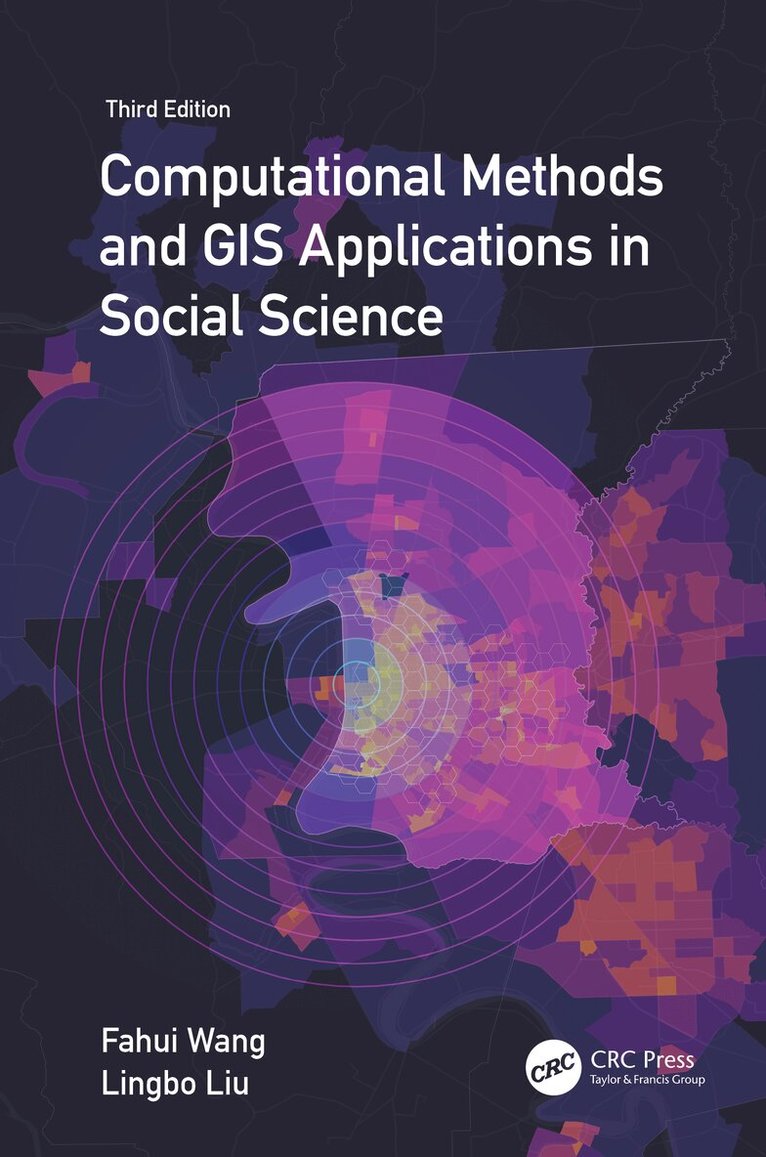
This textbook integrates GIS, spatial analysis, and computational methods for solving real-world problems in various policy-relevant social science applications. Thoroughly updated, the third edition showcases the best practices of computational spatial social science and includes numerous case studies with step-by-step instructions in ArcGIS Pro and open-source platform KNIME. Readers sharpen their GIS skills by applying GIS techniques in detecting crime hotspots, measuring accessibility of primary care physicians, forecasting the impact of hospital closures on local community, or siting the best locations for business.FEATURES Fully updated using the latest version of ArcGIS Pro and open-source platform KNIME Features two brand-new chapters on agent-based modeling and big data analytics Provides newly automated tools for regionalization, functional region delineation, accessibility measures, planning for maximum equality in accessibility, and agent-based crime simulation Includes many compelling examples and real-world case studies related to social science, urban planning, and public policy Provides a website for downloading data and programs for implementing all case studies included in the book and the KNIME lab manualIntended for students taking upper-level undergraduate and graduate-level courses in quantitative geography, spatial analysis, and GIS applications, as well as researchers and professionals in fields such as geography, city and regional planning, crime analysis, public health, and public administration.
569 kr
Skickas inom 10-15 vardagar
This textbook integrates GIS, spatial analysis, and computational methods for solving real-world problems in various policy-relevant social science applications. Thoroughly updated, the third edition showcases the best practices of computational spatial social science and includes numerous case studies with step-by-step instructions in ArcGIS Pro and open-source platform KNIME. Readers sharpen their GIS skills by applying GIS techniques in detecting crime hotspots, measuring accessibility of primary care physicians, forecasting the impact of hospital closures on local community, or siting the best locations for business.FEATURES Fully updated using the latest version of ArcGIS Pro and open-source platform KNIME Features two brand-new chapters on agent-based modeling and big data analytics Provides newly automated tools for regionalization, functional region delineation, accessibility measures, planning for maximum equality in accessibility, and agent-based crime simulation Includes many compelling examples and real-world case studies related to social science, urban planning, and public policy Provides a website for downloading data and programs for implementing all case studies included in the book and the KNIME lab manualIntended for students taking upper-level undergraduate and graduate-level courses in quantitative geography, spatial analysis, and GIS applications, as well as researchers and professionals in fields such as geography, city and regional planning, crime analysis, public health, and public administration.
2 407 kr
Skickas inom 10-15 vardagar
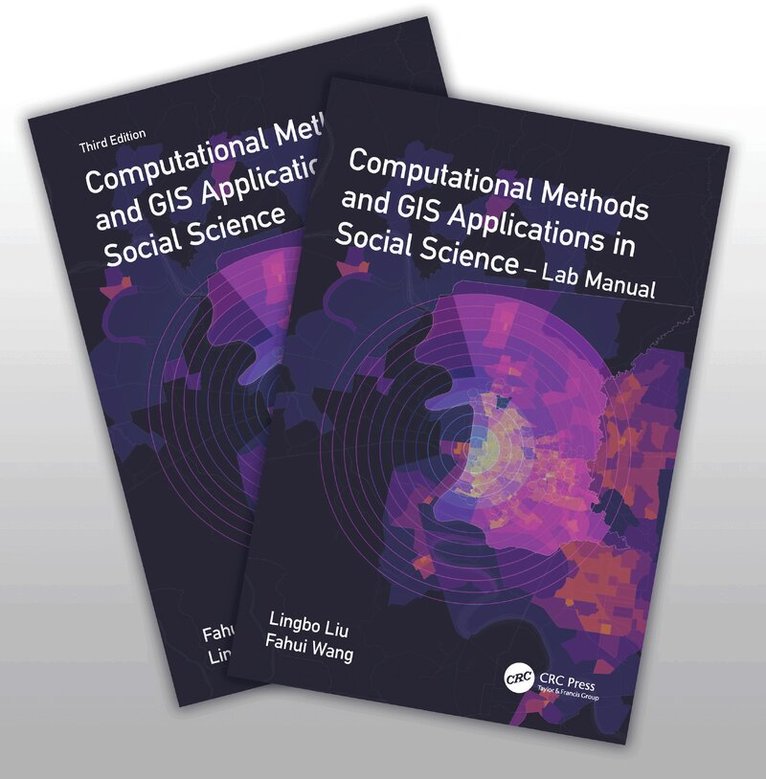
This set includes the third edition of Computational Methods and GIS in Social Science and the accompanying lab manual. It integrates GIS, spatial analysis, and computational methods for solving real-world problems in various policy-relevant social science applications. Thoroughly updated, the third edition of the textbook, and its accompanying lab manual, showcase the best practices of spatial computational social science and include numerous new examples and case studies with step-by-step instructions in ArcGIS Pro, and open-source platform KNIME. KNIME supports visual programming and multiple scripting languages such as R, Python, and Java. It helps readers sharpen their GIS skills by applying GIS techniques in detecting spatiotemporal crime hot spots, measuring the accessibility of primary care physicians, forecasting the impact of hospital closures on the local community, or siting the best locations for business.FeaturesFully updated using the latest version of ArcGIS Pro and open-source platform KNIMEIncludes many compelling examples and real-world case studies related to social science, urban planning, and public policy with clear step-by-step instructionsProvides newly automated programs for regionalization, functional region delineation, accessibility measures, maximal accessibility equality problem, and agent-based crime simulationIncludes 22 case studies from USA and China that parallel the methods developed in the textbook and enable readers to easily replicate and expand their workAdds two new chapters on agent-based modeling and big data analyticsProvides support materials for downloading data and programs for implementing all case studies included in the book and the KNIME lab manualThis set is intended for upper-level undergraduate and graduate students taking courses in quantitative geography, spatial analysis, GIS applications in socioeconomic studies, GIS applications in business, location theory. Researchers in similar fields: geography, city and regional planning, sociology, criminology, public health, and public administration.
1 528 kr
Skickas inom 10-15 vardagar
This set includes the third edition of Computational Methods and GIS in Social Science and the accompanying lab manual. It integrates GIS, spatial analysis, and computational methods for solving real-world problems in various policy-relevant social science applications. Thoroughly updated, the third edition of the textbook, and its accompanying lab manual, showcase the best practices of spatial computational social science and include numerous new examples and case studies with step-by-step instructions in ArcGIS Pro, and open-source platform KNIME. KNIME supports visual programming and multiple scripting languages such as R, Python, and Java. It helps readers sharpen their GIS skills by applying GIS techniques in detecting spatiotemporal crime hot spots, measuring the accessibility of primary care physicians, forecasting the impact of hospital closures on the local community, or siting the best locations for business.FeaturesFully updated using the latest version of ArcGIS Pro and open-source platform KNIMEIncludes many compelling examples and real-world case studies related to social science, urban planning, and public policy with clear step-by-step instructionsProvides newly automated programs for regionalization, functional region delineation, accessibility measures, maximal accessibility equality problem, and agent-based crime simulationIncludes 22 case studies from USA and China that parallel the methods developed in the textbook and enable readers to easily replicate and expand their workAdds two new chapters on agent-based modeling and big data analyticsProvides support materials for downloading data and programs for implementing all case studies included in the book and the KNIME lab manualThis set is intended for upper-level undergraduate and graduate students taking courses in quantitative geography, spatial analysis, GIS applications in socioeconomic studies, GIS applications in business, location theory. Researchers in similar fields: geography, city and regional planning, sociology, criminology, public health, and public administration.
734 kr
Skickas inom 10-15 vardagar
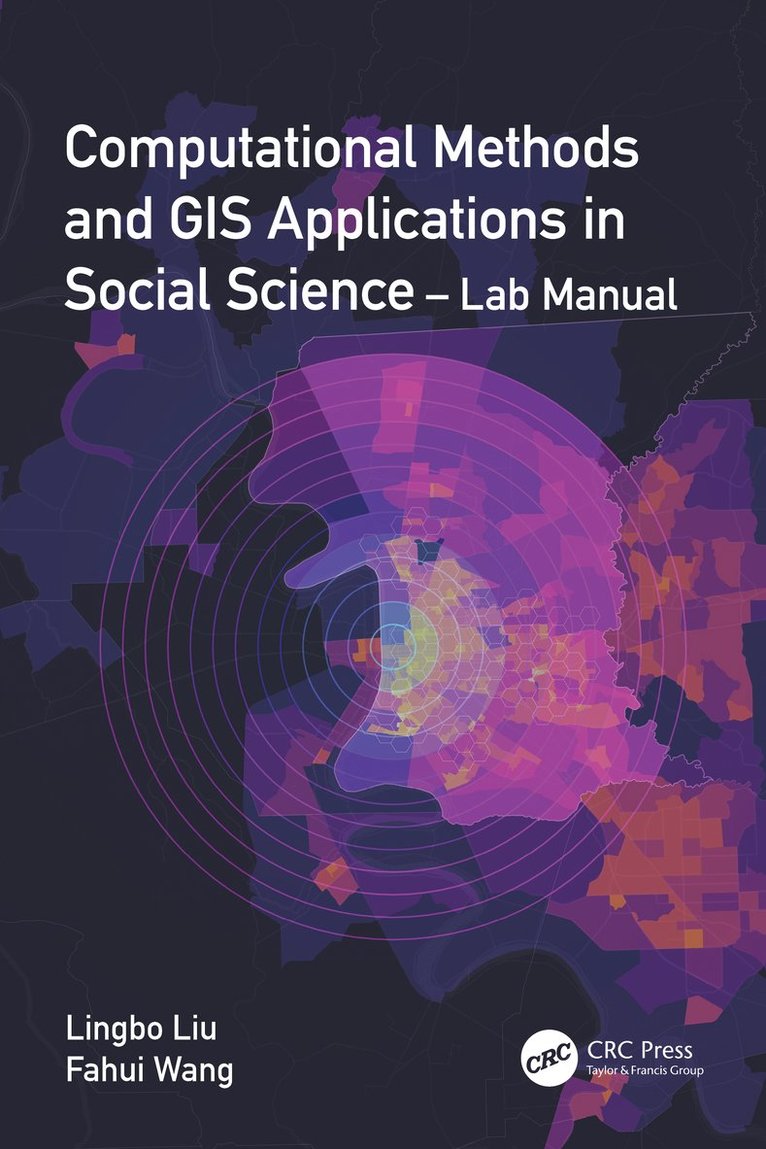
This lab manual is a companion to the third edition of the textbook Computational Methods and GIS Applications in Social Science. It uses the open-source platform KNIME to illustrate a step-by-step implementation of each case study in the book. KNIME is a workflow-based platform supporting visual programming and multiple scripting language such as R, Python, and Java. The intuitive, structural workflow not only helps students better understand the methodology of each case study in the book, but also enables them to easily replicate, transplant and expand the workflow for further exploration with new data or models. This lab manual could also be used as a GIS automation reference for advanced users in spatial analysis.FEATURESThe first hands-on, open-source KNIME lab manual written in tutorial style and focused on GIS applications in social scienceIncludes 22 case studies from the United States and China that parallel the methods developed in the textbookProvides clear step-by-step explanations on how to use the open-source platform KNIME to understand basic and advanced analytical methods through real-life case studiesEnables readers to easily replicate and expand their work with new data and modelsA valuable guide for students and practitioners worldwide engaged in efforts to develop GIS automation in spatial analysisThis lab manual is intended for upper-level undergraduate and graduate students taking courses in quantitative geography, spatial analysis, GIS applications in socioeconomic studies, GIS applications in business, and location theory, as well as researchers in the similar fields of geography, city and regional planning, sociology, and public administration.
1 591 kr
Tillfälligt slut
1 062 kr
Skickas inom 5-8 vardagar