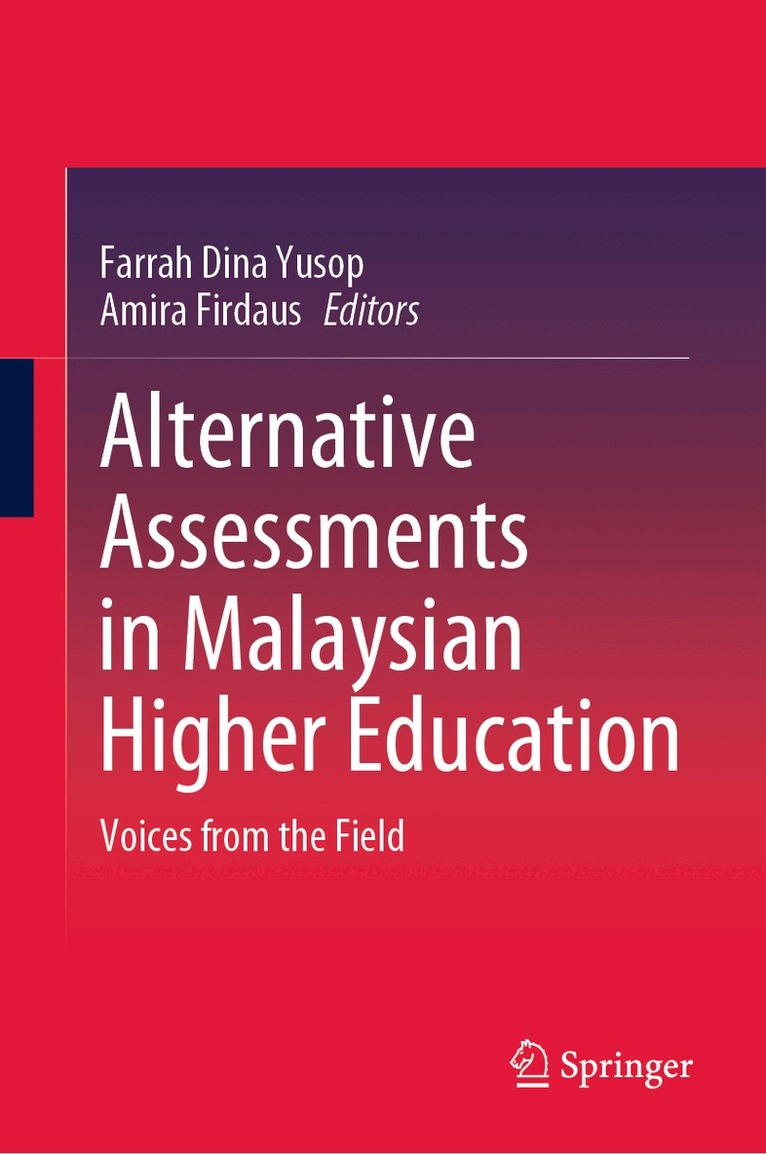
Farrah Dina Yusop – författare
Visar alla böcker från författaren Farrah Dina Yusop. Handla med fri frakt och snabb leverans.
3 produkter
3 produkter
1 559 kr
Skickas inom 10-15 vardagar
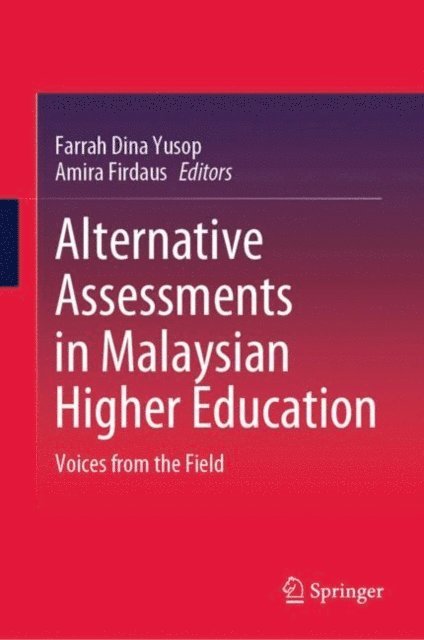
This book offers an overview of five categories of alternative assessments used by established and emerging faculty throughout Malaysian institutions of higher education, namely peer and self-assessment, group-based assessment, performance-based assessment, portfolio, and technology-based assessment.
1 559 kr
Skickas inom 10-15 vardagar
This book offers an overview of five categories of alternative assessments used by established and emerging faculty throughout Malaysian institutions of higher education, namely peer and self-assessment, group-based assessment, performance-based assessment, portfolio, and technology-based assessment.
Del 33 - SpringerBriefs in Environment, Security, Development and Peace
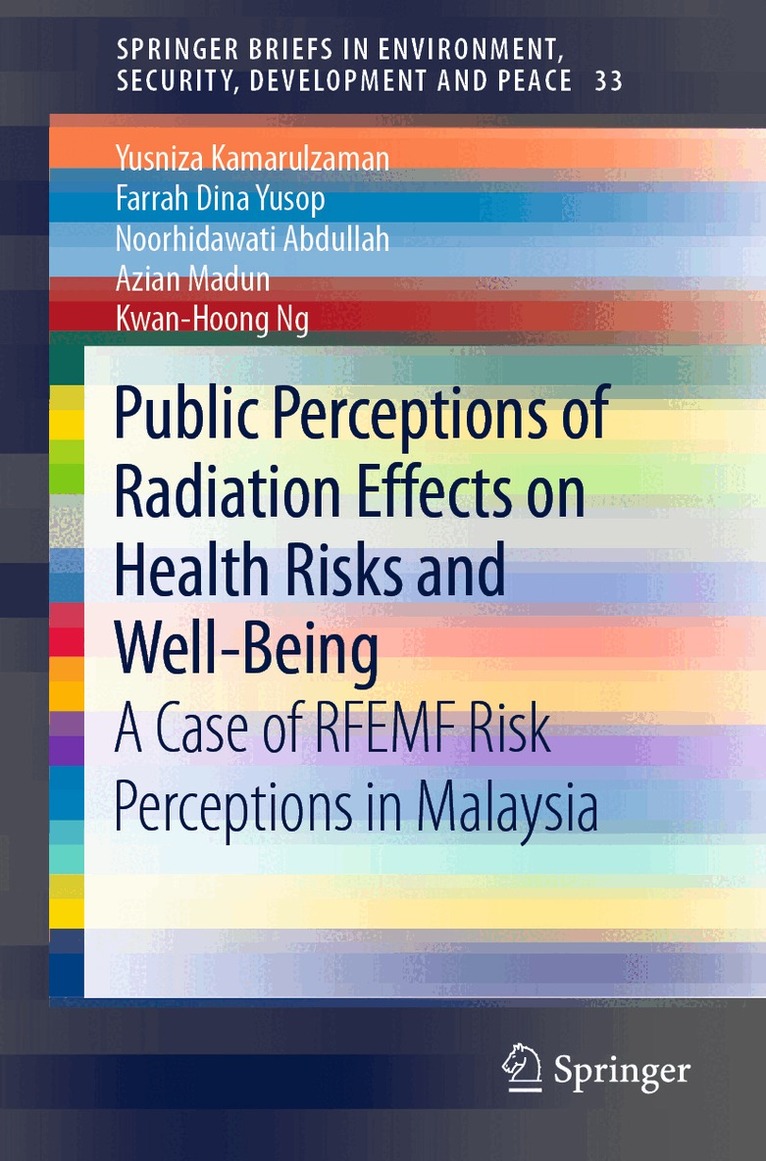
Public Perceptions of Radiation Effects on Health Risks and Well-Being
A Case of RFEMF Risk Perceptions in Malaysia
Häftad, Engelska, 2020
610 kr
Skickas inom 10-15 vardagar
This book reports on the investigation of the public’s perception of Radio Frequency Electromagnetic Field (RF-EMF) radiation effects on health and well-being, in Malaysia. It elaborates on how understanding the impact of perceived risk is essential in order to investigate the explanatory value and effectiveness of interventions influencing these beliefs. The book expands on the knowledge and understanding of different risk perception related to radiation in order to explain the gap in literature regarding the relationship between risk perceptions that lead to public behaviors. In doing so, the book presents empirical findings of a national study that unveils two key factors affecting public risk perceptions: psycho-graphic and personal factors. It offers a more collective and cultural understanding of public perceptions on radiation risks via a systematic mixed-method research approach. Research in the book also show that while the radiation risk is recognizable and unavoidable, the relevant stakeholders should be more proactive and committed to communicate and rectify the perception of radiation. The book thus serves as a valuable source of reference to understand the debate and to invite more participatory dialogues on radiation risk perceptions among public.