Fatima Naqvi - Böcker
Visar alla böcker från författaren Fatima Naqvi. Handla med fri frakt och snabb leverans.
5 produkter
5 produkter
450 kr
Skickas inom 7-10 vardagar
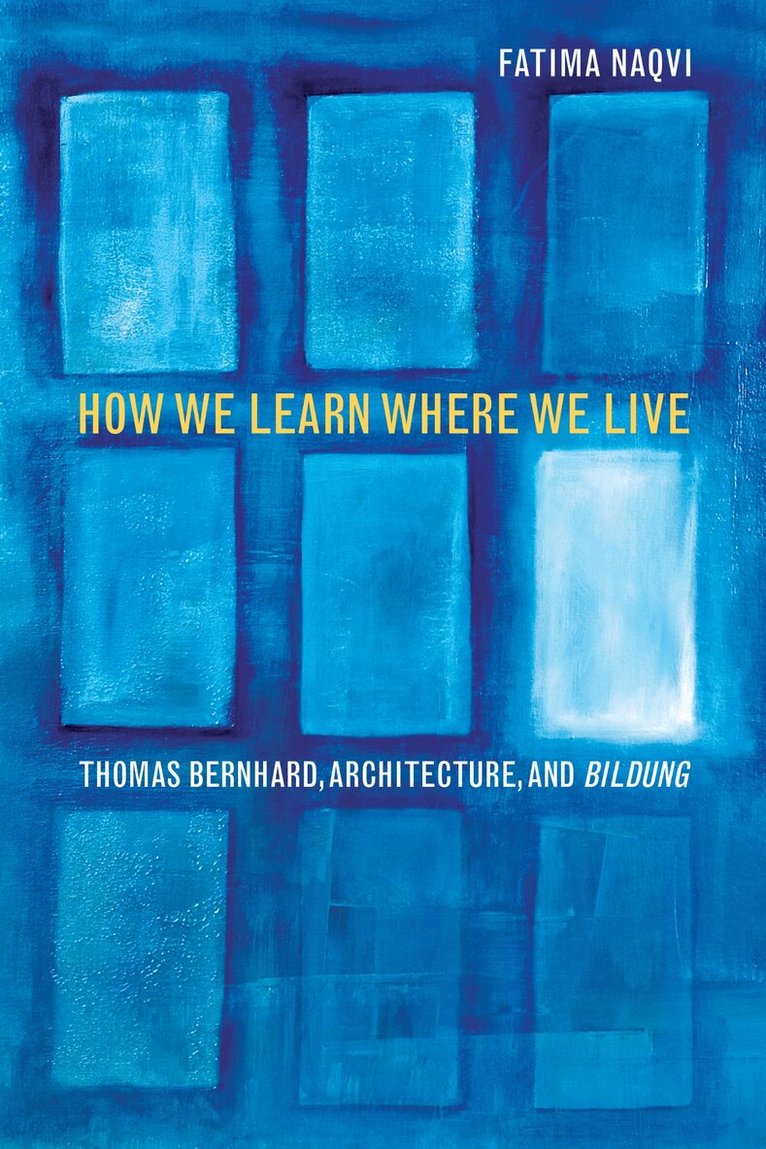
In one of the first English studies of Thomas Bernhard, Fatima Naqvi focuses on the Austrian author’s critique of education (Bildung) through the edifices in which it takes place. His writings insist that learning has always been a life-long process that is helped—or hindered—by the particular buildings in which Bildung occurs.Naqvi offers close readings of Bernhard’s major prose works, from Amras (1964) to Old Masters (1985) and brings them into dialogue with major architectural debates of the times. She examines Bernhard’s interrogation of the theoretical foundations underpinning the educational system and its actual sites.How We Learn Where We Live opens new avenues into thinking about one of themost provocative writers of the twentieth century.
1 254 kr
Skickas inom 10-15 vardagar
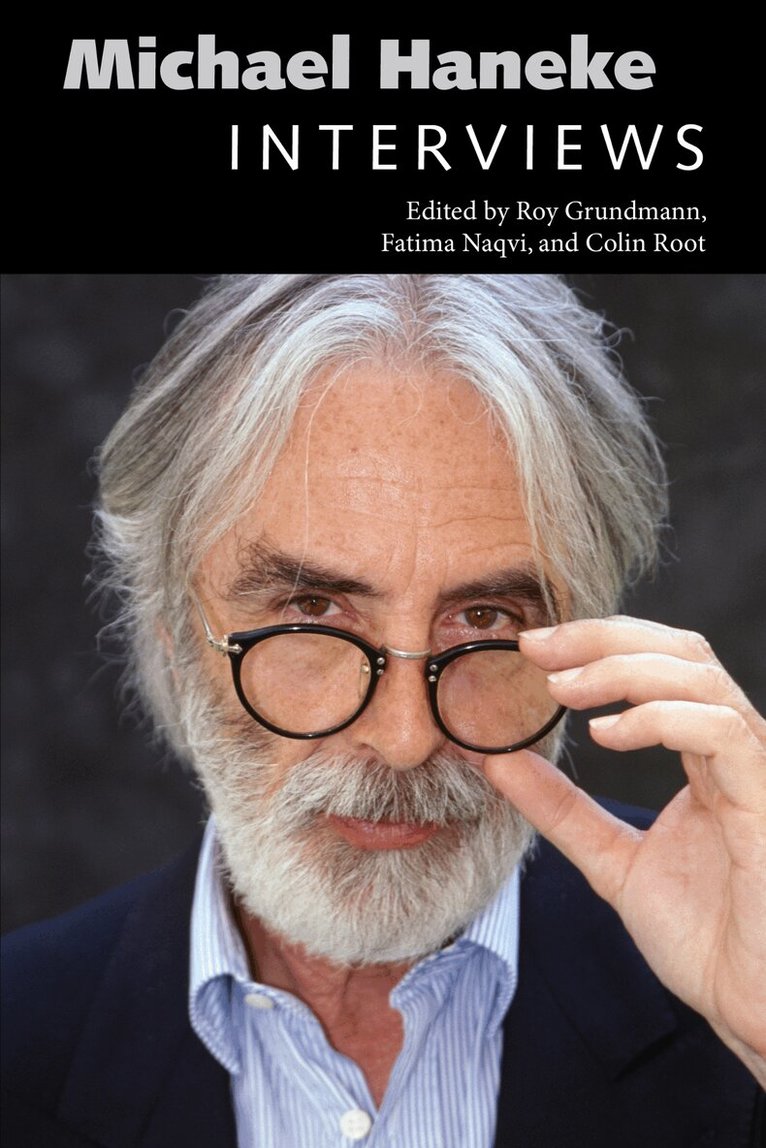
Spanning five decades and twenty-four films, director Michael Haneke's career is one of the most significant in the history of European art cinema. However, critical reception has long lagged behind his output. By the time Haneke (b. 1942) emerged into the international spotlight as a cinematic visionary with the 1989 Cannes premiere of The Seventh Continent, he had worked in filmmaking for two decades, producing seven feature-length films.As many of his films aired solely on Austrian and German television, they remained unknown to audiences outside the German-speaking world until 2007, when the first comprehensive Haneke retrospective took place in the United States.Michael Haneke: Interviews presents some of Haneke's most profound interviews to English speakers. The volume features seventeen articles, fourteen of which have been translated into English for the first time, and all of which provide a detailed, eloquent commentary on his films and worldview. This book represents the most extensive collection to date of interviews with the filmmaker, spanning his entire oeuvre - from his earliest television films to his so-called "Glaciation Trilogy" of the 1990s, from the notorious dark satire Funny Games to its similarly notorious 2007 Hollywood remake, and from his French films of the 2000s to his Oscar-winning drama, Amour, and his most recent feature, Happy End.
333 kr
Skickas inom 10-15 vardagar
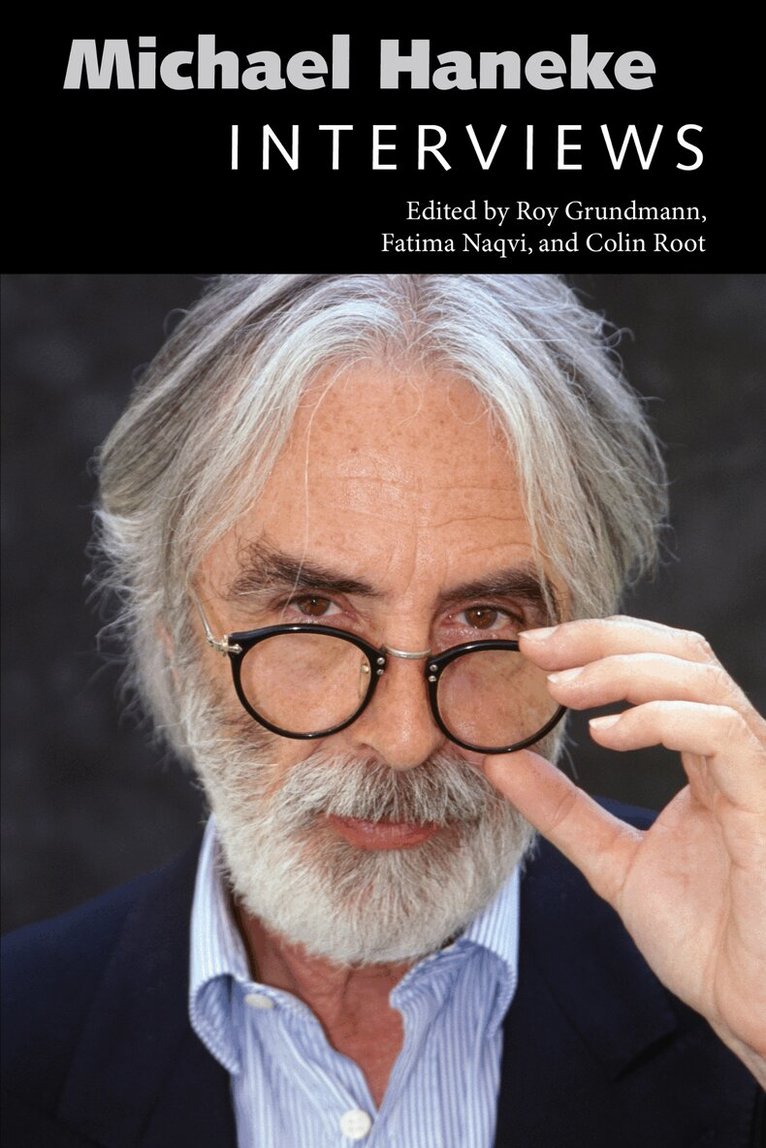
Spanning five decades and twenty-four films, director Michael Haneke's career is one of the most significant in the history of European art cinema. However, critical reception has long lagged behind his output. By the time Haneke (b. 1942) emerged into the international spotlight as a cinematic visionary with the 1989 Cannes premiere of The Seventh Continent, he had worked in filmmaking for two decades, producing seven feature-length films. As many of his films aired solely on Austrian and German television, they remained unknown to audiences outside the German-speaking world until 2007, when the first comprehensive Haneke retrospective took place in the United States.Michael Haneke: Interviews presents some of Haneke's most profound interviews to English speakers. The volume features seventeen articles, fourteen of which have been translated into English for the first time, and all of which provide a detailed, eloquent commentary on his films and worldview. This book represents the most extensive collection to date of interviews with the filmmaker, spanning his entire oeuvre - from his earliest television films to his so-called "Glaciation Trilogy" of the 1990s, from the notorious dark satire Funny Games to its similarly notorious 2007 Hollywood remake, and from his French films of the 2000s to his Oscar-winning drama, Amour, and his most recent feature, Happy End.
269 kr
Skickas inom 10-15 vardagar
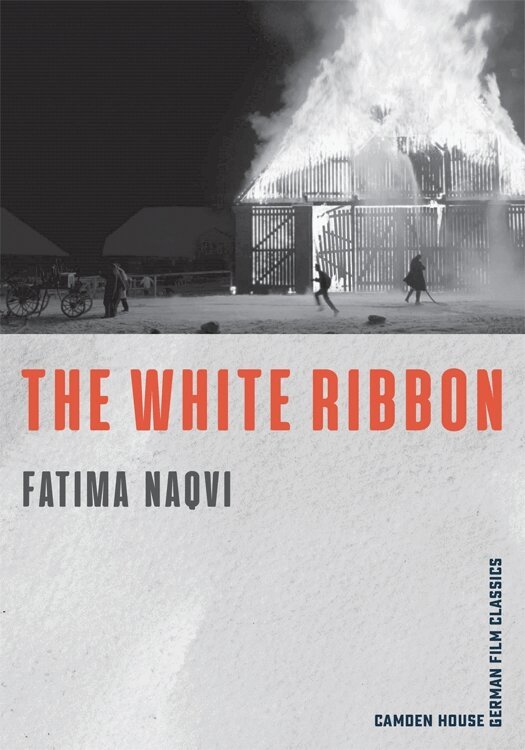
Explores Haneke's historically complex film as a reflection on purity, ideology, violence, and child-rearing.White ribbons and black pedagogy - Michael Haneke's award-winning film The White Ribbon (2009) is a multilayered reflection on purity, ideology, violence, and child rearing. In this tense black-and-white whodunit, mysterious events occur in a small town on the German-Polish border in 1913-14. A tripwire fells the doctor's horse; a farmhand's wife falls through the floor of a shed; a barn goes up in flames; the baron's son is terribly beaten; a girls takes claims to clairvoyance; a mentally disabled boy is tortured and maimed. While the film unfolds on the eve of the First World War, the violence evokes other historical moments: the breakup of the multi ethnic Austro-Hungarian Empire, the rise of National Socialism, the emergence of 1960s German terrorism, and religious fundamentalism post 9/11.Fatima Naqvi's book looks at Haneke's technique of combining various histories in the digital era. It also reflects on the guise of literariness and historical authenticity in which the director clothes this fictional film. It meditates on the film's inscription techniques and its ability to appeal to international audiences. Naqvi shows that The White Ribbon bespeaks a certain historical "translatability" into historical and aesthetic contexts outside of Germany-in marked contrast to the historical specificity it conveys on a surface level.
133 kr
Skickas inom 11-20 vardagar
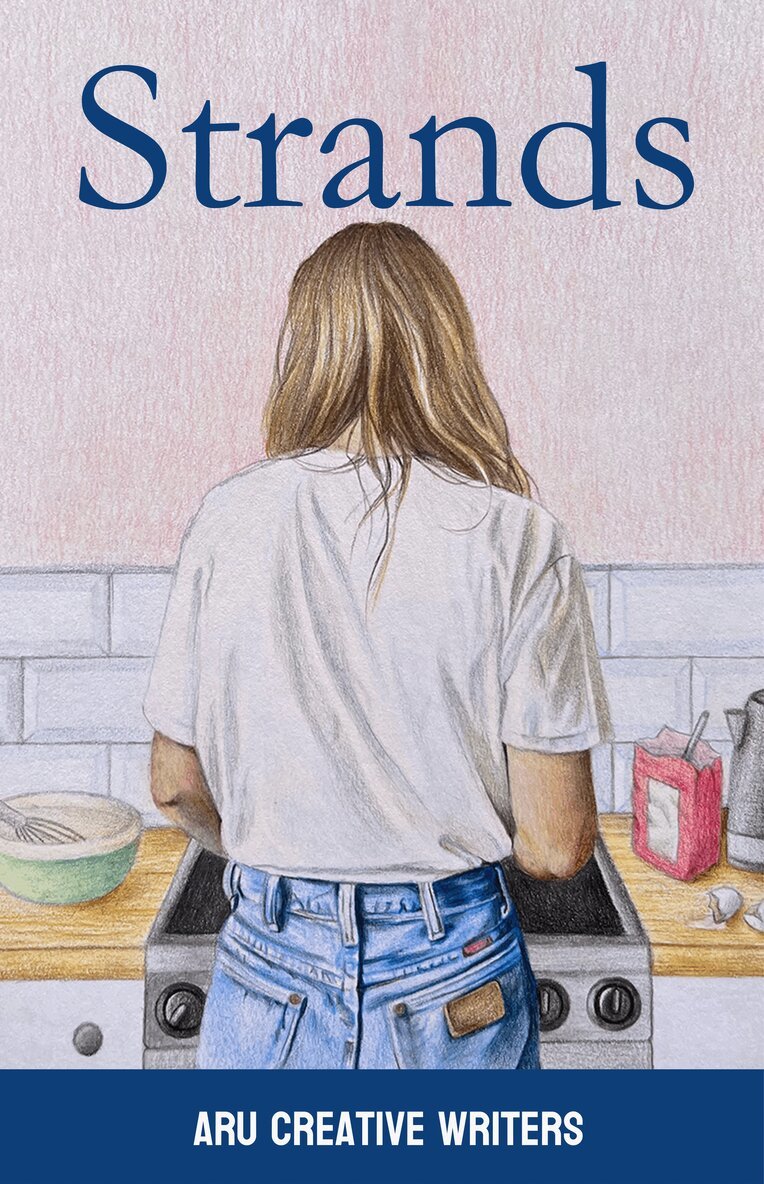
This anthology brings together a rich collection of fifteen voices. Each contribution is unique in flavour, origin, and rhythm, yet somehow, like the ingredients of a well-loved recipe, the combination is greater than the sum of its parts. Utilising both prose and poetry, these narrative reflections come in a range of genres, covering expansive stretches of space, time, and emotion. Together, they make up a tapestry – one as intricate and simple as a hand-crafted dish.Here you'll find intimate personal stories, generosity of spirit and langage, and trust in the universal power of storytelling, memory and connection. Whether sweet, bitter, spicy, or simmering to unfold, each piece is a vital part of the whole, and a reminder of stories that linger long after the last page.