Fatma Müge Göcek – författare
Visar alla böcker från författaren Fatma Müge Göcek. Handla med fri frakt och snabb leverans.
15 produkter
15 produkter
2 201 kr
Skickas inom 5-8 vardagar
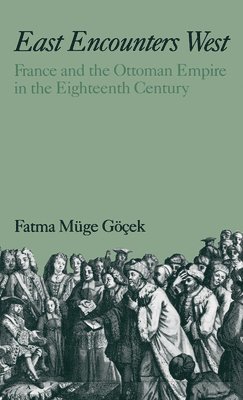
In 1720 an Ottoman ambassador arrived in France to observe Western civilization and report on what he saw and how it could be applied in the Ottoman Empire. Based on his accounts, this book studies the impact of the West on the Empire, and of this Ottoman embassy on the two societies.
Rise of the Bourgeoisie, Demise of Empire
Ottoman Westernization and Social Change
Inbunden, Engelska, 1996
2 201 kr
Skickas inom 5-8 vardagar
BLExamines the process of Westernization and social change during the 18th and 19th centuries in the Ottoman EmpireUsing empirical analysis of archival documents and historical chronicles, Göçek questions the prevailing scholarly interpretation that Westernization leads to social change. Rather, she argues that social change precedes and contributes to the process of Westernization.
675 kr
Skickas inom 5-8 vardagar
One hundred years after the deportations and mass murder of Armenians, Assyrians, and other peoples in the final years of the Ottoman Empire, the history of the Armenian Genocide remains a victim of historical distortion, state-sponsored falsification, and the deep divisions between Armenians and Turks. Working together for the first time, Turkish, Armenian, and other scholars present here the most accurate reconstruction of what happened and why. This book is the product of a decade of scholarly encounters that launched intense investigations by historians and other social scientists dedicated to honest exploration of one of history's greatest tragedies. While the word "genocide" still divides communities, there is no longer any serious doubt that the Young Turk government ordered and carried out in 1915-1916 mass deportations and massacres targeted toward designated ethnoreligious groups. This volume includes reviews of the historical debates surrounding these events, portraits of the perpetrators, detailed accounts of the massacres themselves, and reflections on the broader implications of what happened then on what might happen now. Here history is not only the stories that we tell about the past but the foundation on which might be built new understandings of the present and possible futures.
396 kr
Skickas inom 5-8 vardagar
One hundred years after the deportations and mass murder of Armenians, Greeks, Assyrians, and other peoples in the final years of the Ottoman Empire, the history of the Armenian genocide is a victim of historical distortion, state-sponsored falsification, and deep divisions between Armenians and Turks. Working together for the first time, Turkish, Armenian, and other scholars present here a compelling reconstruction of what happened and why. This volume gathers the most up-to-date scholarship on Armenian genocide, looking at how the event has been written about in Western and Turkish historiographies; what was happening on the eve of the catastrophe; portraits of the perpetrators; detailed accounts of the massacres; how the event has been perceived in both local and international contexts, including World War I; and reflections on the broader implications of what happened then. The result is a comprehensive work that moves beyond nationalist master narratives and offers a more complete understanding of this tragic event.
2 042 kr
Skickas inom 10-15 vardagar
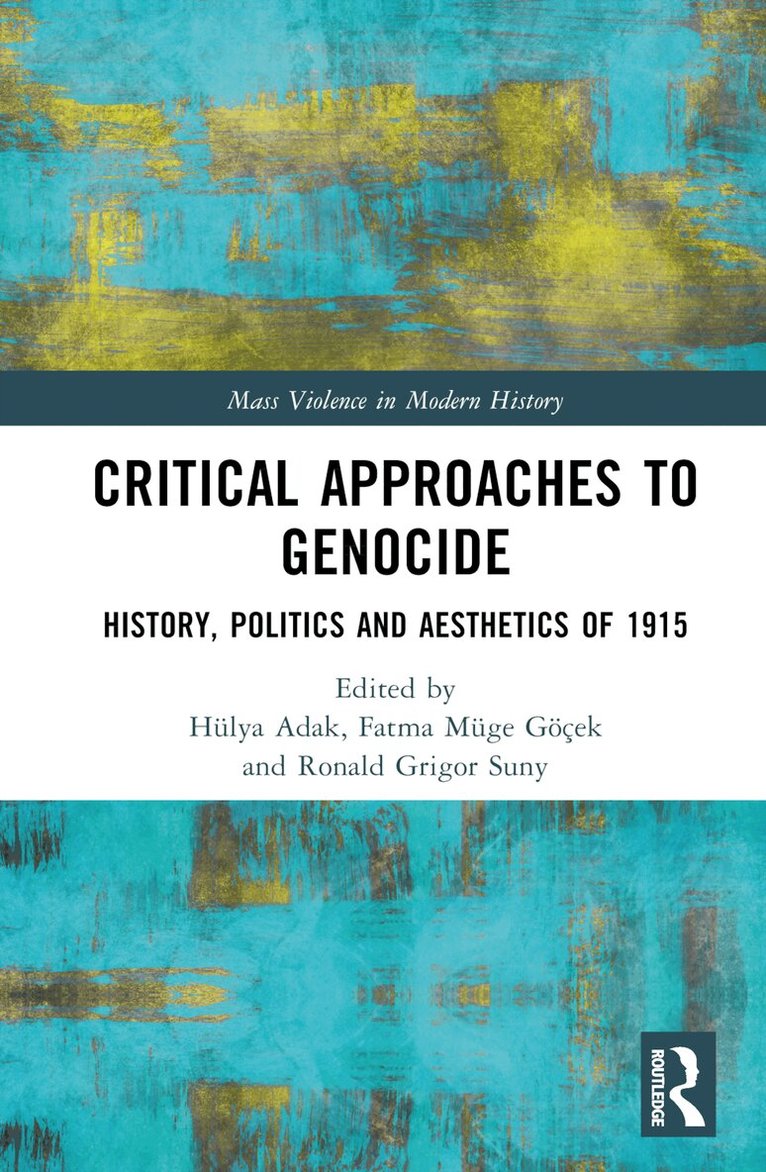
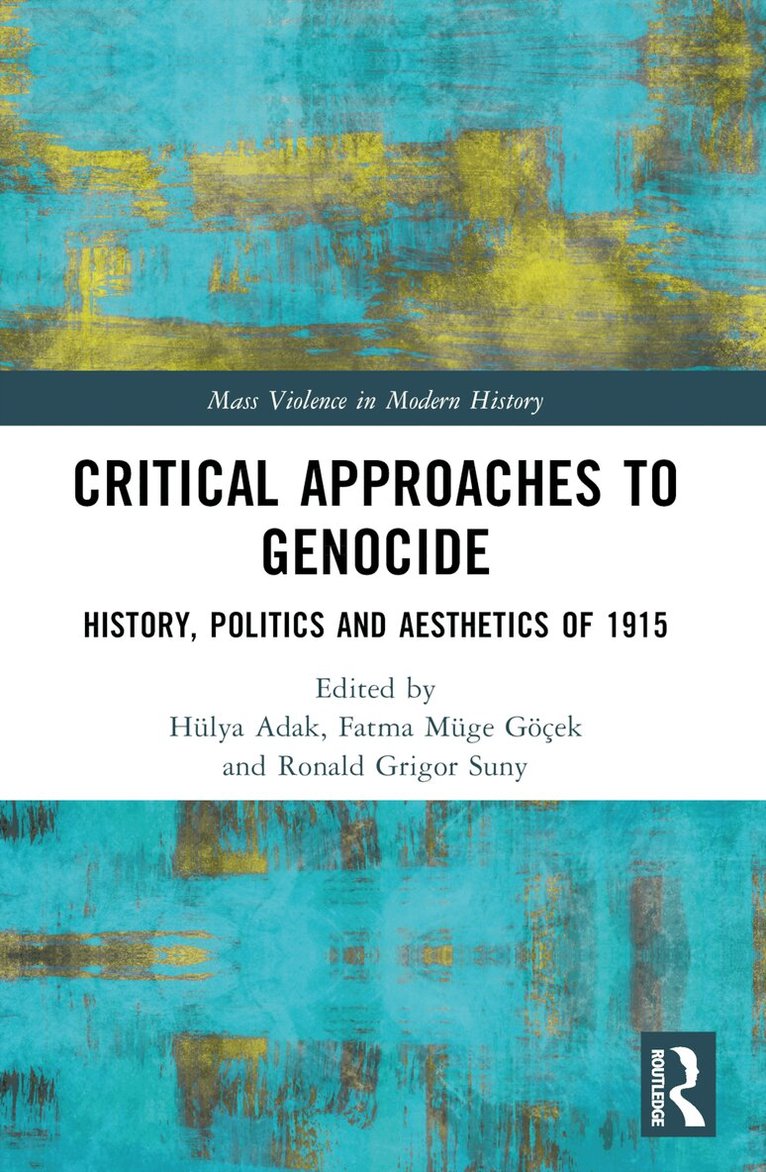
The study of genocide has been appropriate in emphasizing the centrality of the Holocaust; yet, other preceding episodes of mass violence are of great significance. Taking a transnational and transhistorical approach, this volume redresses and replaces the silencing of the Armenian Genocide.Scholarship relating to the history of denial, comparative approaches in the deportations and killings of Greeks and Armenians during the First World War, and women’s histories during the genocide and post-genocide proliferated during the centennial of the Armenian Genocide in 2015. Collectively, however, these studies have not been enough to offer a comprehensive account of the historical record, documentation, and interpretation of events during 1915-1916. This study seeks to bridge the gap, by unsettling nationalist narratives and addressing areas such as aesthetics, gender, and sexuality. By bringing forward various dimensions of the human experience, including the political, socioeconomic, cultural, social, gendered, and legal contexts within which such silencing occurred, the essays address the methodological silences and processes of selectivity and exclusion in scholarship on the Armenian Genocide.The interdisciplinary approach makes Critical Approaches to Genocide a useful resource for all students and scholars interested in the Armenian Genocide and memory studies.
Cultural Violence and the Destruction of Human Communities
New Theoretical Perspectives
Häftad, Engelska, 2022
653 kr
Skickas inom 10-15 vardagar
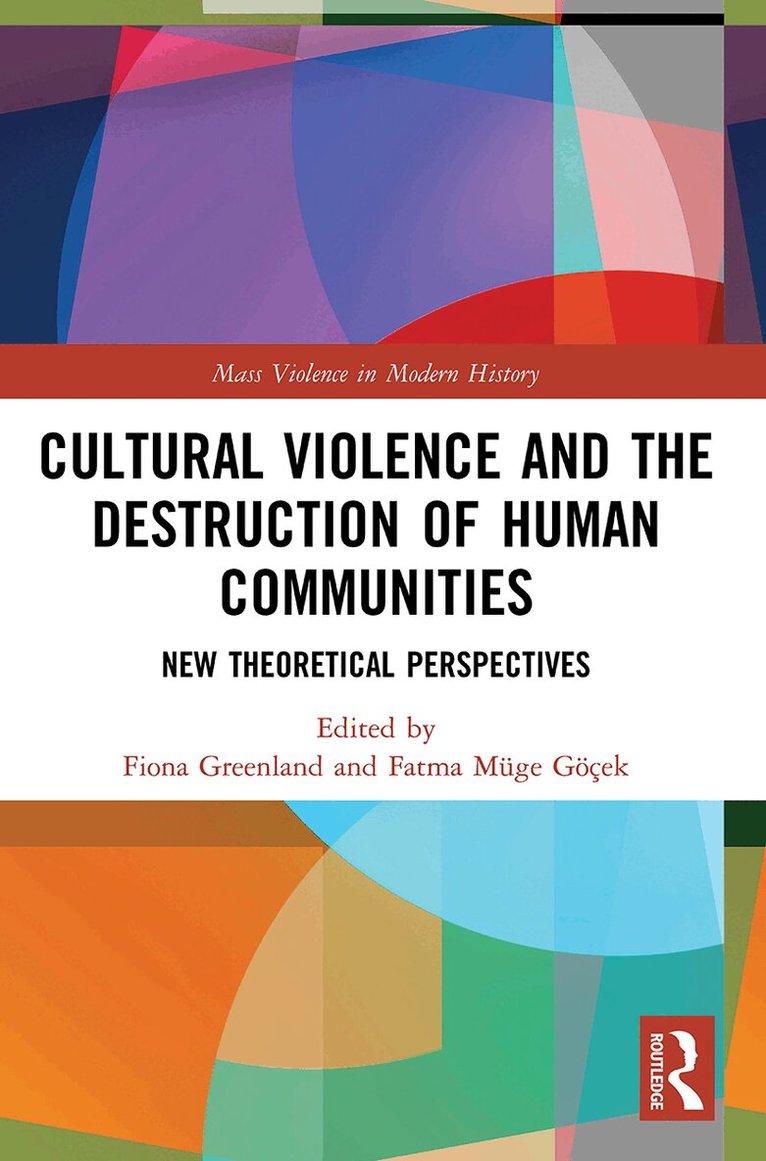
This volume brings together leading sociologists and anthropologists to break new ground in the study of cultural violence. First sketched in Raphael Lemkin’s seminal writings on genocide, and later systematically defined by peace studies scholar Johan Galtung, the concept of cultural violence seeks to explain why and how language, symbols, rituals, practices, and objects are so frequently in the crosshairs of socio-political change. Recent conflicts in the Middle East, Africa, and Central Asia, along with renewed public interest in the repertoire of violence applied to the control and erasure of indigenous populations, highlights the gaps in our understanding of why cultural violence occurs, what it consists of, and how it relates to other forms of collective violence.
2 216 kr
Skickas inom 10-15 vardagar
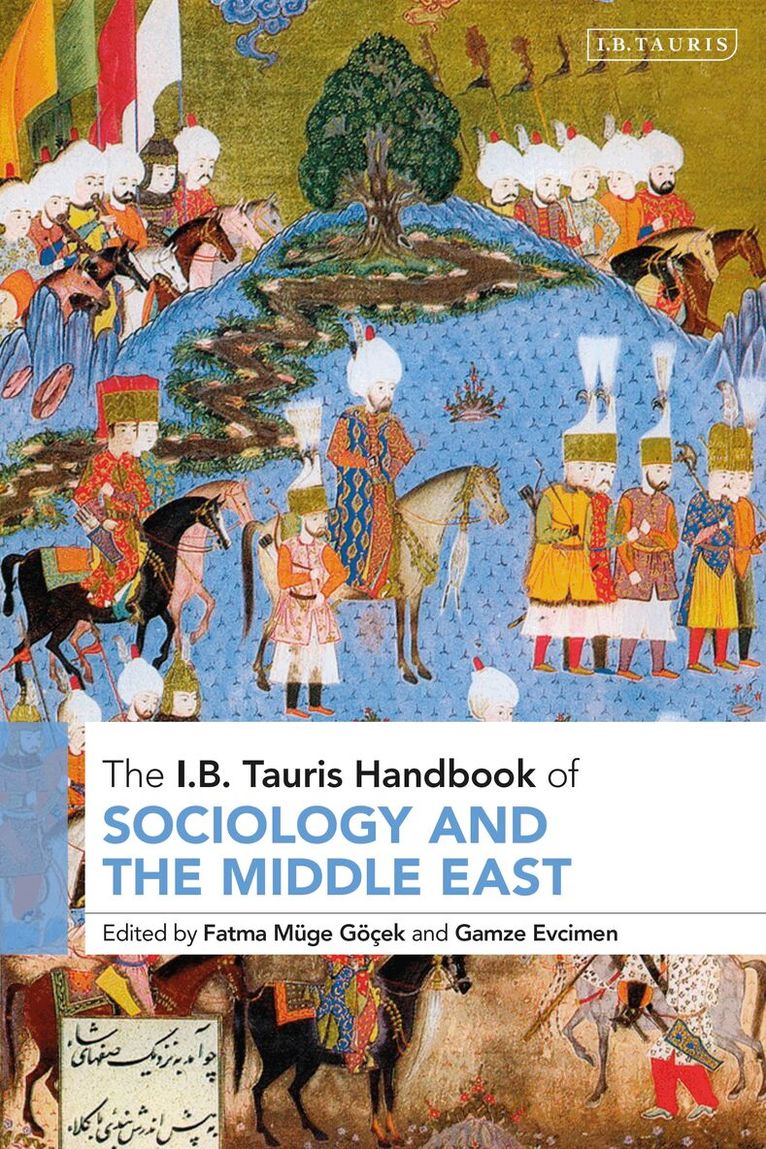
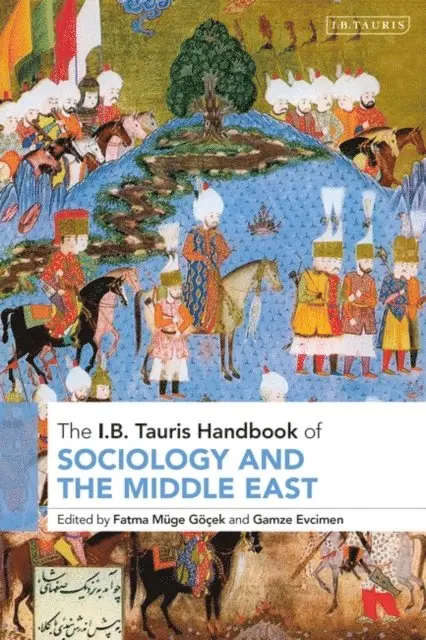
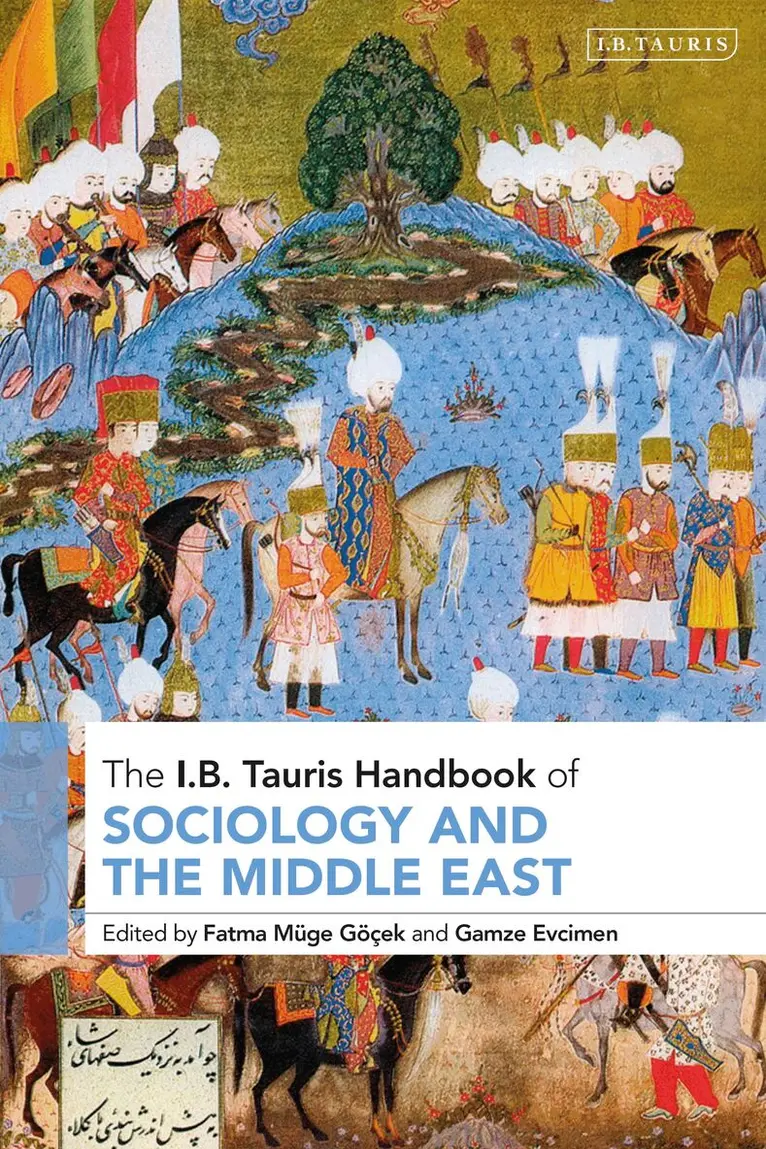
What we understand by the ‘Middle East’ has changed over time and across space. While scholars agree that the geographical ‘core’ of the Middle East is the Arabian Peninsula, the boundaries are less clear. How far back in time should we go to define the Middle East? How far south and east should we move on the African continent? And how do we deal with the minority religions in the region, and those who migrate to the West?Across this handbook’s 52 chapters, the leading sociologists writing on the Middle East share their standpoint on these questions. Taking the featured scholars as constitutive of the field, the handbook reshapes studies on the region by piecing together our knowledge on the Middle East from their path-defining contributions. The volume is divided into four parts covering sociologists’ perspectives on:· Social transformations and social conflict; from Israel-Palestine and the Iranian Revolution, to the Arab Uprisings and the Syrian War · The region’s economic, religious and political activities; including the impact of the spread of Western modernity; the effects of neo-liberalism; and how Islam shapes the region’s life and politics · People’s everyday practices as they have shaped our understanding of culture, consumption, gender and sexuality · The diasporas from the Middle East in Europe and North America, which put the Middle East in dialogue with other regions of the world.The global approach and wide-ranging topics represent how sociologists enable us to redefine the boundaries and identities of the Middle East today.
559 kr
Skickas inom 10-15 vardagar
What we understand by the ‘Middle East’ has changed over time and across space. While scholars agree that the geographical ‘core’ of the Middle East is the Arabian Peninsula, the boundaries are less clear. How far back in time should we go to define the Middle East? How far south and east should we move on the African continent? And how do we deal with the minority religions in the region, and those who migrate to the West?Across this handbook’s 52 chapters, the leading sociologists writing on the Middle East share their standpoint on these questions. Taking the featured scholars as constitutive of the field, the handbook reshapes studies on the region by piecing together our knowledge on the Middle East from their path-defining contributions. The volume is divided into four parts covering sociologists’ perspectives on:· Social transformations and social conflict; from Israel-Palestine and the Iranian Revolution, to the Arab Uprisings and the Syrian War · The region’s economic, religious and political activities; including the impact of the spread of Western modernity; the effects of neo-liberalism; and how Islam shapes the region’s life and politics · People’s everyday practices as they have shaped our understanding of culture, consumption, gender and sexuality · The diasporas from the Middle East in Europe and North America, which put the Middle East in dialogue with other regions of the world.The global approach and wide-ranging topics represent how sociologists enable us to redefine the boundaries and identities of the Middle East today.
946 kr
Skickas inom 10-15 vardagar
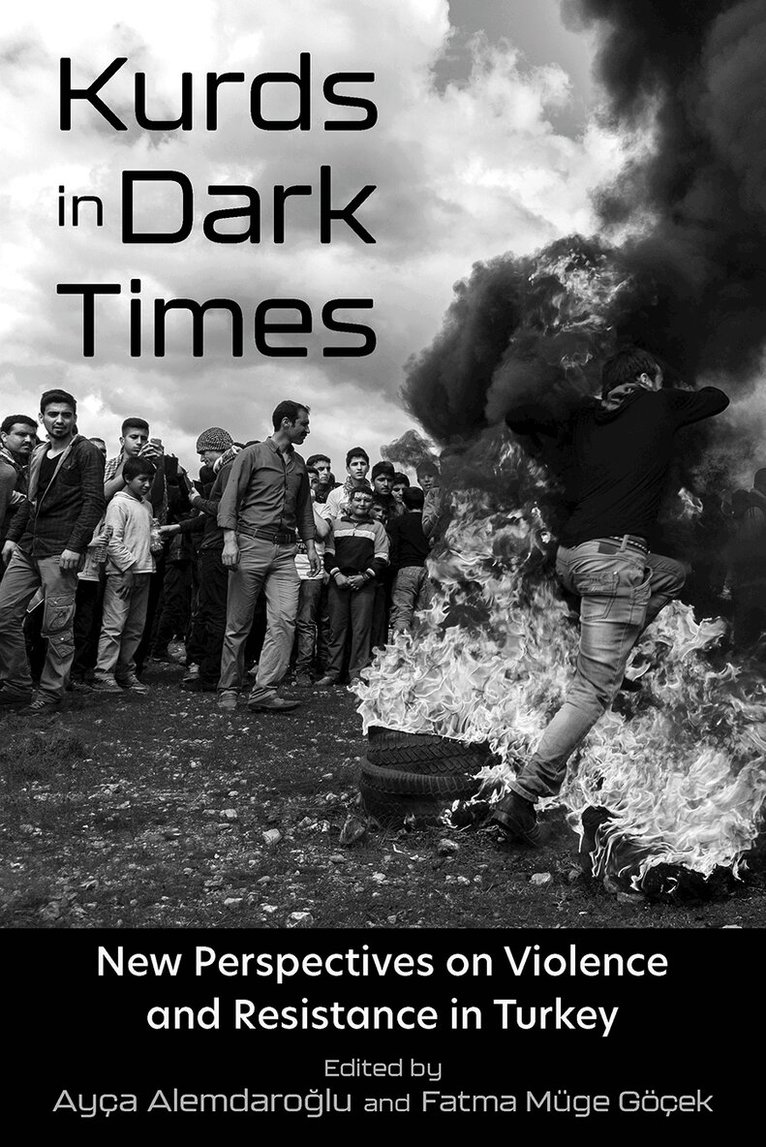
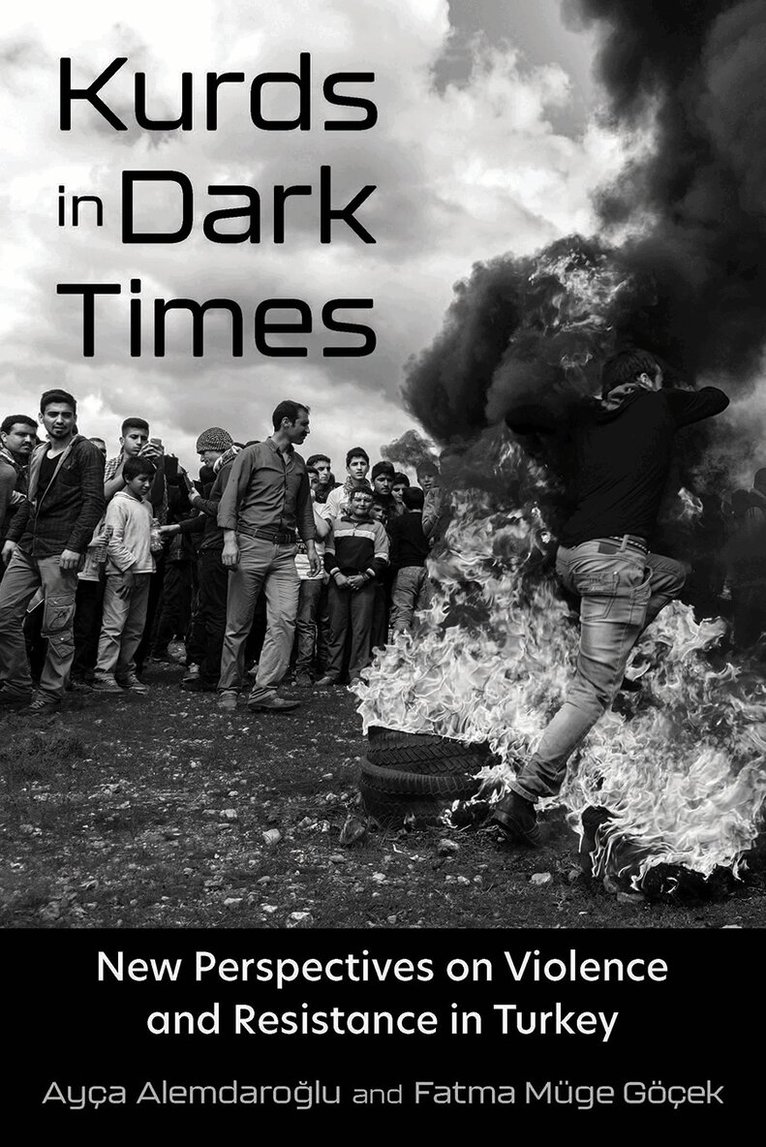
With an estimated population of 35 million, Kurds are the largest ethnic group in the world without an independent state of their own. The majority of Kurds live in Turkey, where they constitute 18 percent of the population. Since the foundation of the Turkish republic in 1923, the history of the Kurds in Turkey is marked by state violence against them and decades of conflict between the Turkish military and Kurdish fighters. Although the continuous struggle of the Kurdish people is well-known and the political actors involved in the conflict have received much scholarly attention, little has been written from the vantage point of the Kurds themselves.Alemdaroglu and Göçek’s volume develops a fresh approach by moving away from top-down, Turkish nationalist macro analyses to a micro-analysis of how Kurds and Kurdistan as historical and ethnic categories were constructed from the bottom up and how Kurds experience and resists marginalization, exclusion, and violence. Contributors looks beyond the politics of state actors to examine the role of civil society and the significant role women play in the negotiation of power. Kurds in Dark Times opens an essential window into the lives of Kurds in Turkey, generating meaningful insights not only into the political interactions with the Turkish state and society, but also the informal ways in which they negotiate within society that will be crucial in developing peace and reconciliation.
456 kr
Skickas inom 5-8 vardagar
With an estimated population of 35 million, Kurds are the largest ethnic group in the world without an independent state of their own. The majority of Kurds live in Turkey, where they constitute 18 percent of the population. Since the foundation of the Turkish republic in 1923, the history of the Kurds in Turkey is marked by state violence against them and decades of conflict between the Turkish military and Kurdish fighters. Although the continuous struggle of the Kurdish people is well-known and the political actors involved in the conflict have received much scholarly attention, little has been written from the vantage point of the Kurds themselves.Alemdaroglu and Göçek’s volume develops a fresh approach by moving away from top-down, Turkish nationalist macro analyses to a micro-analysis of how Kurds and Kurdistan as historical and ethnic categories were constructed from the bottom up and how Kurds experience and resists marginalization, exclusion, and violence. Contributors looks beyond the politics of state actors to examine the role of civil society and the significant role women play in the negotiation of power. Kurds in Dark Times opens an essential window into the lives of Kurds in Turkey, generating meaningful insights not only into the political interactions with the Turkish state and society, but also the informal ways in which they negotiate within society that will be crucial in developing peace and reconciliation.
653 kr
Skickas inom 10-15 vardagar
The study of genocide has been appropriate in emphasizing the centrality of the Holocaust; yet, other preceding episodes of mass violence are of great significance. Taking a transnational and transhistorical approach, this volume redresses and replaces the silencing of the Armenian Genocide.Scholarship relating to the history of denial, comparative approaches in the deportations and killings of Greeks and Armenians during the First World War, and women’s histories during the genocide and post-genocide proliferated during the centennial of the Armenian Genocide in 2015. Collectively, however, these studies have not been enough to offer a comprehensive account of the historical record, documentation, and interpretation of events during 1915-1916. This study seeks to bridge the gap, by unsettling nationalist narratives and addressing areas such as aesthetics, gender, and sexuality. By bringing forward various dimensions of the human experience, including the political, socioeconomic, cultural, social, gendered, and legal contexts within which such silencing occurred, the essays address the methodological silences and processes of selectivity and exclusion in scholarship on the Armenian Genocide.The interdisciplinary approach makes Critical Approaches to Genocide a useful resource for all students and scholars interested in the Armenian Genocide and memory studies.
Cultural Violence and the Destruction of Human Communities
New Theoretical Perspectives
Inbunden, Engelska, 2020
2 182 kr
Skickas inom 10-15 vardagar
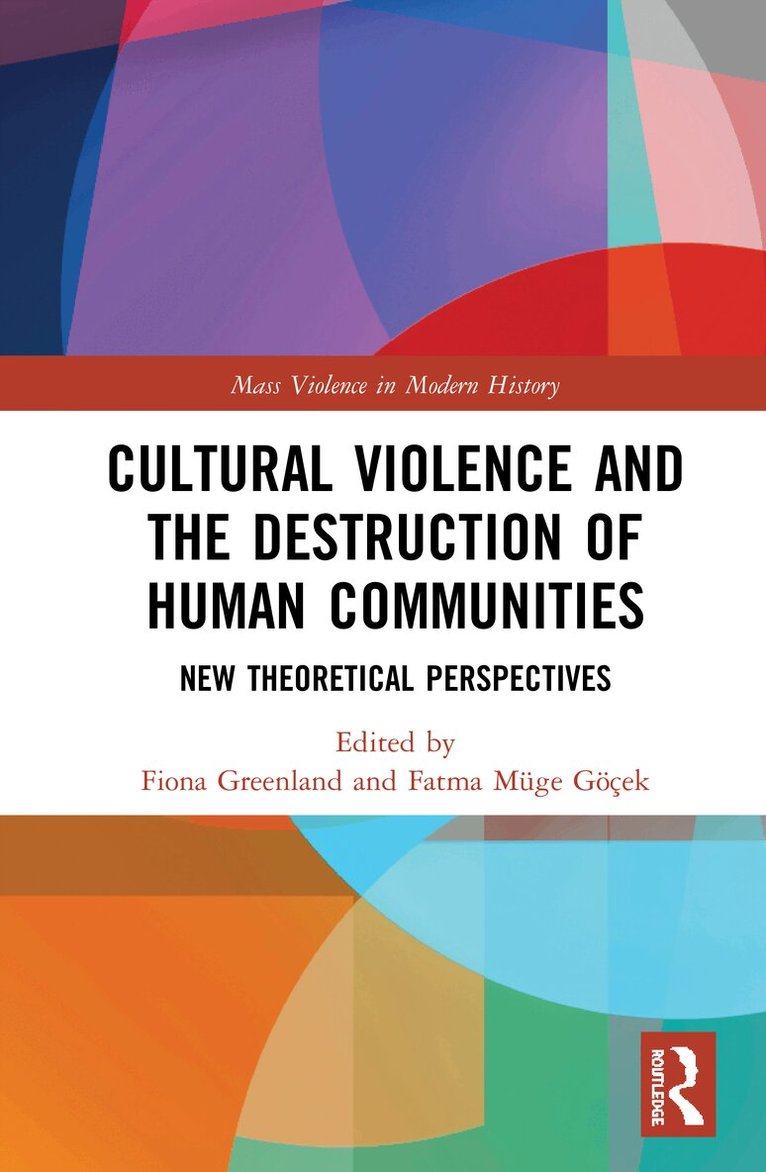
This volume brings together leading sociologists and anthropologists to break new ground in the study of cultural violence. First sketched in Raphael Lemkin’s seminal writings on genocide, and later systematically defined by peace studies scholar Johan Galtung, the concept of cultural violence seeks to explain why and how language, symbols, rituals, practices, and objects are so frequently in the crosshairs of socio-political change. Recent conflicts in the Middle East, Africa, and Central Asia, along with renewed public interest in the repertoire of violence applied to the control and erasure of indigenous populations, highlights the gaps in our understanding of why cultural violence occurs, what it consists of, and how it relates to other forms of collective violence.
287 kr
Skickas inom 3-6 vardagar
Contested Spaces in Contemporary Turkey
Environmental, Urban and Secular Politics
Inbunden, Engelska, 2018
1 750 kr
Skickas inom 10-15 vardagar
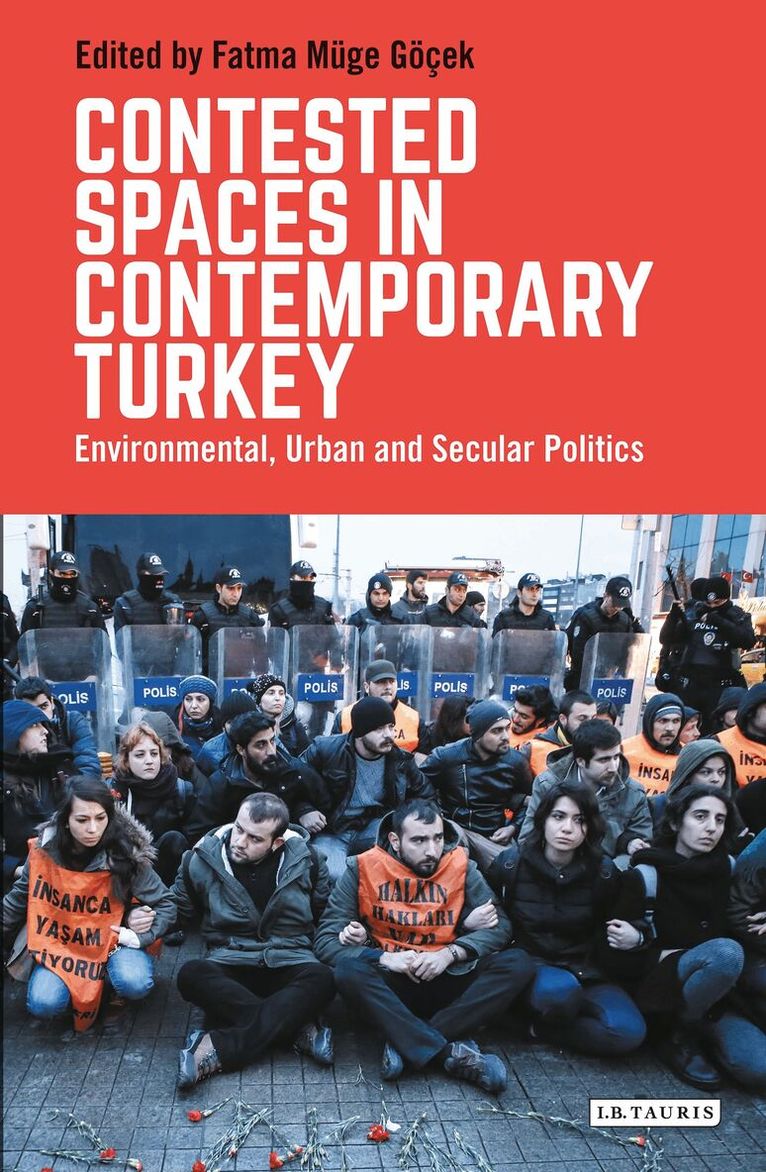
The most significant political development of the post-Cold War era was, arguably, the diffusion of neoliberalism across the globe. Yet behind the illusion of abundance and development, the 'rule of the market' can be violent and destructive, exploiting the environment, dismissing cultural or historical conservation and ignoring individual rights. This book now examines the emergence and consequences of neoliberalism in Turkey. Of particular importance to the study are the contested spaces - those sites of struggle and protest - where the impact of this economic system is challenged or negotiated. The contributors look beyond the neoliberal cities of the West - Istanbul and Ankara - to take into account the rest of the country and the groups that are most negatively affected: such as the Kurds, women and migrants. Chapters consider the complexity of neoliberalism in Turkey, where the power of the market, the agenda of the state, and significantly, the country's past, are shown to have shaped current economic practices and policies.Contested Spaces in Contemporary Turkey sheds new light on the societal processes that are re-shaping modern Turkey, a subject which is of increasing importance considering Erdogan's new model for an Islam-based state and in the aftermath of the July 2016 military coup attempt. It is at the cutting edge of research on urban history and social space and will be a significant resource for scholars of Turkish Studies and Kurdish Studies.
Contested Spaces in Contemporary Turkey
Environmental, Urban and Secular Politics
Häftad, Engelska, 2019
476 kr
Skickas inom 10-15 vardagar
The most significant political development of the post-Cold War era was, arguably, the diffusion of neoliberalism across the globe. Yet behind the illusion of abundance and development, the 'rule of the market' can be violent and destructive, exploiting the environment, dismissing cultural or historical conservation and ignoring individual rights. This book now examines the emergence and consequences of neoliberalism in Turkey. Of particular importance to the study are the contested spaces - those sites of struggle and protest - where the impact of this economic system is challenged or negotiated. The contributors look beyond the neoliberal cities of the West - Istanbul and Ankara - to take into account the rest of the country and the groups that are most negatively affected: such as the Kurds, women and migrants. Chapters consider the complexity of neoliberalism in Turkey, where the power of the market, the agenda of the state, and significantly, the country's past, are shown to have shaped current economic practices and policies.Contested Spaces in Contemporary Turkey sheds new light on the societal processes that are re-shaping modern Turkey, a subject which is of increasing importance considering Erdogan's new model for an Islam-based state and in the aftermath of the July 2016 military coup attempt. It is at the cutting edge of research on urban history and social space and will be a significant resource for scholars of Turkish Studies and Kurdish Studies.