E-bok
PDF, Engelska, 20181 727 kr
Läs direkt efter köp
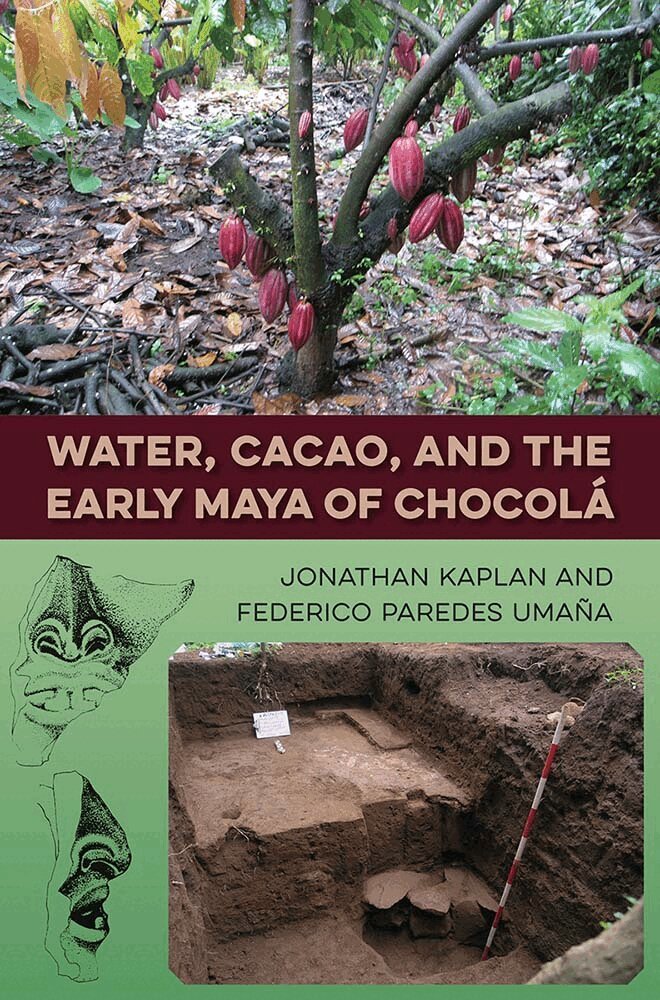
Water, Cacao, and the Early Maya of Chocolá explores the often-overlooked Southern Maya Region of Guatemala, closely examining the near-legendary ancient city of Chocolá. Jonathan Kaplan and Federico Paredes Umaña marshal extensive fieldwork to demonstrate why Chocolá must now be added to the ranks of major Maya polities and theorize how it likely was innovative and influential early in the development of Maya civilization.In their research at the site, Kaplan and Paredes Umaña discovered a large and extraordinarily sophisticated underground water-control system. They also found evidence to support their theory that surplus cacao cultivation for trade underlay the city''s burgeoning complexity. They contend that the city''s wealth and power were built on its abundant supply of water and its arboriculture of cacao, a food which was significant not just in cuisine and trade but also was central in Classic Maya ideology and cosmology.In addition, Kaplan and Paredes Umaña provide the first description and chronology of the ancient city''s ceramics and add over thirty stone sculptures to the site''s inventory. Because the Southern Maya Region was likely the place of origin of Maya hieroglyphic writing as well as the extraordinary Maya Long Count calendar, scholars have long suspected the area to be critically important in ancient Maya history and process. Beyond confirming Chocolá to be one of the major early Maya polities, this pioneering work also helps explain how and why the region in which it developed may have played an essential role in the rise of the Maya civilization.A volume in the series Maya Studies, edited by Diane Z. Chase and Arlen F. Chase