Felecia M. Briscoe - Böcker
Visar alla böcker från författaren Felecia M. Briscoe. Handla med fri frakt och snabb leverans.
4 produkter
4 produkter
1 101 kr
Skickas inom 3-6 vardagar
"I couldn′t stop reading this book! It masterfully pinpoints how language plays a critical, fundamental role in our daily lives as educators. Most important, it shows us how our deepest thoughts are manifested in language and how we can deal with them in our continued efforts to dismantle gender, racial, and class prejudice."—Susan Roberta Katz, Professor and Chair of International & Multicultural EducationUniversity of San Francisco"The authors show that by thinking critically about how we interact with others and by making the necessary changes in our own behavior, leaders can model respectful and collaborative ways of addressing and responding to others and gradually change the norms of the whole community."—Gordon Wells, Professor of EducationUniversity of California, Santa Cruz"Any chapter is enough for a year′s worth of conversation, and occasionally a good argument—among students, staff, and families. The book is an invitation to dialogue with one′s peers, but it also prompts dialogue with oneself. A must-read."—Deborah W. Meier, Educational Reformer, Writer, and ActivistUnlock the power of language to promote equity in your school!This enlightening book shows how everyday speech can be a transforming force in today′s schools, creating a more equitable environment for people of all backgrounds. Written by experts on language and diversity, this resource combines research-validated tools and real-world insights for addressing verbal communication issues within the classroom and schoolwide. Readers will find:Case studies and vignettes that show how language contributes to school change and shapes community relationships Thought-provoking exercises that strengthen language awareness and leadership skillsGuidance on effectively coaching students and colleagues on equity issues and the use of appropriate languageBy using language to overcome barriers, foster collaboration, and promote respect, leaders can make a significant difference in the quality of life and work in schools.
563 kr
Skickas inom 3-6 vardagar
"I couldn′t stop reading this book! It masterfully pinpoints how language plays a critical, fundamental role in our daily lives as educators. Most important, it shows us how our deepest thoughts are manifested in language and how we can deal with them in our continued efforts to dismantle gender, racial, and class prejudice."—Susan Roberta Katz, Professor and Chair of International & Multicultural EducationUniversity of San Francisco"The authors show that by thinking critically about how we interact with others and by making the necessary changes in our own behavior, leaders can model respectful and collaborative ways of addressing and responding to others and gradually change the norms of the whole community."—Gordon Wells, Professor of EducationUniversity of California, Santa Cruz"Any chapter is enough for a year′s worth of conversation, and occasionally a good argument—among students, staff, and families. The book is an invitation to dialogue with one′s peers, but it also prompts dialogue with oneself. A must-read."—Deborah W. Meier, Educational Reformer, Writer, and ActivistUnlock the power of language to promote equity in your school!This enlightening book shows how everyday speech can be a transforming force in today′s schools, creating a more equitable environment for people of all backgrounds. Written by experts on language and diversity, this resource combines research-validated tools and real-world insights for addressing verbal communication issues within the classroom and schoolwide. Readers will find:Case studies and vignettes that show how language contributes to school change and shapes community relationships Thought-provoking exercises that strengthen language awareness and leadership skillsGuidance on effectively coaching students and colleagues on equity issues and the use of appropriate languageBy using language to overcome barriers, foster collaboration, and promote respect, leaders can make a significant difference in the quality of life and work in schools.
363 kr
Skickas
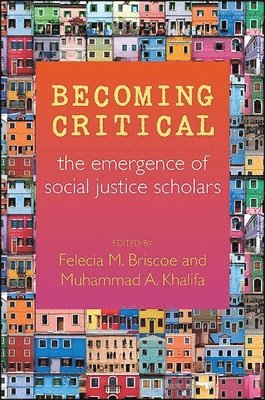
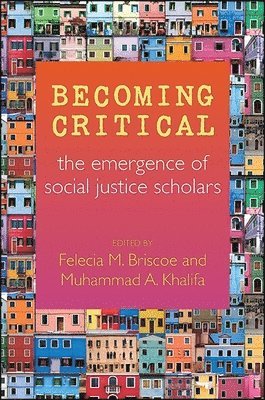
Presents the key experiences of a diverse group of teachers and students in their journeys of becoming social justice educator/scholars.This innovative book is a collection of autoethnographies by a diverse group of contributors who describe and theorize about the critical moments in their development as social justice educator/scholars in the face of colonizing forces. Using a rhizomatic approach, the editors' meta-analysis identifies patterns of similarity and differences and theorizes about the exercise of agency in resistance and identity formation. In our increasingly diverse society, Becoming Critical is a wonderful resource for teacher education and sociology of education as it presents an alternative methodological approach for qualitative inquiry. The book contributes to students' understanding of the development of critical theories-especially as they pertain to identities. The contributors make use of the work of critical scholars such as Collins, hooks, Weber, Foucault, and others relevant to the lives of students and educators today.
1 027 kr
Tillfälligt slut
Presents the key experiences of a diverse group of teachers and students in their journeys of becoming social justice educator/scholars.This innovative book is a collection of autoethnographies by a diverse group of contributors who describe and theorize about the critical moments in their development as social justice educator/scholars in the face of colonizing forces. Using a rhizomatic approach, the editors' meta-analysis identifies patterns of similarity and differences and theorizes about the exercise of agency in resistance and identity formation. In our increasingly diverse society, Becoming Critical is a wonderful resource for teacher education and sociology of education as it presents an alternative methodological approach for qualitative inquiry. The book contributes to students' understanding of the development of critical theories-especially as they pertain to identities. The contributors make use of the work of critical scholars such as Collins, hooks, Weber, Foucault, and others relevant to the lives of students and educators today.