Felicity Colman - Böcker
Visar alla böcker från författaren Felicity Colman. Handla med fri frakt och snabb leverans.
5 produkter
5 produkter
184 kr
Skickas inom 7-10 vardagar
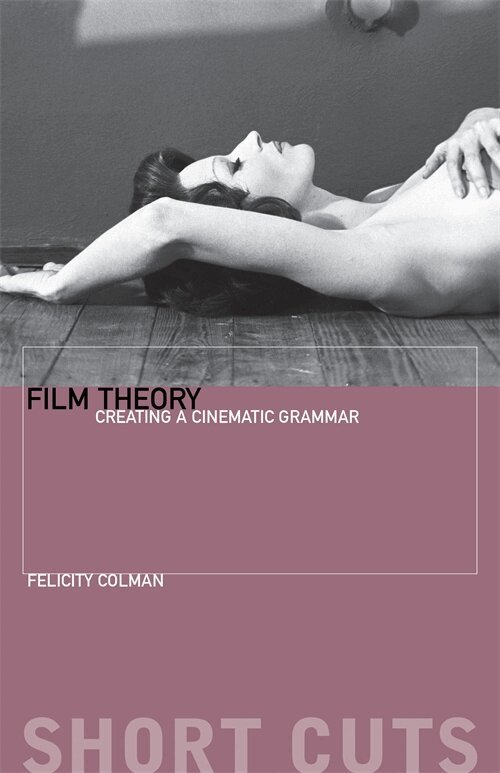
Film Theory addresses the core concepts and arguments created or used by academics, critical film theorists, and filmmakers, including the work of Dudley Andrew, Raymond Bellour, Mary Ann Doane, Miriam Hansen, bell hooks, Siegfried Kracauer, Raul Ruiz, P. Adams Sitney, Bernard Stiegler, and Pier Paolo Pasolini. This volume takes the position that film theory is a form of writing that produces a unique cinematic grammar; and like all grammars, it forms part of the system of rules that govern a language, and is thus applicable to wider range of media forms. In their creation of authorial trends, identification of the technology of cinema as a creative force, and production of films as aesthetic markers, film theories contribute an epistemological resource that connects the technologies of filmmaking and film composition. This book explores these connections through film theorisations of processes of the diagrammatisation (the systems, methodologies, concepts, histories) of cinematic matters of the filmic world.
2 511 kr
Skickas inom 3-6 vardagar
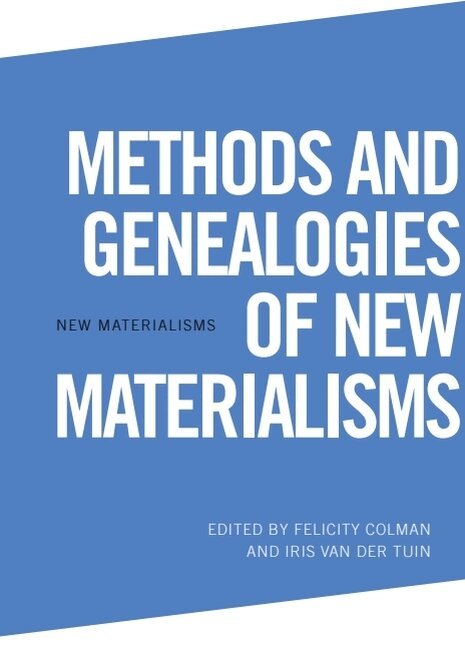
This cumulative work brings together a range of research communities to contextualize and archive over a decade of work in new materialist theorising and knowledge-making practice. Combining a reflective genealogical approach along with productive avenues for future research, this volume is an essential collection for the field of new and feminist materialism.The collection uses the new materialist movements in thought of changing, intersecting, practicing and transforming. As methods, these movements have engendered the metaphysical questions that different new and feminist materialist practices engage. The volume follows these four movements for genealogical, interdisciplinary, arts-based and politics-orienting research in four parts, each of which is preceded by an introductory framing-essay. Rosi Braidotti’s preface provides revelatory mappings to bring the book together and curated panels further offer co-authored texts which practise the collective nature of academic thinking advocated by the feminist new materialisms network.
2 091 kr
Skickas inom 10-15 vardagar
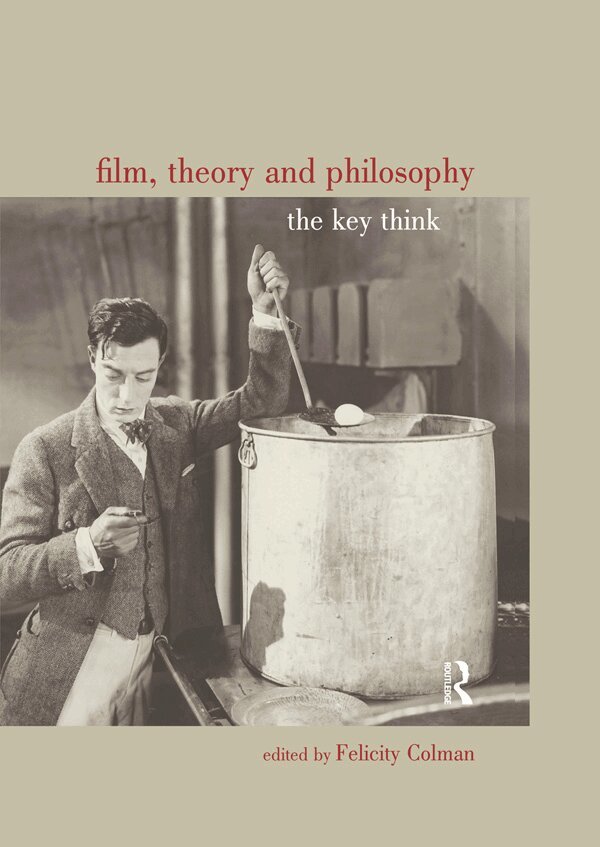
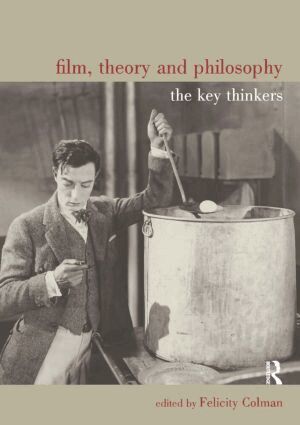
Philosophy, and in particular continental philosophy, has provided a conceptual underpinning for cinema since its beginnings, especially in the development of cinematic aesthetics. In its turn, film has rethought the abstractions of space and time and the categories of sex and gender and has created new concepts which illuminate phenomenology, metaphysics and epistemology. "Film and Philosophy" brings together leading scholars to provide a detailed overview of the key thinkers who have shaped the field of film philosophy. The thinkers include continental and 'post-continental' philosophers, analytic philosophers, film-makers, film reviewers, sociologists, and cultural theorists.The essays reveal how philosophy can be applied to film analysis and how film can be used to illustrate philosophical problems. But more importantly, the essays explore how film has shaped what philosophy thinks and how philosophy has lead to a reappraisal of film. The book will prove an invaluable reference and guide to readers interested in a deeper understanding of the issues and insights presented by film philosophy." Film and Philosophy" includes essays on: Hugo Munsterberg, Vilem Flusser, Siegfried Kracauer, Theodor Adorno, Antonin Artaud, Henri Bergson, Maurice Merleau-Ponty, Emmanuel Levinas, Andre Bazin, Roland Barthes, Serge Daney, Jean-Luc Godard, Stanley Cavell, Jean-Luc Nancy, Jacques Derrida, Gilles Deleuze, Sarah Kofman, Paul Virilio, Jean Baudrillard, Jean-Francois Lyotard, Fredric Jameson, Felix Guattari, Raymond Bellour, Christian Metz, Julia Kristeva, Laura Mulvey, Homi Bhabha, Slavoj Zizek, Stephen Heath, Alain Badiou, Jacques Ranciere, Leo Bersani, Giorgio Agamben, and Michel Chion.
577 kr
Skickas inom 10-15 vardagar
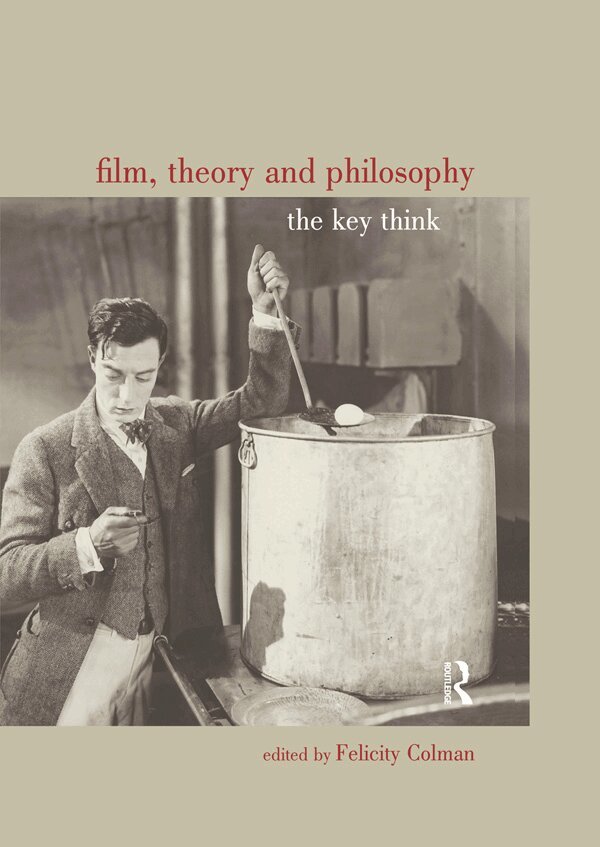
Philosophy, and in particular continental philosophy, has provided a conceptual underpinning for cinema since its beginnings, especially in the development of cinematic aesthetics. In its turn, film has rethought the abstractions of space and time and the categories of sex and gender and has created new concepts which illuminate phenomenology, metaphysics and epistemology. "Film and Philosophy" brings together leading scholars to provide a detailed overview of the key thinkers who have shaped the field of film philosophy. The thinkers include continental and 'post-continental' philosophers, analytic philosophers, film-makers, film reviewers, sociologists, and cultural theorists.The essays reveal how philosophy can be applied to film analysis and how film can be used to illustrate philosophical problems. But more importantly, the essays explore how film has shaped what philosophy thinks and how philosophy has lead to a reappraisal of film. The book will prove an invaluable reference and guide to readers interested in a deeper understanding of the issues and insights presented by film philosophy." Film and Philosophy" includes essays on: Hugo Munsterberg, Vilem Flusser, Siegfried Kracauer, Theodor Adorno, Antonin Artaud, Henri Bergson, Maurice Merleau-Ponty, Emmanuel Levinas, Andre Bazin, Roland Barthes, Serge Daney, Jean-Luc Godard, Stanley Cavell, Jean-Luc Nancy, Jacques Derrida, Gilles Deleuze, Sarah Kofman, Paul Virilio, Jean Baudrillard, Jean-Francois Lyotard, Fredric Jameson, Felix Guattari, Raymond Bellour, Christian Metz, Julia Kristeva, Laura Mulvey, Homi Bhabha, Slavoj Zizek, Stephen Heath, Alain Badiou, Jacques Ranciere, Leo Bersani, Giorgio Agamben, and Michel Chion.
455 kr
Skickas inom 7-10 vardagar
Gilles Deleuze published two radical books on film: Cinema 1: The Movement-Image and Cinema 2: The Time-Image. Engaging with a wide range of film styles, histories and theories, Deleuze's writings treat film as a new form of philosophy. This ciné-philosophy offers a startling new way of understanding the complexities of the moving image, its technical concerns and constraints as well as its psychological and political outcomes.Deleuze and Cinema presents a step-by-step guide to the key concepts behind Deleuze's revolutionary theory of the cinema. Exploring ideas through key directors and genres, Deleuze's method is illustrated with examples drawn from American, British, continental European, Russian and Asian cinema.Deleuze and Cinema provides the first introductory guide to Deleuze's radical methodology for screen analysis. It will be invaluable for students and teachers of Film, Media and Philosophy.