Felicity Haynes - Böcker
Visar alla böcker från författaren Felicity Haynes. Handla med fri frakt och snabb leverans.
4 produkter
4 produkter
721 kr
Skickas inom 10-15 vardagar
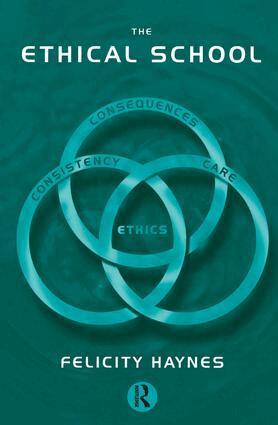
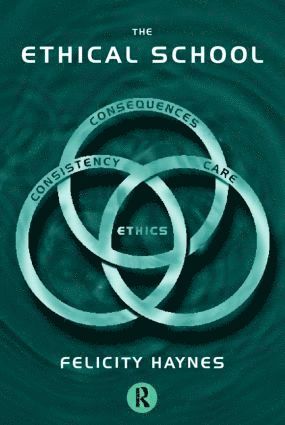
Conflicts often arise between regulations, making it difficult for school management teams and teachers to resolve situations with appropriate dignity and respect for all concerned. This book discusses provocative actual case studies to help teachers to reflect on their own ethics, guiding them to make more reasonable decisions in their schools, and thereby gradually transforming schools into more cohesive and caring communities. A model of consequences, consistency and caring, each aspect based on traditional ethical theories provides a scientific base - a rational and a responsive base for ethical decision-making. This work covers such everyday problems as censorship, inclusivity, school uniform, punishment, personal gain and confidentiality, and argues that care and respect for others, equity, rational autonomy and concern for long-term benefits are more important for a school community than short-term power and control.
2 037 kr
Skickas inom 10-15 vardagar
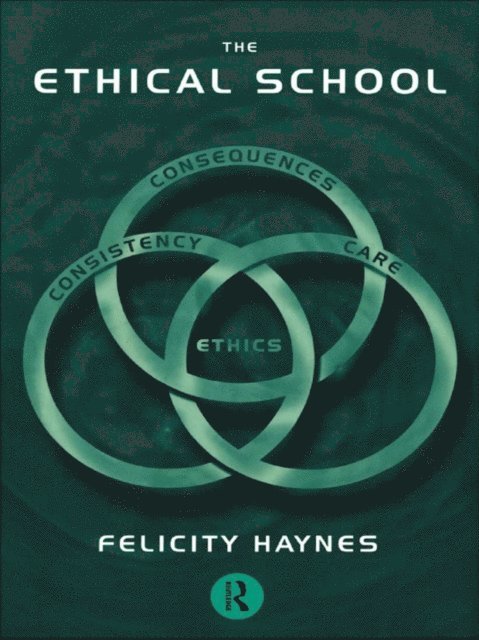
Conflicts often arise between regulations, making it difficult for school management teams and teachers to resolve situations with appropriate dignity and respect for all concerned. This book discusses provocative actual case studies to help teachers to reflect on their own ethics, guiding them to make more reasonable decisions in their schools, and thereby gradually transforming schools into more cohesive and caring communities. A model of consequences, consistency and caring, each aspect based on traditional ethical theories provides a scientific base - a rational and a responsive base for ethical decision-making. This work covers such everyday problems as censorship, inclusivity, school uniform, punishment, personal gain and confidentiality, and argues that care and respect for others, equity, rational autonomy and concern for long-term benefits are more important for a school community than short-term power and control.
465 kr
Skickas inom 10-15 vardagar
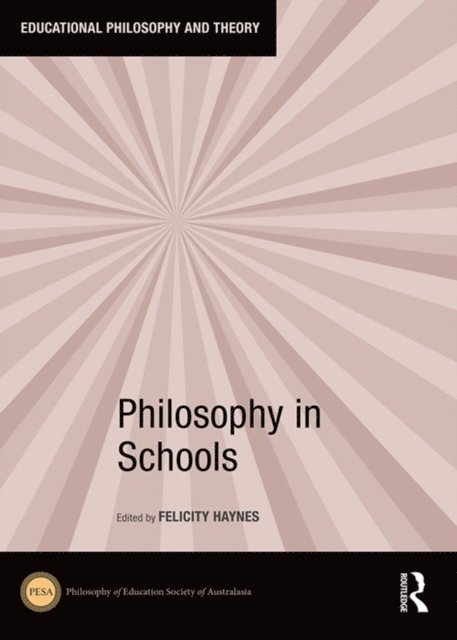
In 1972, Matthew Lipman founded the Institute of Advancement for Philosophy for Children (IAPC), producing a series of novels and teaching manuals promoting philosophical inquiry at all levels of schooling. The programme consisted of stories about children discussing traditional topics of ethics, values, logic, reality, perception, and politics, as they related to their own daily experiences. Philosophy for Children has been adapted beyond the IAPC texts, but the process remains one of an open community of inquiry in which teachers promote respect, conceptual clarity, critical judgement, and active listening without imposing their own ideas. Philosophy in Schools describes the successes and difficulties in implementing this community of inquiry model. The book covers topics including the formation of non-didactic courses in ethics, the difficulties of fitting a post-compulsory philosophy course into a standard curriculum framework, and the political assumptions of adopting this model in a low socio-economic school. The contributions also ask deeper questions about how a genuine community of inquiry model is incompatible with conventional models of schooling, with their positioning of the discipline of philosophy in the curriculum. This book was originally published as a special issue of Educational Philosophy and Theory.
1 287 kr
Skickas inom 10-15 vardagar
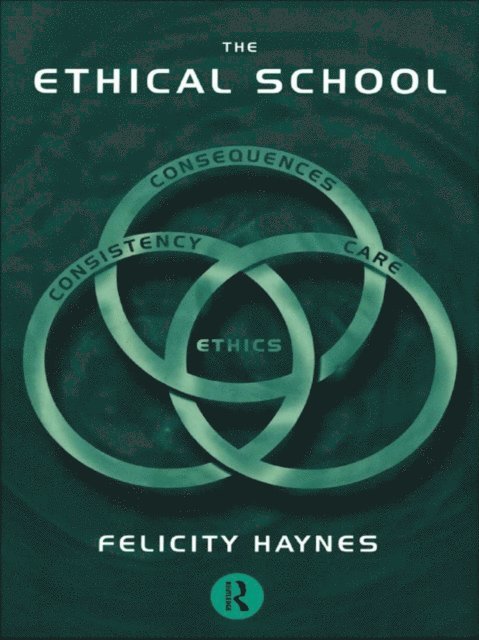
In 1972, Matthew Lipman founded the Institute of Advancement for Philosophy for Children (IAPC), producing a series of novels and teaching manuals promoting philosophical inquiry at all levels of schooling. The programme consisted of stories about children discussing traditional topics of ethics, values, logic, reality, perception, and politics, as they related to their own daily experiences. Philosophy for Children has been adapted beyond the IAPC texts, but the process remains one of an open community of inquiry in which teachers promote respect, conceptual clarity, critical judgement, and active listening without imposing their own ideas. Philosophy in Schools describes the successes and difficulties in implementing this community of inquiry model. The book covers topics including the formation of non-didactic courses in ethics, the difficulties of fitting a post-compulsory philosophy course into a standard curriculum framework, and the political assumptions of adopting this model in a low socio-economic school. The contributions also ask deeper questions about how a genuine community of inquiry model is incompatible with conventional models of schooling, with their positioning of the discipline of philosophy in the curriculum. This book was originally published as a special issue of Educational Philosophy and Theory.