Felix M. Padilla – författare
Visar alla böcker från författaren Felix M. Padilla. Handla med fri frakt och snabb leverans.
7 produkter
7 produkter
Inbunden, Engelska, 1985
905 kr
Skickas inom 3-6 vardagar
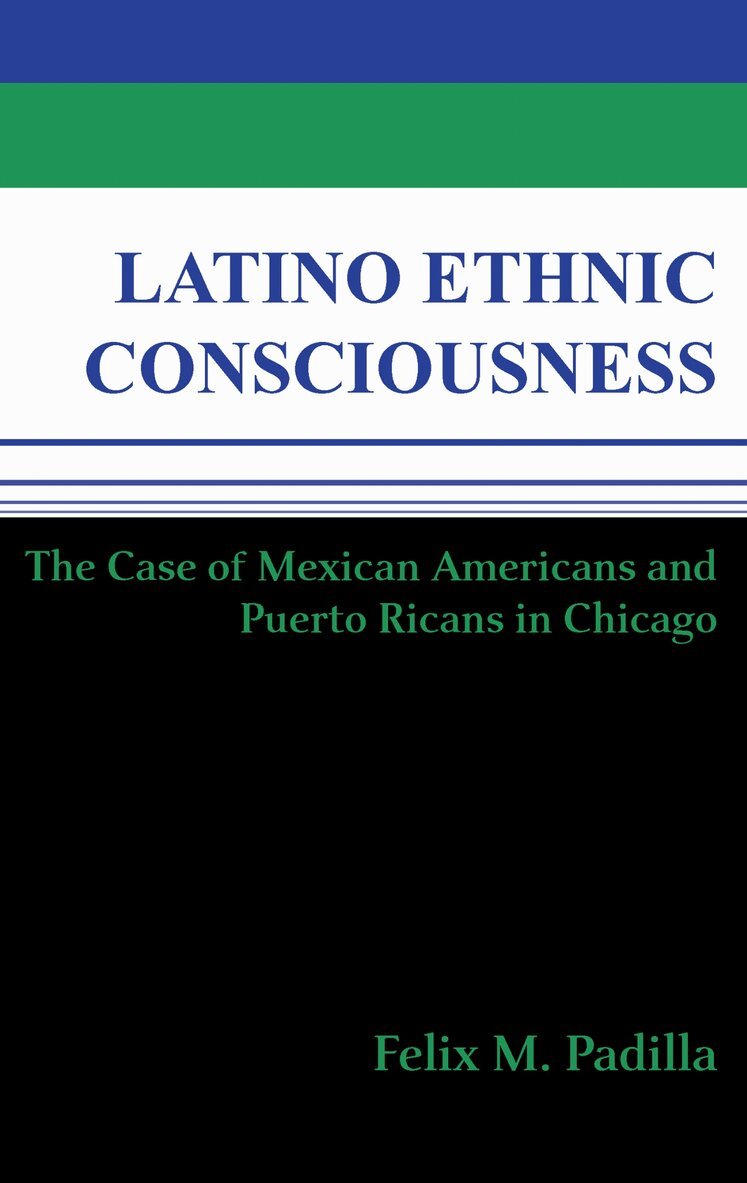
Focusing on Mexican-American and Puerto Rican populations in Chicago, Latino Ethnic Consciousness documents the development of a collective Hispanic or Latino ethnic identity, distinct and separate from the national and cultural affiliations of Spanish-speaking groups. Author Felix Padilla explores the internal dynamics and external conditions, which have prompted this move past individual group boundaries to a broader ethnic identity.According to Padilla, the Latino ethnic identity develops from the cultural and structural similarities of two or more Spanish-speaking groups and often in response to common experiences of social inequality. In that ethnic identities have to a large extent been encouraged by the division of the labor market in America's industrial society, he argues that the Latino consciousness represents a situational ethnic identity which functions according to the needs of the groups. He describes how such conditions as poverty and racial discrimination have necessitated the assertion of a broader Latino ethnic consciousness and behavior, often more successful in social action than individual cultural or national associations.In case studies from the early 70s, Padilla examines Affirmative Action, the Spanish Coalition for Jobs—spurred by activist Hector Franco—and the Latino Institute, and their influence on the growth of Latino solidarity and mobilization in Chicago.In refining the concept of Latino and Hispanic and establishing its significance in society, Latino Ethnic Consciousness serves as an analytic framework for further study of ethnic change in America.
Häftad, Engelska, 1985
271 kr
Skickas inom 10-15 vardagar
Focusing on Mexican-American and Puerto Rican populations in Chicago, Latino Ethnic Consciousness documents the development of a collective Hispanic or Latino ethnic identity, distinct and separate from the national and cultural affiliations of Spanish-speaking groups. Author Felix Padilla explores the internal dynamics and external conditions, which have prompted this move past individual group boundaries to a broader ethnic identity.According to Padilla, the Latino ethnic identity develops from the cultural and structural similarities of two or more Spanish-speaking groups and often in response to common experiences of social inequality. In that ethnic identities have to a large extent been encouraged by the division of the labor market in America's industrial society, he argues that the Latino consciousness represents a situational ethnic identity which functions according to the needs of the groups. He describes how such conditions as poverty and racial discrimination have necessitated the assertion of a broader Latino ethnic consciousness and behavior, often more successful in social action than individual cultural or national associations.In case studies from the early 70s, Padilla examines Affirmative Action, the Spanish Coalition for Jobs—spurred by activist Hector Franco—and the Latino Institute, and their influence on the growth of Latino solidarity and mobilization in Chicago.In refining the concept of Latino and Hispanic and establishing its significance in society, Latino Ethnic Consciousness serves as an analytic framework for further study of ethnic change in America.
Häftad, Engelska, 1997
349 kr
Skickas inom 10-15 vardagar
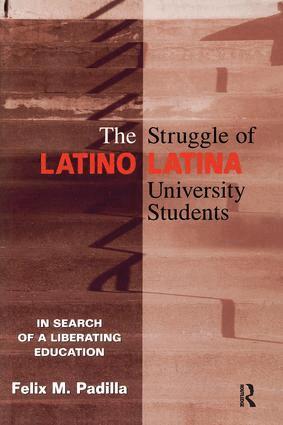
Based on a three-year ethnographic study of a class on the sociology of Latino/a society, this book tells the story of how the students navigated academic life in a predominantly white university to construct their own education. Padilla weaves together journal entries, his own experiences in education, cultural analysis, and theory to create a rich narrative.
Häftad, Engelska, 1992
343 kr
Skickas inom 5-8 vardagar
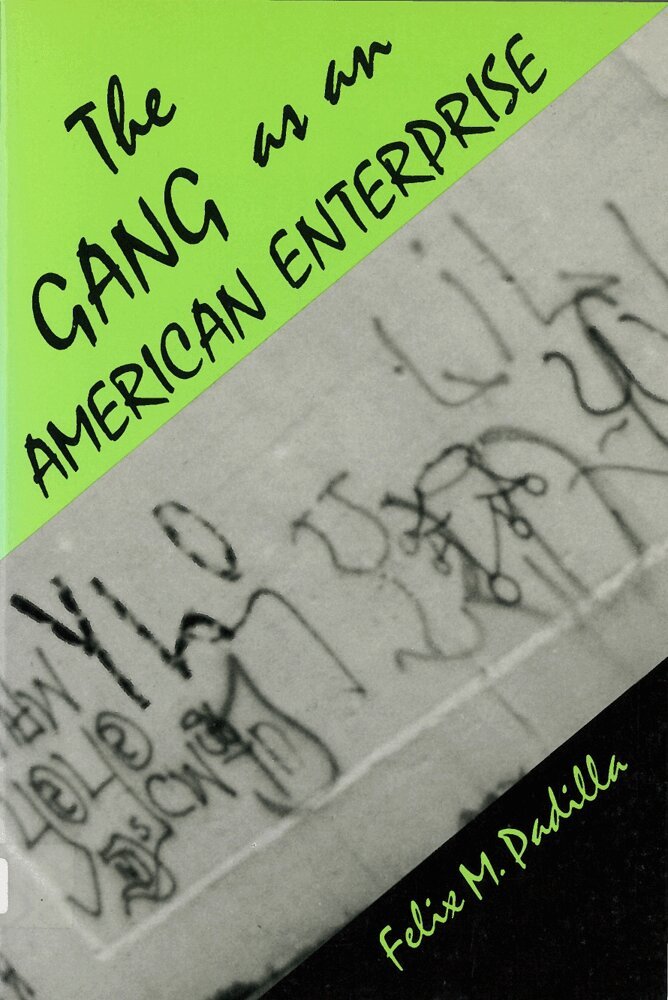
The Diamonds are a Chicago Street gang whose members are second-generation Puerto Rican youths. For Felix Padilla, the young men who join the Diamonds have made a logical choice. The gang is an alternative and dependable route to emotional support, self-respect, material goods, and upward mobility. Although Padilla shares the same ethnic background as the gang members and also grew up in a Chicago barrio, gaining the trust of the Diamonds was not easy. Eventually, however, he was able to get close enough to the members to interview and observe them.Padilla shows us his decision to join the Diamonds. From early childhood, boys develop positive images of the gang. They realize that the dominant culture promises mobility, but that their paths to that mobility are blocked. By joining a gang they can creatively oppose the dominant culture. Padilla does not paint a romanticized picture of the Diamonds. Some members come to understand that when they sell drugs, they benefit the gang's leaders and suppliers more than themselves. Further, they recognize that the gang is also subject to problems of domination and inequality. Padilla shows that though the Diamonds are sometimes violent, they are not psychopaths. While we need not approve of what they do, he urges us to understand it as a rational response to the doors these young men see closed around them.
406 kr
Läs direkt efter köp
Based on a three-year ethnographic study of a class on the sociology of Latino/a society, this book tells the story of how the students navigated academic life in a predominantly white university to construct their own education. Padilla weaves together journal entries, his own experiences in education, cultural analysis, and theory to create a ric
E-bok
PDF, Engelska, 1997406 kr
Läs direkt efter köp
Based on a three-year ethnographic study of a class on the sociology of Latino/a society, this book tells the story of how the students navigated academic life in a predominantly white university to construct their own education. Padilla weaves together journal entries, his own experiences in education, cultural analysis, and theory to create a ric
Inbunden, Engelska, 1997
647 kr
Tillfälligt slut
Based on a three-year ethnographic study of a class on the sociology of Latino/a society, this book tells the story of how the students navigated academic life in a predominantly white university to construct their own education. Padilla weaves together journal entries, his own experiences in education, cultural analysis, and theory to create a rich narrative.