Ferin Davis Anderson – författare
Visar alla böcker från författaren . Handla med fri frakt och snabb leverans.
6 produkter
6 produkter
Inbunden, Engelska, 2024
572 kr
Skickas inom 3-6 vardagar
E-bok
PDF, Engelska, 2024789 kr
Läs direkt efter köp
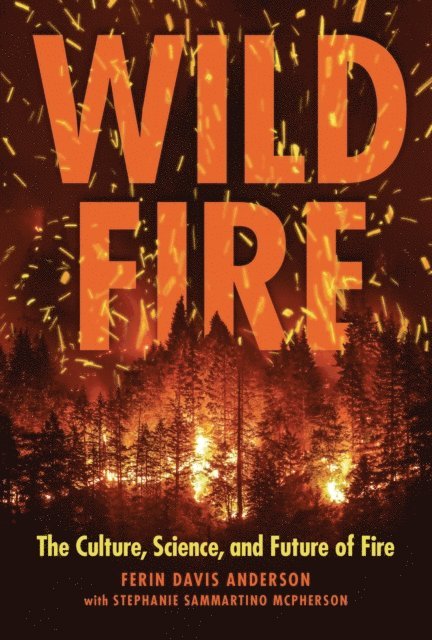
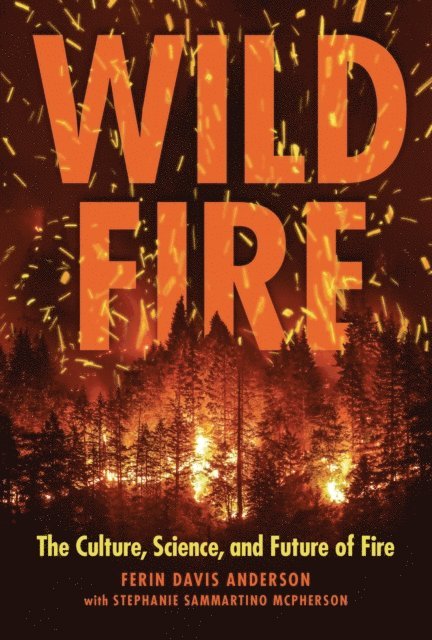
“Fire is part of nature. It’s just like the rain, the sunrise each day. It’s a natural occurrence, a part of nature necessary to complete lifecycles of different plants and animals.” –John Waconda, director of the Nature Conservancy’s Indigenous Partnerships Program“Every time you put a fire out, you’re just postponing it. You just increase the actual fuel load that is out there, so when it does happen you get these massive megafire events.” –Malcolm North, fire ecologist“Climate change is creating the perfect conditions for larger, more intense wildfires.” –Robert Scheller, professor of landscape ecology and associate dean of research at North Carolina State University Wildfire is a natural process that takes place worldwide. In dry conditions, a single spark can transform into a megafire that sweeps across the landscape, burning everything in its path. Despite fire’s deadly reputation, ecosystems such as forests and grasslands depend on it to clear out debris and promote new plant growth.Environmental scientist Ferin Davis Anderson and author Stephanie Sammartino McPherson examine how Indigenous people, farmers, and forestry departments have used fire to manage natural resources and how human development and climate change are impacting the frequency and intensity of wildfires. By delving into how fires start and burn, fire suppression and firefighting, and the ecological importance of burns, they explore people’s long relationship with fire and reflect on fire’s regenerative benefits and destructive capabilities alike. Discover the history of large-scale fire and what its future may look like in Wildfire.
Häftad, Engelska, 2026
195 kr
Skickas inom 7-10 vardagar
Inbunden, Engelska, 2026
506 kr
Kommande
E-bok
PDF, Engelska, 2026529 kr
Läs direkt efter köp
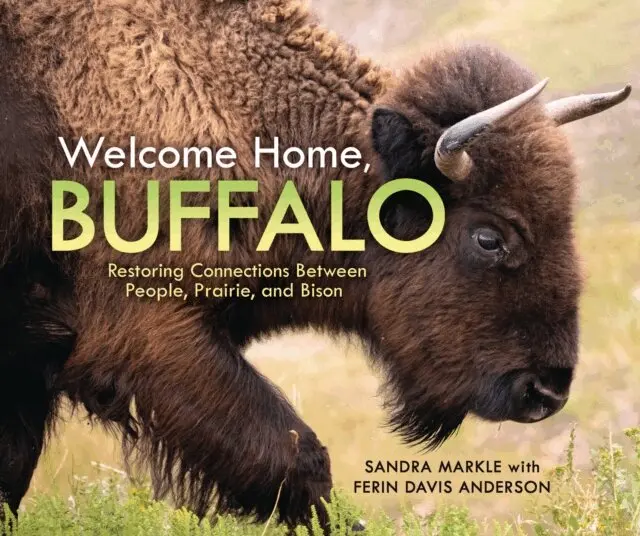
The American bison is a national symbol-and at the end of the 1800s, these animals nearly went extinct. Discover how the lives of buffalo, Indigenous people, and the North American prairie have long been intertwined. And find out how all three were harmed by a massive effort to slaughter buffalo. Despite the challenges, this is ultimately a hopeful story, highlighting those who have worked to protect bison, grow their numbers, and establish protected areas for them to roam. Along with recounting historical and scientific information, the book incorporates the perspective of Indigenous environmental scientist Ferin Davis Anderson.
E-bok
Engelska, 2024172 kr
Läs direkt efter köp
"Fire is part of nature. It''s just like the rain, the sunrise each day. It''s a natural occurrence, a part of nature necessary to complete lifecycles of different plants and animals." –John Waconda, director of the Nature Conservancy''s Indigenous Partnerships Program"Every time you put a fire out, you''re just postponing it. You just increase the actual fuel load that is out there, so when it does happen you get these massive megafire events." –Malcolm North, fire ecologist"Climate change is creating the perfect conditions for larger, more intense wildfires." –Robert Scheller, professor of landscape ecology and associate dean of research at North Carolina State UniversityWildfire is a natural process that takes place worldwide. In dry conditions, a single spark can transform into a megafire that sweeps across the landscape, burning everything in its path. Despite fire''s deadly reputation, ecosystems such as forests and grasslands depend on it to clear out debris and promote new plant growth.Environmental scientist Ferin Davis Anderson and author Stephanie Sammartino McPherson examine how Indigenous people, farmers, and forestry departments have used fire to manage natural resources and how human development and climate change are impacting the frequency and intensity of wildfires. By delving into how fires start and burn, fire suppression and firefighting, and the ecological importance of burns, they explore people''s long relationship with fire and reflect on fire''s regenerative benefits and destructive capabilities alike. Discover the history of large-scale fire and what its future may look like in Wildfire.