Fernando Guedes – författare
Visar alla böcker från författaren Fernando Guedes. Handla med fri frakt och snabb leverans.
6 produkter
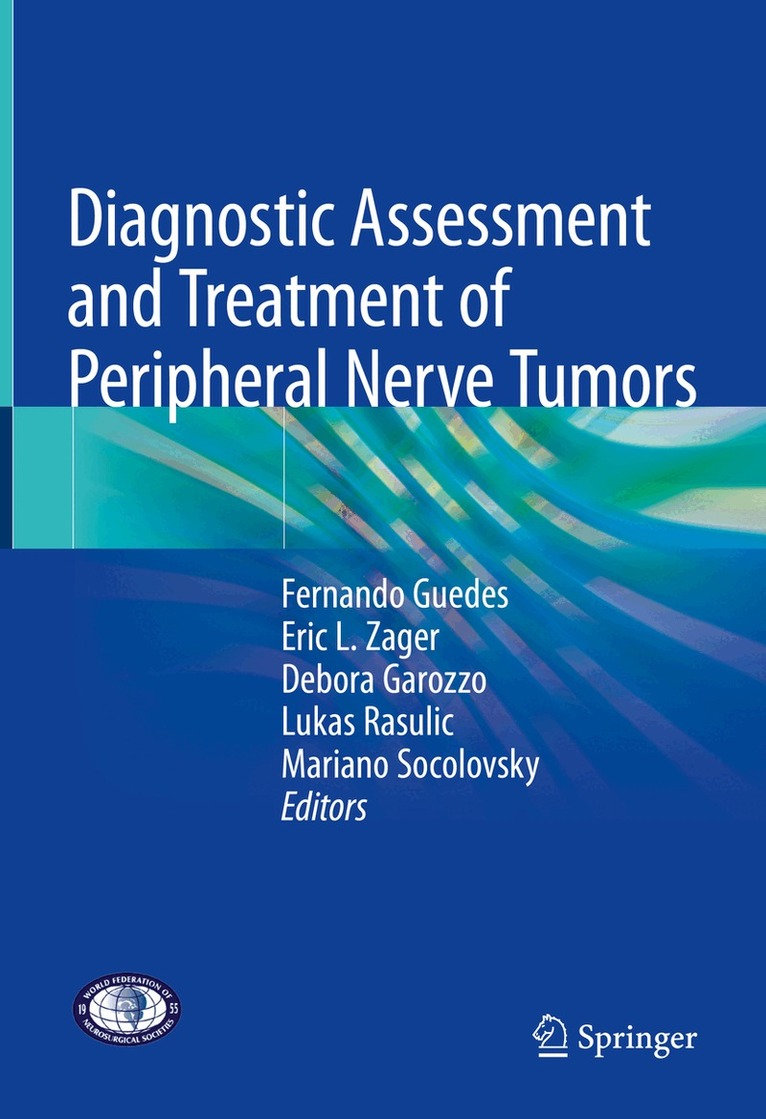
Diagnostic Assessment and Treatment of Peripheral Nerve Tumors
Av Fernando Guedes, Eric L. Zager m. fl.
Inbunden, 2021
1917 kr
Lägg i varukorg
Tumors involving peripheral nerves may be extremely challenging lesions to diagnose and treat. In order to optimize their management, physicians should have a thorough knowledge of peripheral nerve anatomy and pathology (both gross and microscopic), as well as familiarity with microsurgical …
Diagnostic Assessment and Treatment of Peripheral Nerve Tumors
Av Mariano Socolovsky, Lukas Rasulic m. fl.
E-bok, 2021
1798 kr
Lägg i varukorg
Tumors involving peripheral nerves may be extremely challenging lesions to diagnose and treat. In order to optimize their management, physicians should have a thorough knowledge of peripheral nerve anatomy and pathology (both gross and microscopic), as well as familiarity with microsurgical …
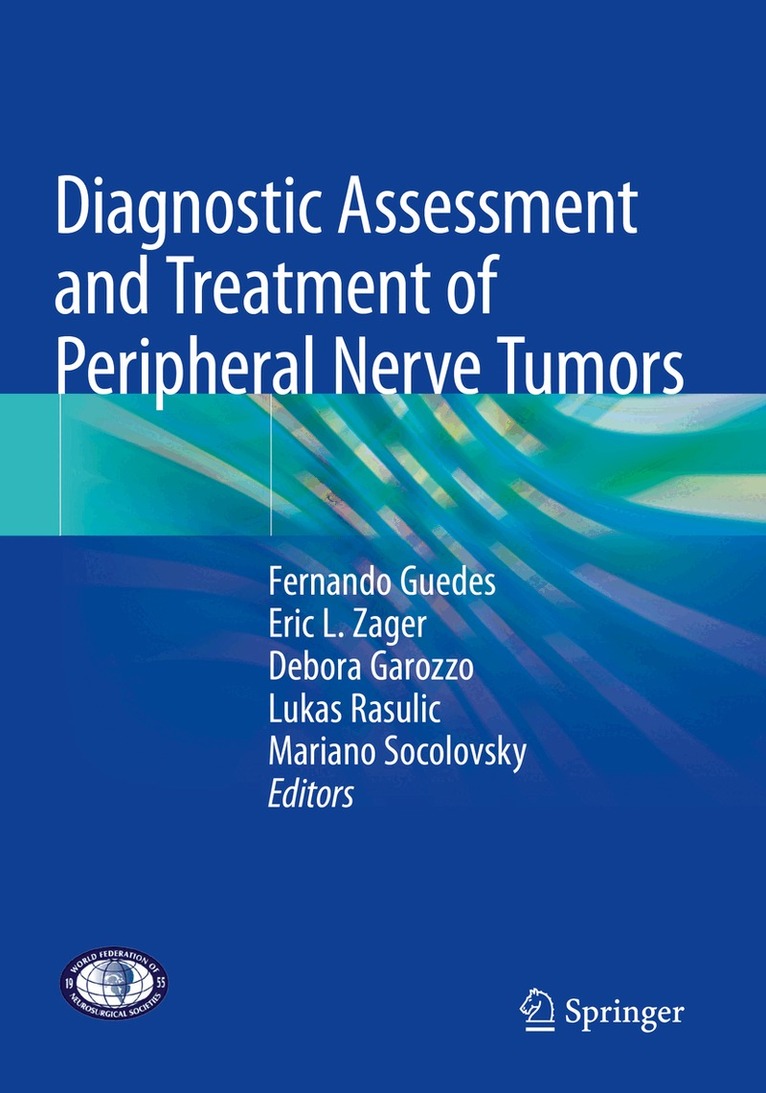
Diagnostic Assessment and Treatment of Peripheral Nerve Tumors
Av Fernando Guedes, Eric L. Zager m. fl.
Häftad, 2022
1355 kr
Lägg i varukorg
Tumors involving peripheral nerves may be extremely challenging lesions to diagnose and treat. In order to optimize their management, physicians should have a thorough knowledge of peripheral nerve anatomy and pathology (both gross and microscopic), as well as familiarity with microsurgical …
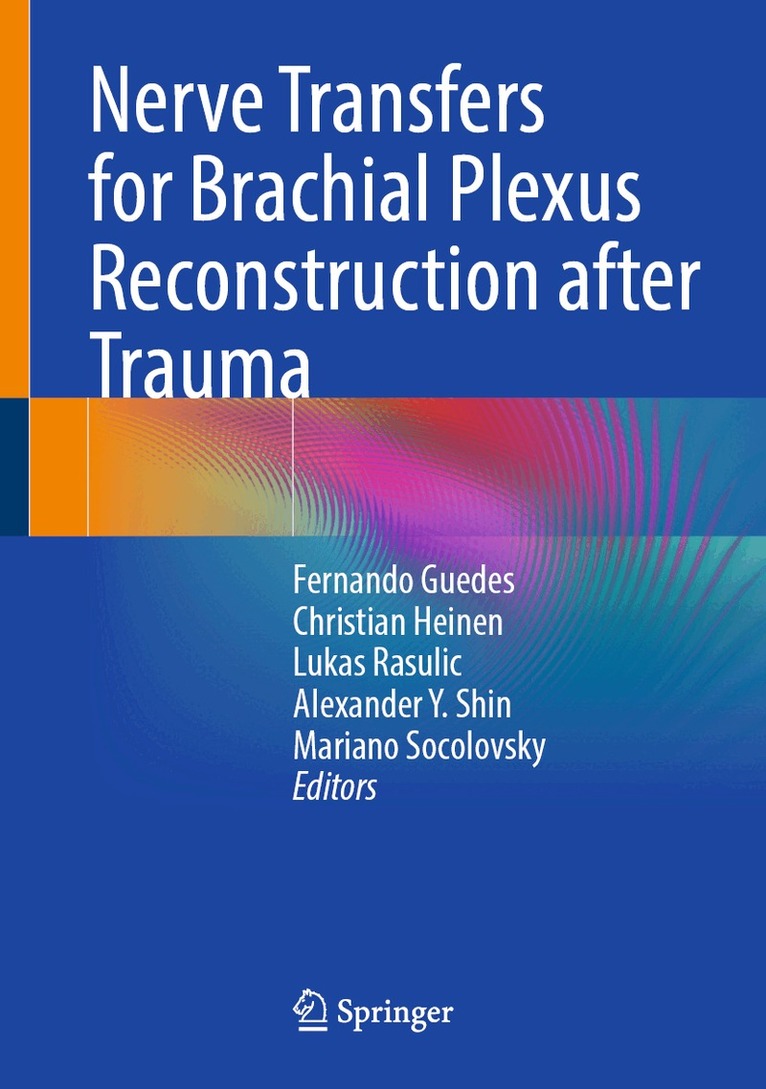
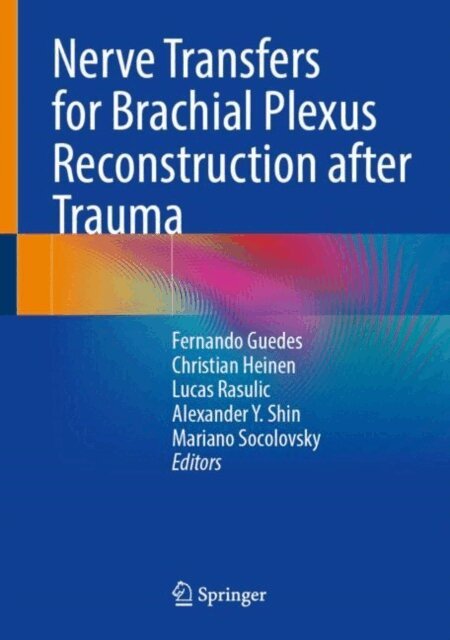
Nerve Transfers for Brachial Plexus Reconstruction after Trauma
Av Fernando Guedes, Christian Heinen m. fl.
Inbunden, 2025
1580 kr
Lägg i varukorg
Brachial plexus injury (BPI) is one of the most functionally devastating injuries, as it causes substantial debilitation and long-term difficulties in daily activities. The burden for the patient and the caregiver may arise not only from neurological disability but also from psychosocial and …
Nerve Transfers for Brachial Plexus Reconstruction after Trauma
Av Mariano Socolovsky, Alexander Y. Shin m. fl.
E-bok, 2025
2006 kr
Lägg i varukorg
Brachial plexus injury (BPI) is one of the most functionally devastating injuries, as it causes substantial debilitation and long-term difficulties in daily activities. The burden for the patient and the caregiver may arise not only from neurological disability but also from psychosocial and …
Nerve Transfers for Brachial Plexus Reconstruction after Trauma
Av Fernando Guedes, Christian Heinen m. fl.
Häftad, 2026
1131 kr
Lägg i varukorg
Brachial plexus injury (BPI) is one of the most functionally devastating injuries, as it causes substantial debilitation and long-term difficulties in daily activities. The burden for the patient and the caregiver may arise not only from neurological disability but also from psychosocial and …