Ferran Izquierdo Brichs – författare
Visar alla böcker från författaren Ferran Izquierdo Brichs. Handla med fri frakt och snabb leverans.
16 produkter
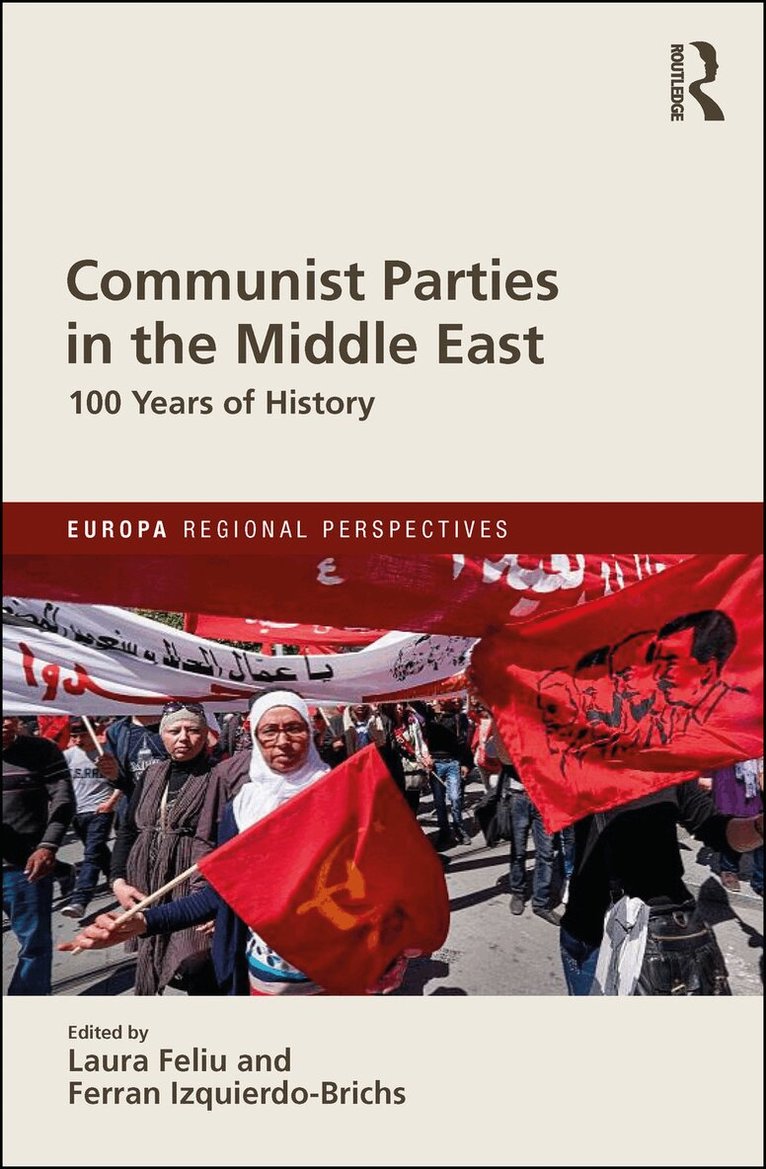
Communist Parties in the Middle East
100 Years of History
Av Laura Feliu, Ferran Izquierdo Brichs
Inbunden, 2019
2039 kr
Lägg i varukorg
Communist Parties in the Middle East: 100 Years of HistoryOne hundred years since the Russian Revolution, Communist parties have undergone great changes, in an evolution that has affected the entire Left and the social movements. Given that the impact of Communist parties and their evolution in the …
Political Regimes in the Arab World
Society and the Exercise of Power
Inbunden, 2012
2504 kr
Lägg i varukorg
One of the implications of Orientalism is that the Arab world, as a homogenous entity, is often analysed as an anomaly within the international system. This book argues that, despite their differences, societies across the globe ultimately construct their own history according to very similar …
Communist Parties in the Middle East
100 Years of History
Av Ferran Izquierdo Brichs, Laura Feliu
E-bok, 2019
695 kr
Lägg i varukorg
Communist Parties in the Middle East: 100 Years of History One hundred years since the Russian Revolution, Communist parties have undergone great changes, in an evolution that has affected the entire Left and the social movements. Given that the impact of Communist parties and their evolution in …
Communist Parties in the Middle East
100 Years of History
Av Ferran Izquierdo Brichs, Laura Feliu
E-bok, 2019
710 kr
Lägg i varukorg
Communist Parties in the Middle East: 100 Years of History One hundred years since the Russian Revolution, Communist parties have undergone great changes, in an evolution that has affected the entire Left and the social movements. Given that the impact of Communist parties and their evolution in …
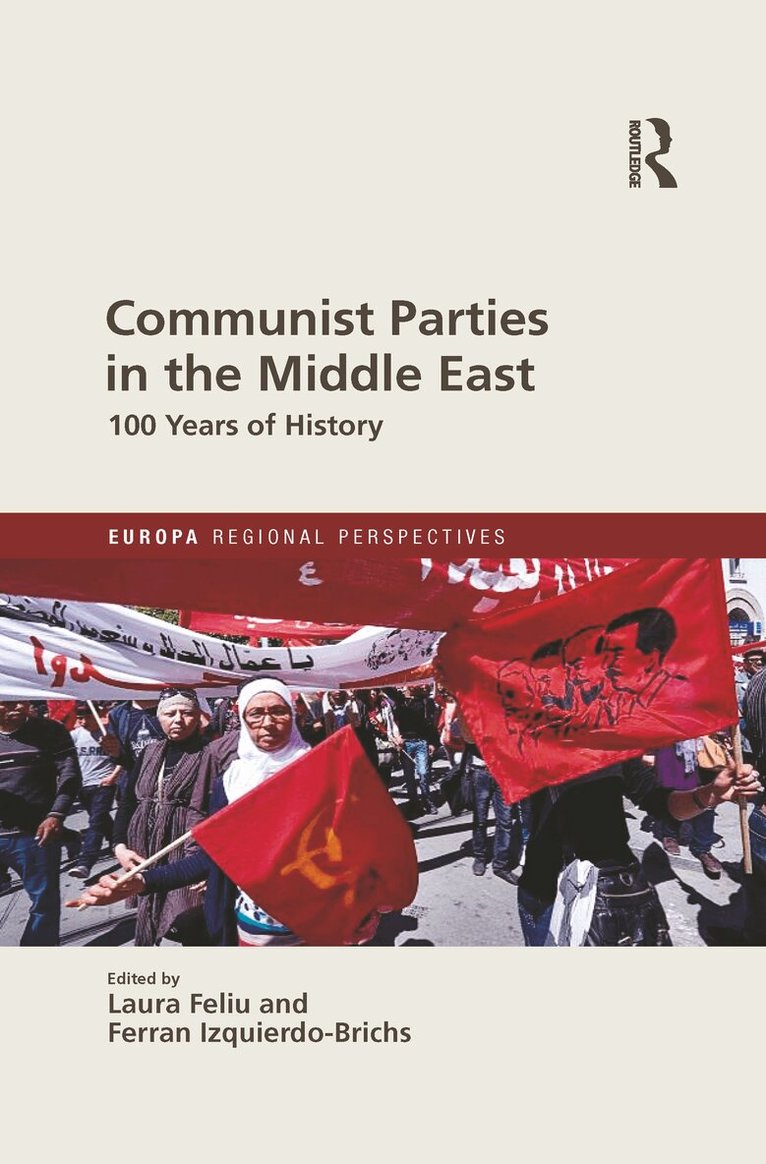
Communist Parties in the Middle East
100 Years of History
Av Laura Feliu, Ferran Izquierdo Brichs
Häftad, 2021
604 kr
Lägg i varukorg
Communist Parties in the Middle East: 100 Years of HistoryOne hundred years since the Russian Revolution, Communist parties have undergone great changes, in an evolution that has affected the entire Left and the social movements. Given that the impact of Communist parties and their evolution in the …
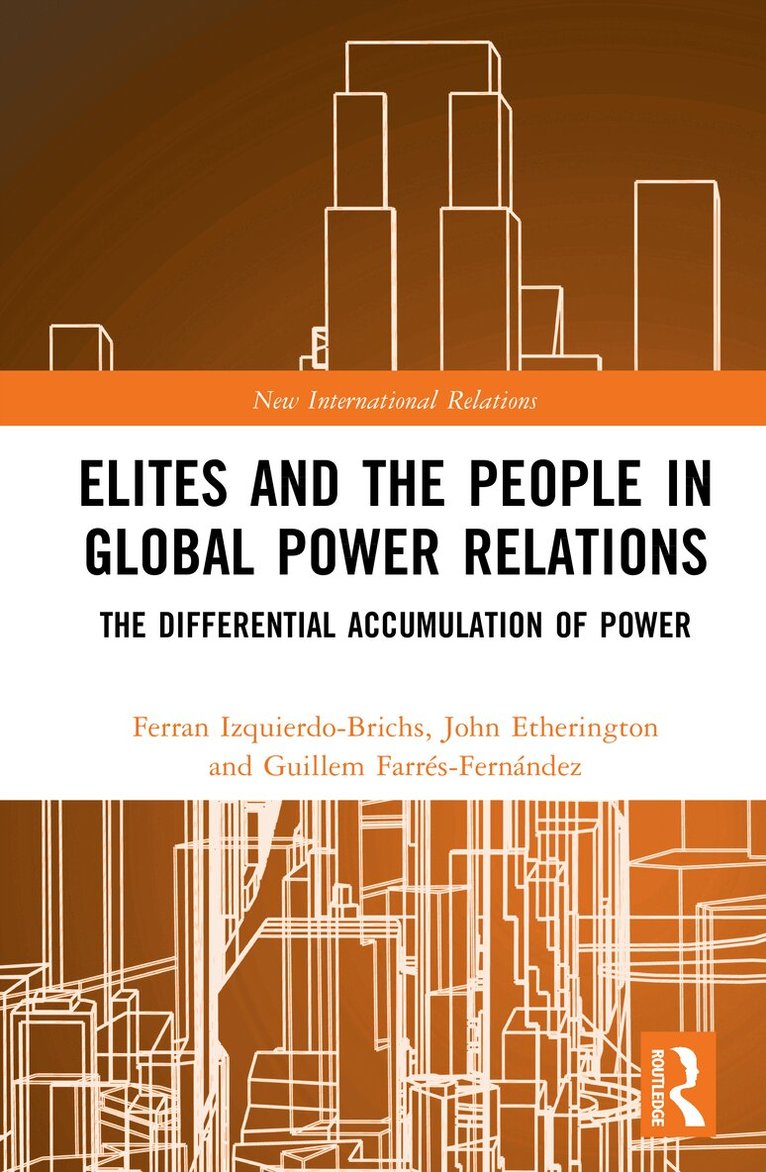
Elites and the People in Global Power Relations
The Differential Accumulation of Power
Av Ferran Izquierdo-Brichs, John Etherington m. fl.
Inbunden, 2026
2504 kr
Lägg i varukorg
Elites and the People in Global Power Relations challenges the conventional boundaries of international relations by introducing the differential accumulation of power (DAP) approach. At a time of systemic crisis and eroding democratic legitimacy, this book transcends traditional state-centric and …
Political Regimes in the Arab World
Society and the Exercise of Power
E-bok, 2012
883 kr
Lägg i varukorg
One of the implications of Orientalism is that the Arab world, as a homogenous entity, is often analysed as an anomaly within the international system. This book argues that, despite their differences, societies across the globe ultimately construct their own history according to very similar …
Political Regimes in the Arab World
Society and the Exercise of Power
E-bok, 2012
883 kr
Lägg i varukorg
One of the implications of Orientalism is that the Arab world, as a homogenous entity, is often analysed as an anomaly within the international system. This book argues that, despite their differences, societies across the globe ultimately construct their own history according to very similar …
Political Regimes in the Arab World
Society and the Exercise of Power
Häftad, 2017
747 kr
Lägg i varukorg
One of the implications of Orientalism is that the Arab world, as a homogenous entity, is often analysed as an anomaly within the international system. This book argues that, despite their differences, societies across the globe ultimately construct their own history according to very similar …
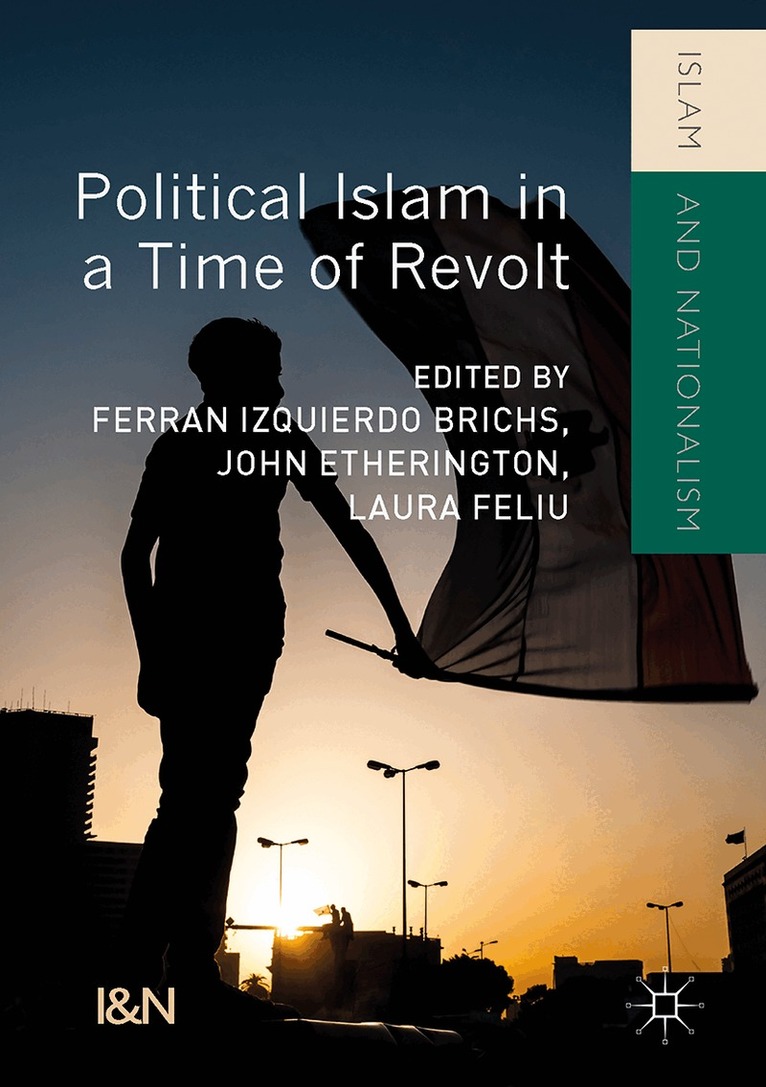
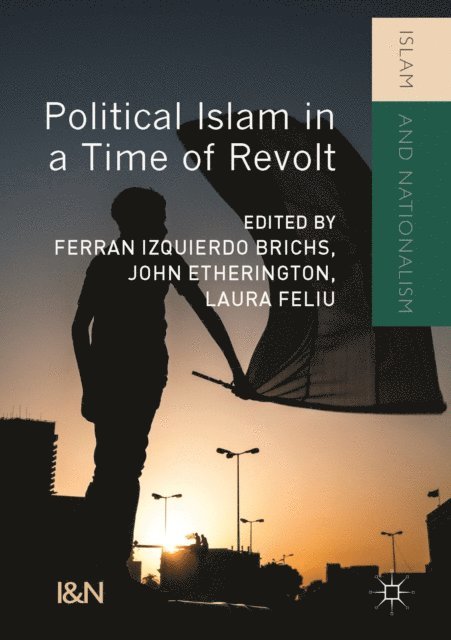
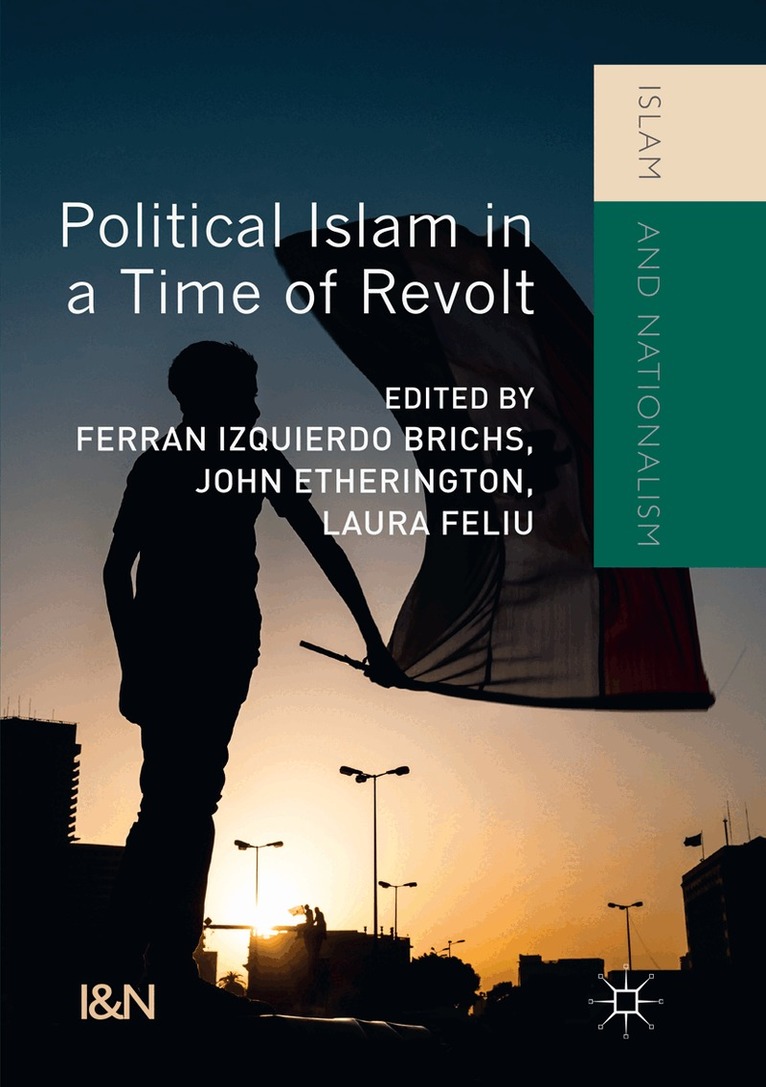
Political Islam in a Time of Revolt
Av Ferran Izquierdo Brichs, John Etherington m. fl.
Inbunden, 2017
1313 kr
Lägg i varukorg
This book explores the increasing political and social prominence of Islamist groups across the Middle East in recent years. The aftermath of the 2011 uprisings saw some groups access or even control political institutions through success at the ballot box, while there has also been a marked …
Political Islam in a Time of Revolt
Av Laura Feliu, John Etherington m. fl.
E-bok, 2017
1746 kr
Lägg i varukorg
This book explores the increasing political and social prominence of Islamist groups across the Middle East in recent years. The aftermath of the 2011 uprisings saw some groups access or even control political institutions through success at the ballot box, while there has also been a marked …
Political Islam in a Time of Revolt
Av Ferran Izquierdo Brichs, John Etherington m. fl.
Häftad, 2018
1313 kr
Lägg i varukorg
This book explores the increasing political and social prominence of Islamist groups across the Middle East in recent years. The aftermath of the 2011 uprisings saw some groups access or even control political institutions through success at the ballot box, while there has also been a marked …
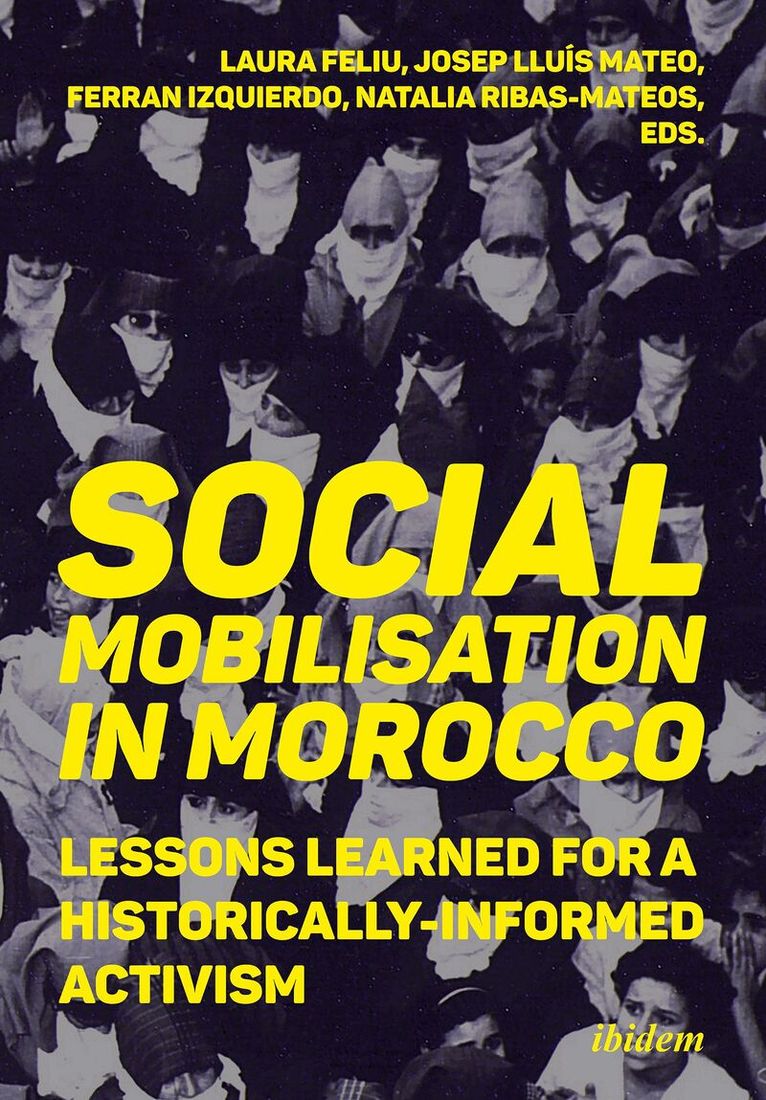
Social Mobilization in Morocco: Lessons Learned for a Historically Informed Activism
Av Laura Ribas-Mateos Feliu, Laura Feliu m. fl.
Häftad, 2022
528 kr
Lägg i varukorg
This collected volume investigates the ways in which historical training supports current activism and advocacy in global times by highlighting models of social activism and political representation in different parts of the world, with diverse social actions, strategies, and protest spaces.Morocco …
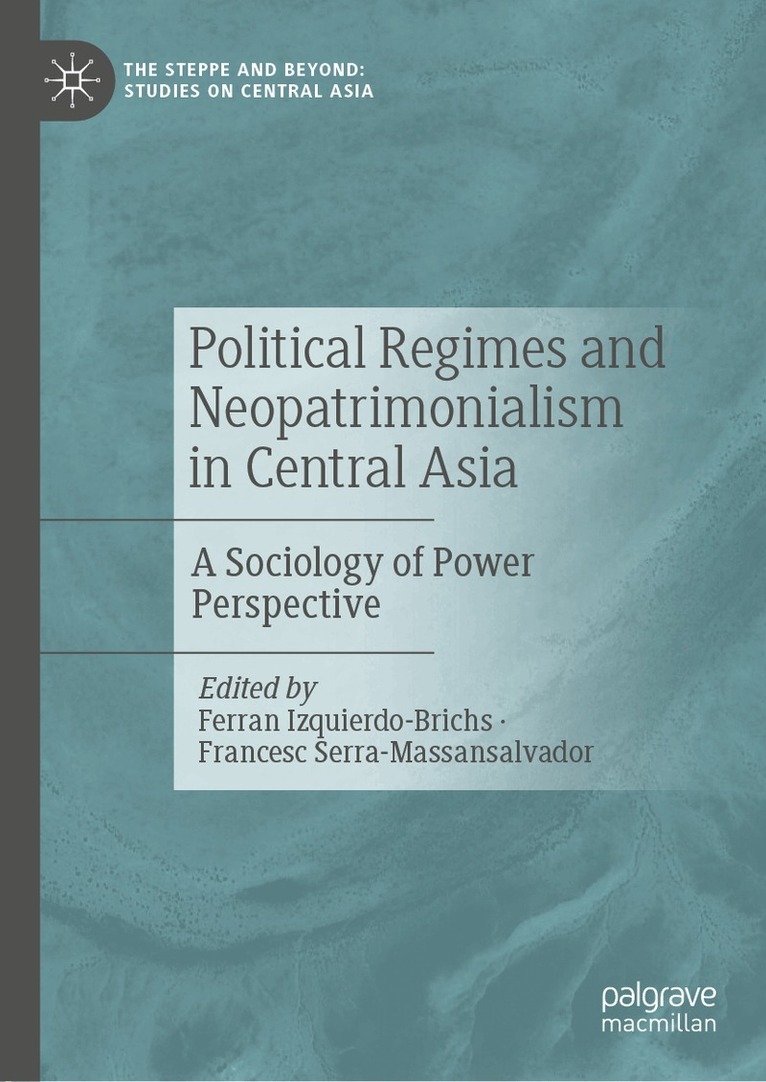
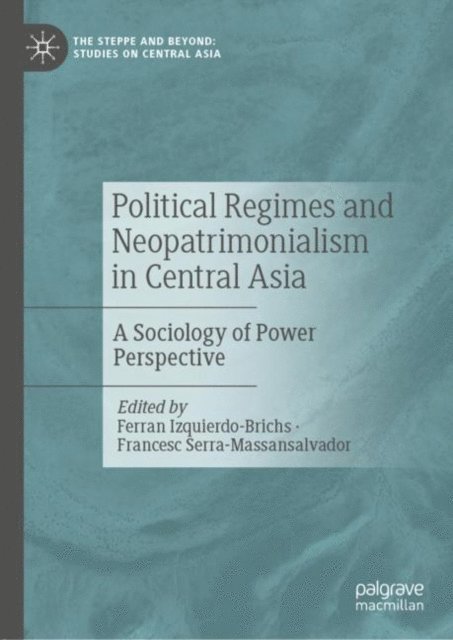
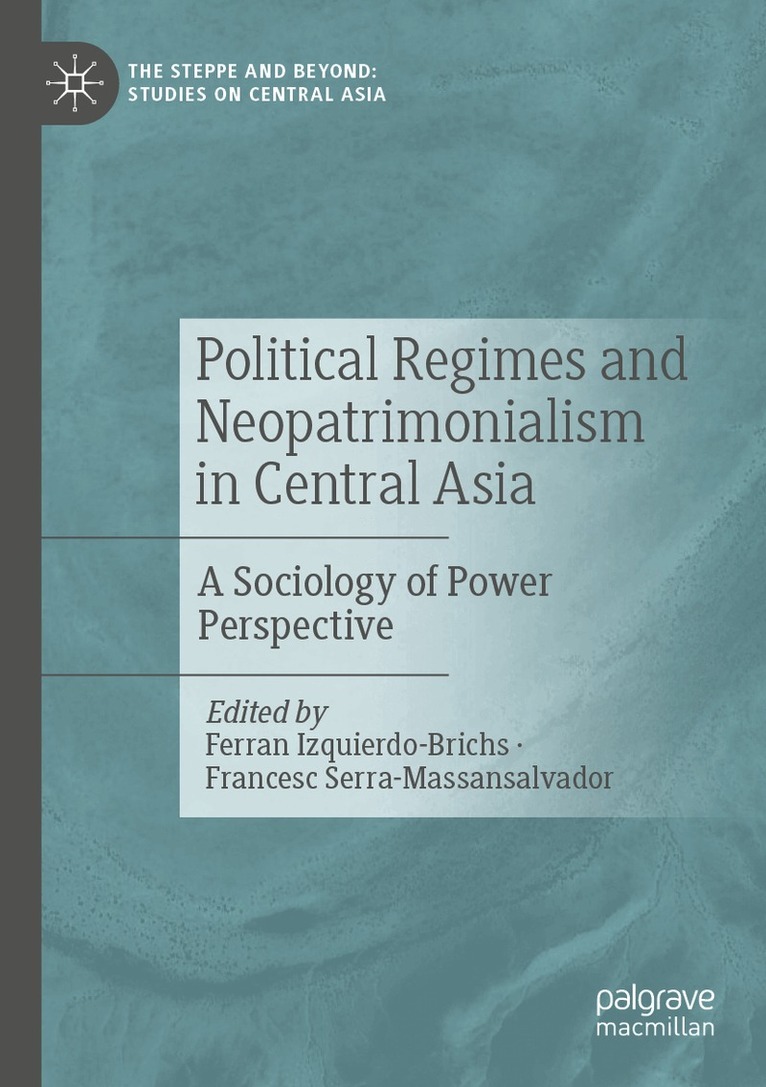
Political Regimes and Neopatrimonialism in Central Asia
A Sociology of Power Perspective
Av Ferran Izquierdo-Brichs, Francesc Serra-Massansalvador
Inbunden, 2021
1352 kr
Lägg i varukorg
This book is aimed both at researchers and advanced students of Central Asia, the space of the former USSR, and the foreign policy of Russia and China. The authors adopt a sociological approach in understanding how power structures emerged in the wake of the Soviet collapse. The independencies in …
Political Regimes and Neopatrimonialism in Central Asia
A Sociology of Power Perspective
Av Francesc Serra-Massansalvador, Ferran Izquierdo-Brichs
E-bok, 2021
1838 kr
Lägg i varukorg
This book is aimed both at researchers and advanced students of Central Asia, the space of the former USSR, and the foreign policy of Russia and China. The authors adopt a sociological approach in understanding how power structures emerged in the wake of the Soviet collapse. The independencies in …
Political Regimes and Neopatrimonialism in Central Asia
A Sociology of Power Perspective
Av Ferran Izquierdo-Brichs, Francesc Serra-Massansalvador
Häftad, 2022
1352 kr
Lägg i varukorg
This book is aimed both at researchers and advanced students of Central Asia, the space of the former USSR, and the foreign policy of Russia and China. The authors adopt a sociological approach in understanding how power structures emerged in the wake of the Soviet collapse. The independencies in …