Filip De Boeck - Böcker
Visar alla böcker från författaren Filip De Boeck. Handla med fri frakt och snabb leverans.
4 produkter
4 produkter
315 kr
Skickas inom 10-15 vardagar
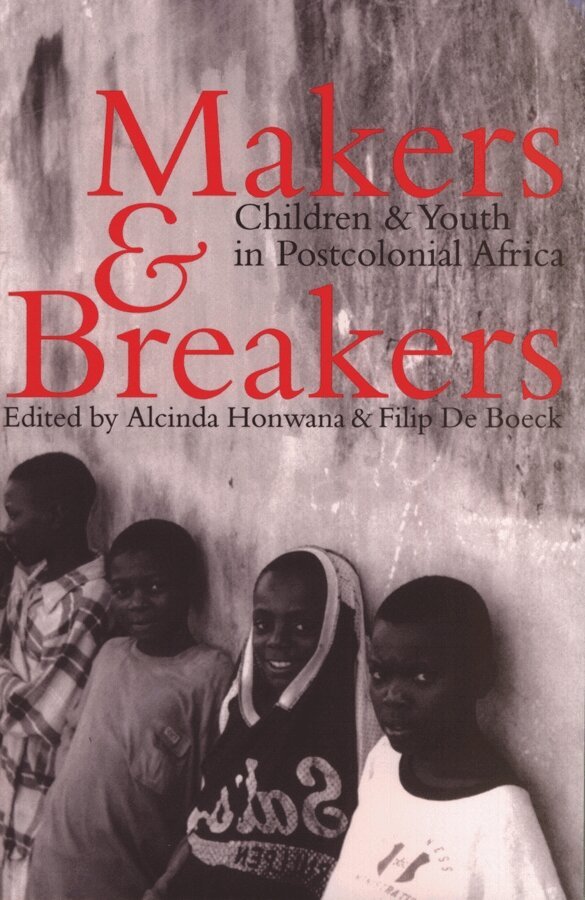
Presents a range of views on the lives of young people around Africa.This book contributes to a theoretical, ethnographic and historical understanding of issues concerning children, youth, agency, locality, globalization and identity from the past to the postcolony and beyond. As such the authors strive to achieve a better insight into what lives in the hearts and minds of African youngsters.Contributors include: Alcinda Honwana, Filip De Boeck, Jean & John Comaroff, Mats Utas, Pamela Reynolds, Tshikala Biaya,Deborah Durham, Nicolas Argenti, Ibrahim Abdullah & Mamadou DioufNorth America: Africa World Press; Senegal: Codesria
955 kr
Kommande
Cities are now on the front line of dangers associated with the climate crisis, health emergencies, uncontrolled artificial intelligence, escalating warfare, growing authoritarianism and capitalist profligacy. This is especially so for their unprotected populations who, in large numbers, now face a dire future of precarity as powerful elites seek to turn urban assets to their advantage in confronting an uncertain future. For the vast majority of people living in cities, the future is one of foreclosure – a future of dispossession and impoverishment that is lacking a horizon of hope.What pathways remain open for cities to avert a future of foreclosure for people leading modest lives in modest neighbourhoods? To answer this question, this book looks to the popular practices and knowledges that exist within urban communities and neighbourhoods, finding within them elements that are potentially reparative and curative. Here the engagement with time is different, involving repertoires of horizontal relations, affinities of place and restive knowledge capable of making something out of nothing, of bending adversity towards other goals. Here, rich yet neglected ecologies of urban inhabitation – with all their wiles and improvisations – emerge as the ground of future-making. The book offers a body of concepts to encapsulate this threatened yet resistant urbanism, exemplifies its workings in the streets of Kinshasa, Lagos, Mexico City and Naples, and outlines an infrastructural and aesthetic politics to bring out its potential, thereby enabling another future to shine through urban foreclosure.
345 kr
Kommande
Cities are now on the front line of dangers associated with the climate crisis, health emergencies, uncontrolled artificial intelligence, escalating warfare, growing authoritarianism and capitalist profligacy. This is especially so for their unprotected populations who, in large numbers, now face a dire future of precarity as powerful elites seek to turn urban assets to their advantage in confronting an uncertain future. For the vast majority of people living in cities, the future is one of foreclosure – a future of dispossession and impoverishment that is lacking a horizon of hope.What pathways remain open for cities to avert a future of foreclosure for people leading modest lives in modest neighbourhoods? To answer this question, this book looks to the popular practices and knowledges that exist within urban communities and neighbourhoods, finding within them elements that are potentially reparative and curative. Here the engagement with time is different, involving repertoires of horizontal relations, affinities of place and restive knowledge capable of making something out of nothing, of bending adversity towards other goals. Here, rich yet neglected ecologies of urban inhabitation – with all their wiles and improvisations – emerge as the ground of future-making. The book offers a body of concepts to encapsulate this threatened yet resistant urbanism, exemplifies its workings in the streets of Kinshasa, Lagos, Mexico City and Naples, and outlines an infrastructural and aesthetic politics to bring out its potential, thereby enabling another future to shine through urban foreclosure.
634 kr
Skickas inom 5-8 vardagar
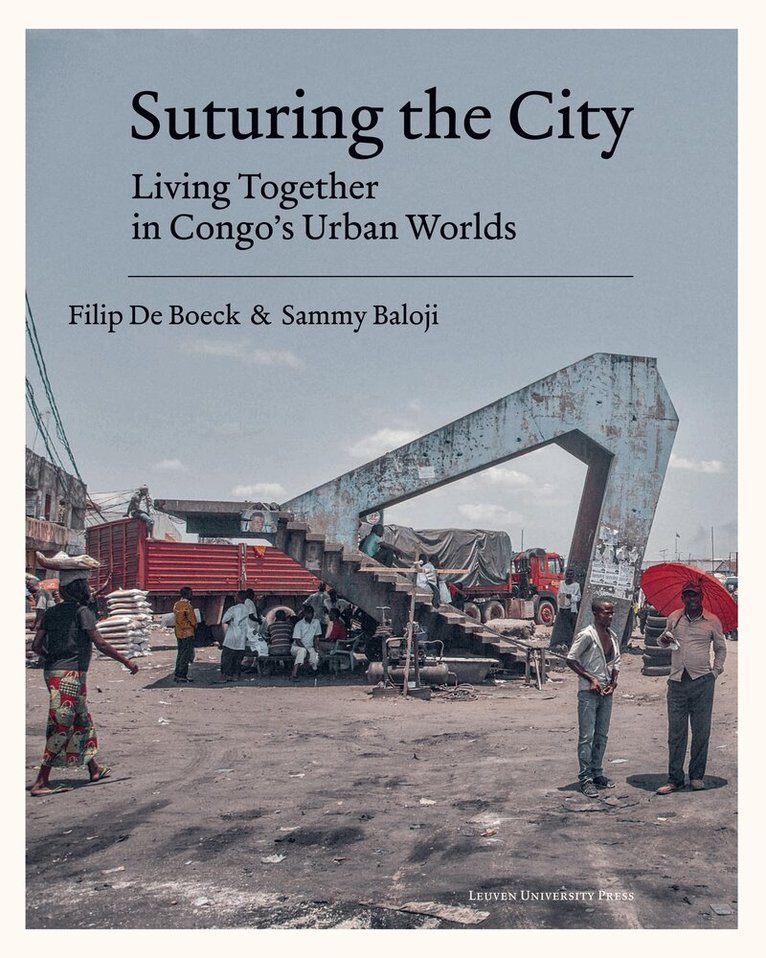
An ethnographic and photographic investigation into the complex meanings of living in Congo's urban worlds today.Focusing upon the ‘urban now’, a moment suspended between lingering precolonial references, the broken dreams of a colonial past, and the not yet realised promises of neoliberal futures, this book provides an ethnographic and photographic investigation of the complex meanings of living – and living together – in Congo’s urban worlds today.The authors, anthropologist Filip De Boeck and photographer Sammy Baloji, take the reader on a tour of specific urban sites in Kinshasa and beyond. In their detailed analysis these sites emerge as suturing points in which the possibilities of collective urban action and dreams of a shared future continue to be explored.Reprint of Suturing the City: Living Together in Congo’s Urban Worlds, Filip De Boeck, Sammy Baloji (Autograph 2016)Look inside and read the preface >