Filipe Ribeiro De Meneses – författare
Visar alla böcker från författaren Filipe Ribeiro De Meneses. Handla med fri frakt och snabb leverans.
12 produkter
Franco and the Spanish Civil War
Inbunden, 2001
2588 kr
Lägg i varukorg
Franco and the Spanish Civil War is a wide-ranging and insightful analysis of the origins, course, and consequences of the conflict and of Franco's role within it. It offers a broad view of the war through a survey of the social and cultural dimensions, as well as the military and political ones. …
Franco and the Spanish Civil War
Häftad, 2001
637 kr
Lägg i varukorg
Franco and the Spanish Civil War is a wide-ranging and insightful analysis of the origins, course, and consequences of the conflict and of Franco's role within it. It offers a broad view of the war through a survey of the social and cultural dimensions, as well as the military and political ones. …
Salazar
A Political Biography
E-bok, 2023
809 kr
Lägg i varukorg
Salazar: A Political Biography is the definitive biography of the longstanding Portuguese dictator. António de Oliveira Salazar entered the government of Portugal when Herbert Hoover was president and ended his political career at the end of the Johnson administration. He remained in power for …
Salazar
A Political Biography
E-bok, 2023
809 kr
Lägg i varukorg
Salazar: A Political Biography is the definitive biography of the longstanding Portuguese dictator. António de Oliveira Salazar entered the government of Portugal when Herbert Hoover was president and ended his political career at the end of the Johnson administration. He remained in power for …
Salazar
A Political Biography
Häftad, 2023
688 kr
Lägg i varukorg
Salazar: A Political Biography is the definitive biography of the longstanding Portuguese dictator.António de Oliveira Salazar entered the government of Portugal when Herbert Hoover was president and ended his political career at the end of the Johnson administration. He remained in power for forty …
Salazar
A Political Biography
Inbunden, 2023
2668 kr
Lägg i varukorg
Salazar: A Political Biography is the definitive biography of the longstanding Portuguese dictator.António de Oliveira Salazar entered the government of Portugal when Herbert Hoover was president and ended his political career at the end of the Johnson administration. He remained in power for forty …
Franco and the Spanish Civil War
E-bok, 2003
749 kr
Lägg i varukorg
Franco and the Spanish Civil War is a wide-ranging and insightful analysis of the origins, course, and consequences of the conflict and of Franco''s role within it. It offers a broad view of the war through a survey of the social and cultural dimensions, as well as the military and political ones. …
Franco and the Spanish Civil War
E-bok, 2003
727 kr
Lägg i varukorg
Franco and the Spanish Civil War is a wide-ranging and insightful analysis of the origins, course, and consequences of the conflict and of Franco''s role within it. It offers a broad view of the war through a survey of the social and cultural dimensions, as well as the military and political ones. …
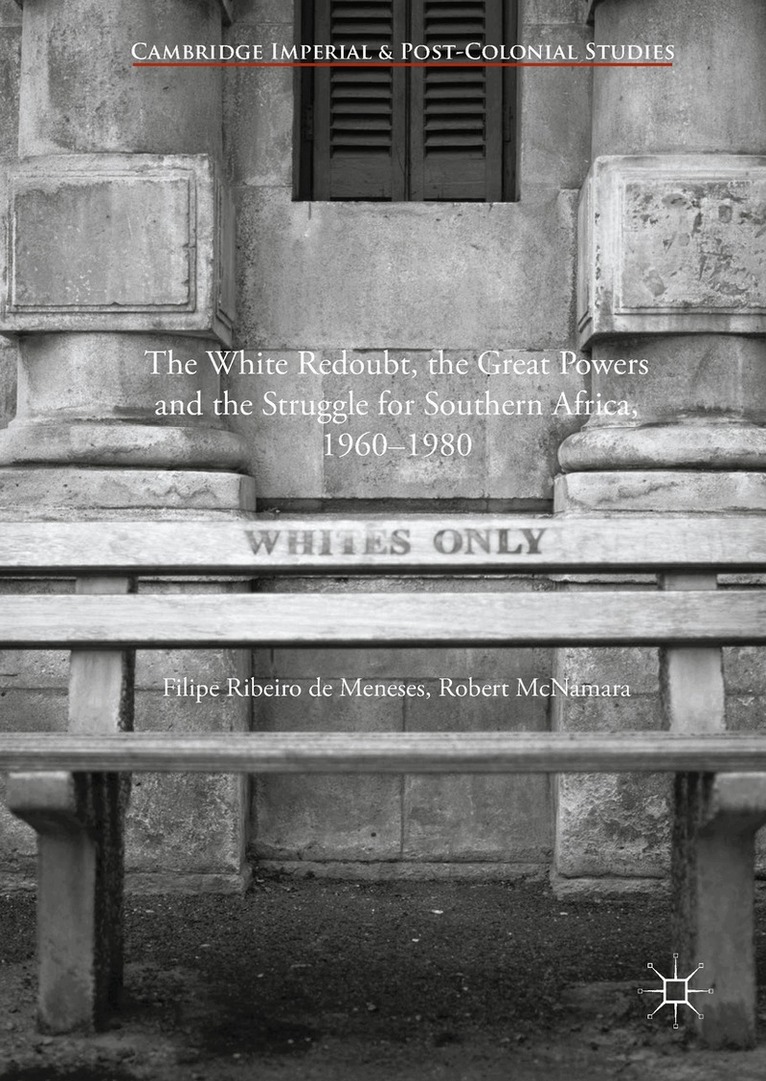
White Redoubt, the Great Powers and the Struggle for Southern Africa, 1960–1980
Av Filipe Ribeiro de Meneses, Robert McNamara
Inbunden, 2017
1352 kr
Lägg i varukorg
This work examines the attempt by the governments of Portugal, Rhodesia and South Africa to defy the drive for African independence in the 1960s and 70s, and the international community’s response. From 1961 to 1974, Portugal, Rhodesia and South Africa collaborated in the attempt to preserve white …
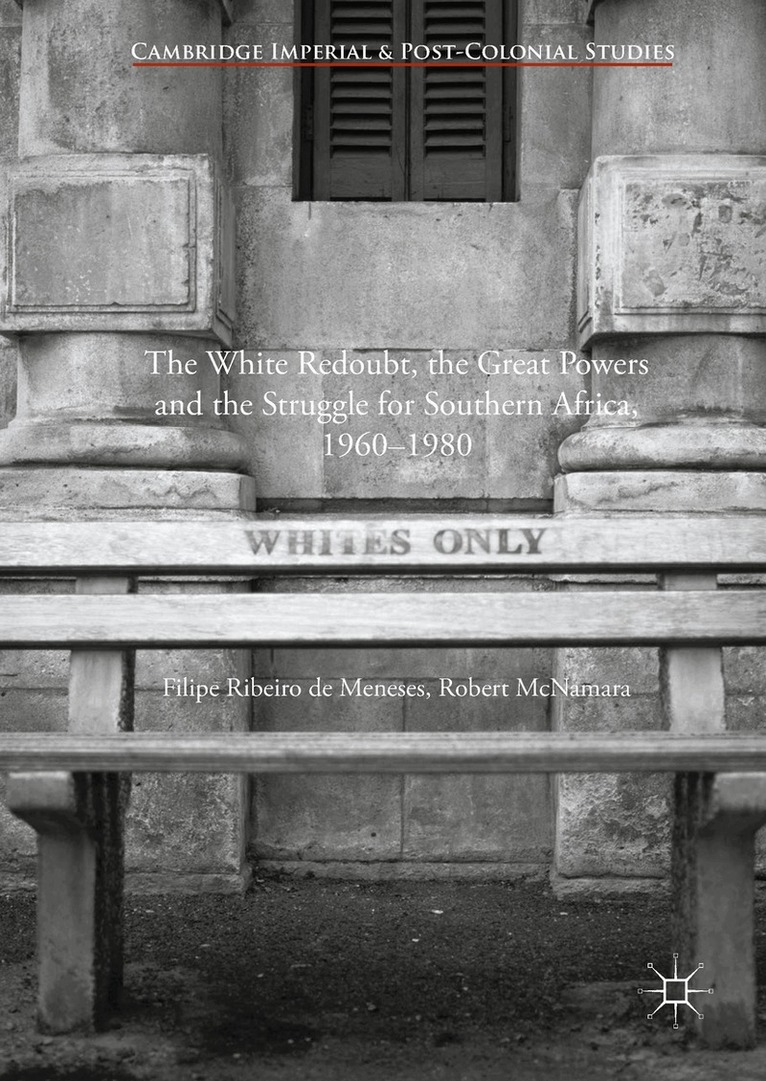
White Redoubt, the Great Powers and the Struggle for Southern Africa, 1960-1980
Av Robert McNamara, Filipe Ribeiro de Meneses
E-bok, 2017
1911 kr
Lägg i varukorg
This work examines the attempt by the governments of Portugal, Rhodesia and South Africa to defy the drive for African independence in the 1960s and 70s, and the international community’s response. From 1961 to 1974, Portugal, Rhodesia and South Africa collaborated in the attempt to preserve white …
White Redoubt, the Great Powers and the Struggle for Southern Africa, 1960–1980
Av Filipe Ribeiro de Meneses, Robert McNamara
Häftad, 2019
1352 kr
Lägg i varukorg
This work examines the attempt by the governments of Portugal, Rhodesia and South Africa to defy the drive for African independence in the 1960s and 70s, and the international community’s response. From 1961 to 1974, Portugal, Rhodesia and South Africa collaborated in the attempt to preserve white …
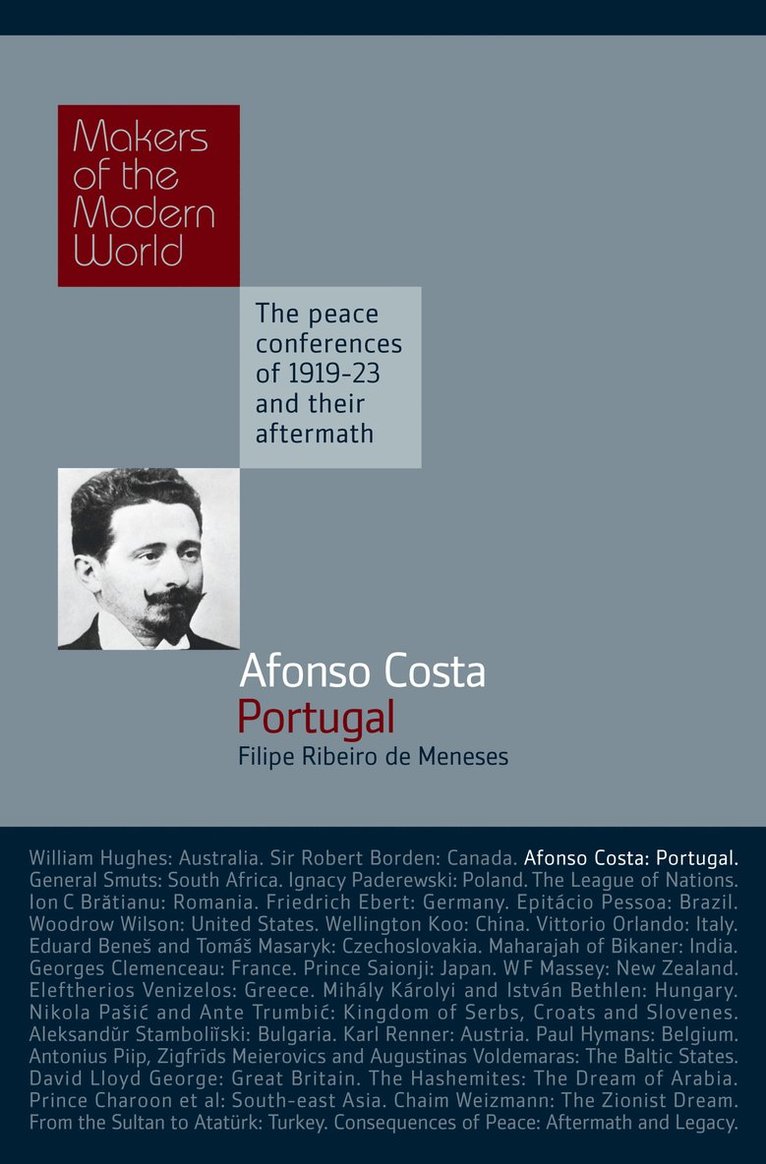
Afonso Costa: Portugal
Inbunden, 2010
190 kr
Lägg i varukorg
Portugal's poor military performance in the First World War, notably in Africa, restricted Afonso Costa's (1871-1937) ability to secure his diplomatic aims which, in any case, were highly unrealistic. Nevertheless, his loyal press in Portugal described him as the leader of the small nations', and …