Filippo Boni – författare
Visar alla böcker från författaren Filippo Boni. Handla med fri frakt och snabb leverans.
8 produkter
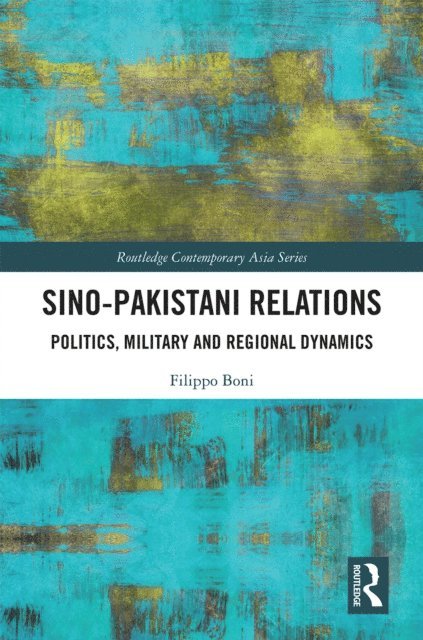
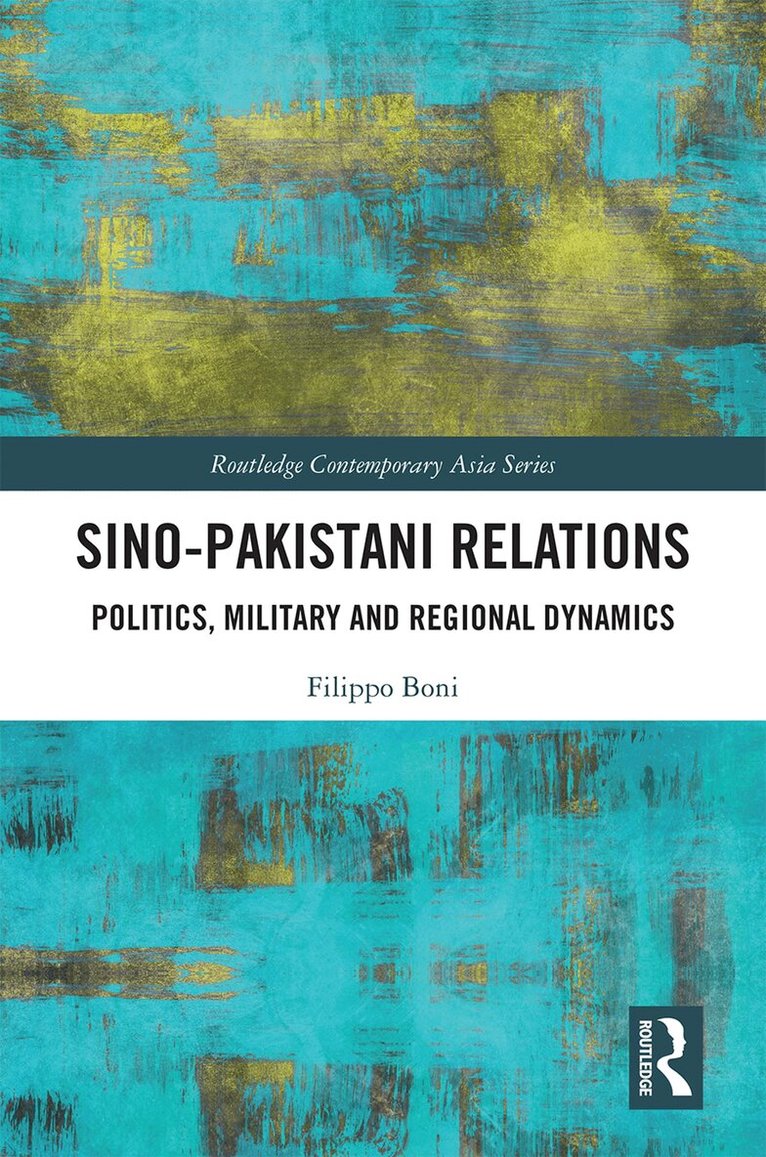
Sino-Pakistani Relations
Politics, Military and Regional Dynamics
Av Filippo Boni
E-bok, 2019
814 kr
Lägg i varukorg
This book analyses the relationship between Pakistan and China in the post 9/11 period against the backdrop of Pakistan’s domestic politics and proposes that the major source of continuity in the ties between the two countries is represented by the military. The evolution and continuity of …
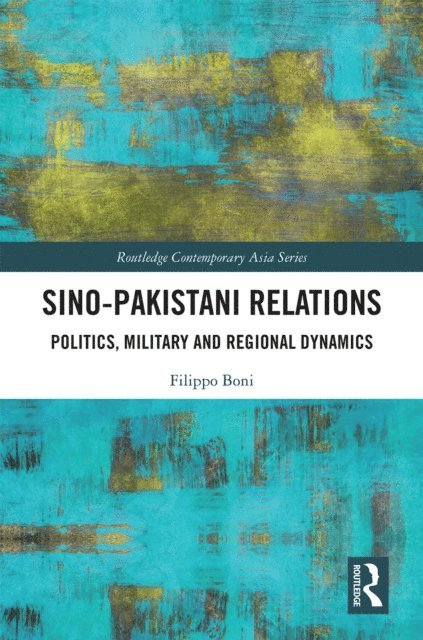
Sino-Pakistani Relations
Politics, Military and Regional Dynamics
Av Filippo Boni
E-bok, 2019
796 kr
Lägg i varukorg
This book analyses the relationship between Pakistan and China in the post 9/11 period against the backdrop of Pakistan’s domestic politics and proposes that the major source of continuity in the ties between the two countries is represented by the military. The evolution and continuity of …
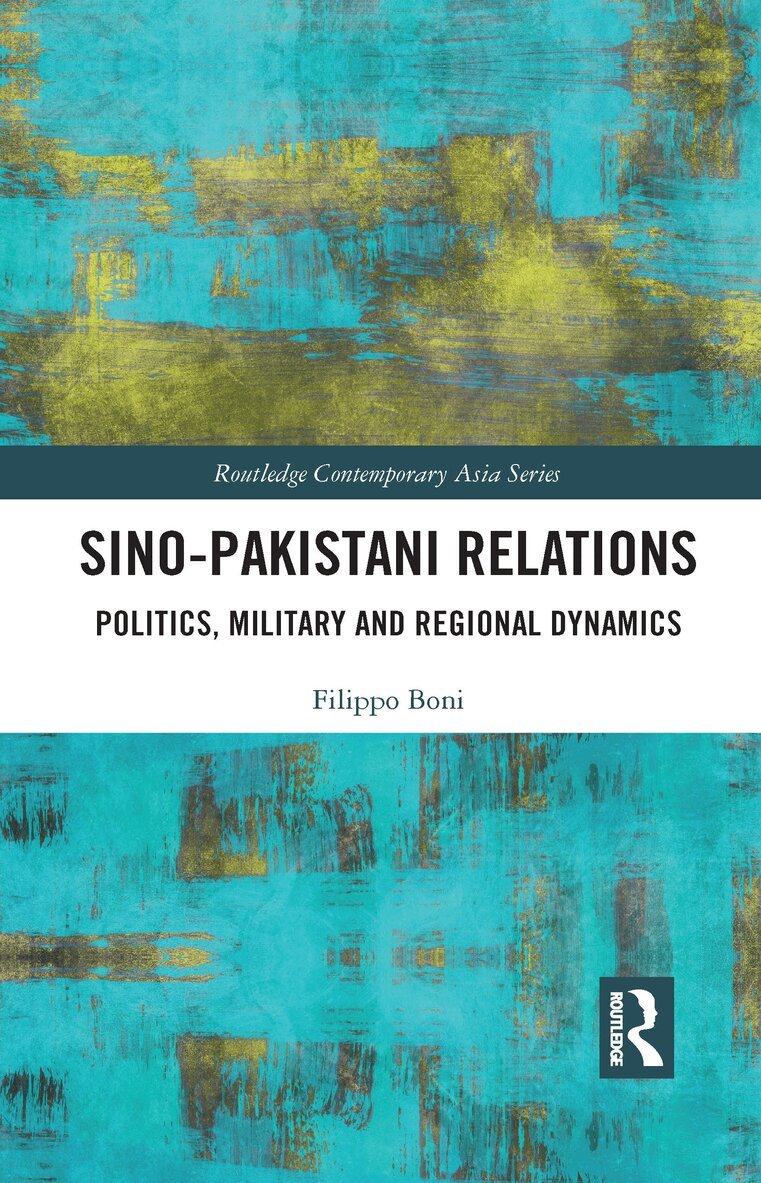
Sino-Pakistani Relations
Politics, Military and Regional Dynamics
Av Filippo Boni
Häftad, 2021
693 kr
Lägg i varukorg
This book analyses the relationship between Pakistan and China in the post 9/11 period against the backdrop of Pakistan’s domestic politics and proposes that the major source of continuity in the ties between the two countries is represented by the military.The evolution and continuity of …
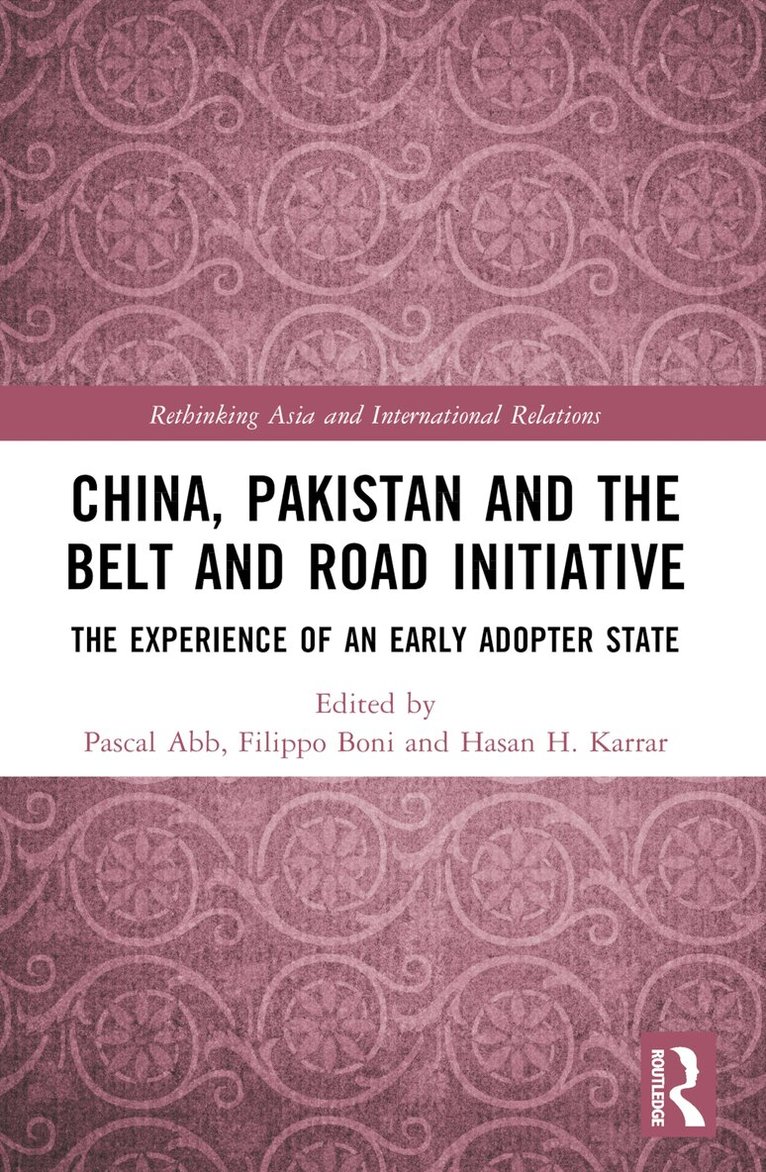
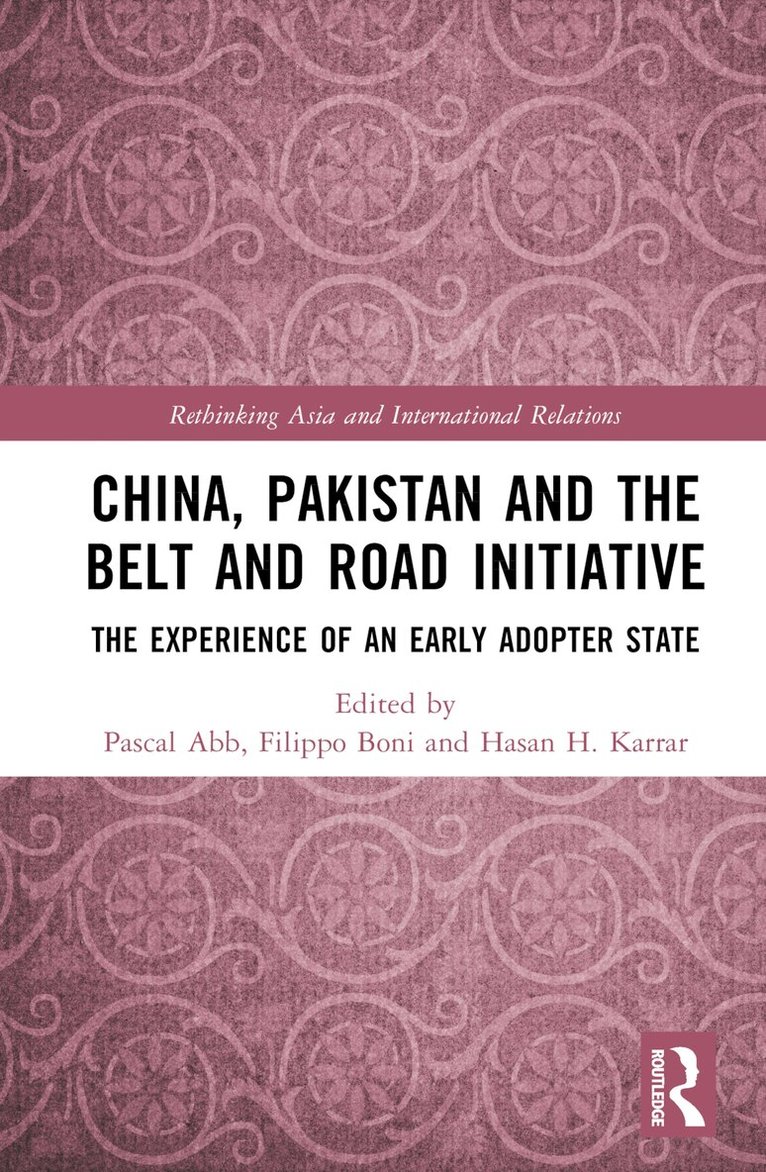
China, Pakistan and the Belt and Road Initiative
The Experience of an Early Adopter State
Av Pascal Abb, Filippo Boni m. fl.
Häftad, 2025
708 kr
Lägg i varukorg
Pakistan occupies an elevated role in China’s Belt and Road Initiative (BRI) and hosts its ‘flagship’ project, the China-Pakistan Economic Corridor (CPEC). It has attracted the largest volume of investments under the BRI and opened itself comprehensively to its transformative potential. This book …
China, Pakistan and the Belt and Road Initiative
The Experience of an Early Adopter State
Av Pascal Abb, Filippo Boni m. fl.
Inbunden, 2024
2519 kr
Lägg i varukorg
Pakistan occupies an elevated role in China’s Belt and Road Initiative (BRI) and hosts its ‘flagship’ project, the China-Pakistan Economic Corridor (CPEC). It has attracted the largest volume of investments under the BRI and opened itself comprehensively to its transformative potential. This book …
China, Pakistan and the Belt and Road Initiative
The Experience of an Early Adopter State
Av Hasan H. Karrar, Filippo Boni m. fl.
E-bok, 2024
831 kr
Lägg i varukorg
Pakistan occupies an elevated role in China’s Belt and Road Initiative (BRI) and hosts its ‘flagship’ project, the China-Pakistan Economic Corridor (CPEC). It has attracted the largest volume of investments under the BRI and opened itself comprehensively to its transformative potential. This book …
China, Pakistan and the Belt and Road Initiative
The Experience of an Early Adopter State
Av Hasan H. Karrar, Filippo Boni m. fl.
E-bok, 2024
813 kr
Lägg i varukorg
Pakistan occupies an elevated role in China’s Belt and Road Initiative (BRI) and hosts its ‘flagship’ project, the China-Pakistan Economic Corridor (CPEC). It has attracted the largest volume of investments under the BRI and opened itself comprehensively to its transformative potential. This book …
Sino-Pakistani Relations
Politics, Military and Regional Dynamics
Av Filippo Boni
Inbunden, 2019
2519 kr
Lägg i varukorg
This book analyses the relationship between Pakistan and China in the post 9/11 period against the backdrop of Pakistan’s domestic politics and proposes that the major source of continuity in the ties between the two countries is represented by the military.The evolution and continuity of …