Filippo Santoni de Sio – författare
Visar alla böcker från författaren Filippo Santoni de Sio. Handla med fri frakt och snabb leverans.
10 produkter
Human Freedom in the Age of AI
Inbunden, 2024
2512 kr
Lägg i varukorg
This book claims that artificial intelligence (AI) may affect our freedom at work, in our daily life, and in the political sphere. The author provides a philosophical framework to help make sense of and govern the ethical and political impact of AI in these domains. AI presents great opportunities …
Human Freedom in the Age of AI
Häftad, 2025
706 kr
Lägg i varukorg
This book claims that artificial intelligence (AI) may affect our freedom at work, in our daily life, and in the political sphere. The author provides a philosophical framework to help make sense of and govern the ethical and political impact of AI in these domains. AI presents great opportunities …
Human Freedom in the Age of AI
E-bok, 2024
813 kr
Lägg i varukorg
This book claims that artificial intelligence (AI) may affect our freedom at work, in our daily life, and in the political sphere. The author provides a philosophical framework to help make sense of and govern the ethical and political impact of AI in these domains. AI presents great opportunities …
Human Freedom in the Age of AI
E-bok, 2024
831 kr
Lägg i varukorg
This book claims that artificial intelligence (AI) may affect our freedom at work, in our daily life, and in the political sphere. The author provides a philosophical framework to help make sense of and govern the ethical and political impact of AI in these domains. AI presents great opportunities …
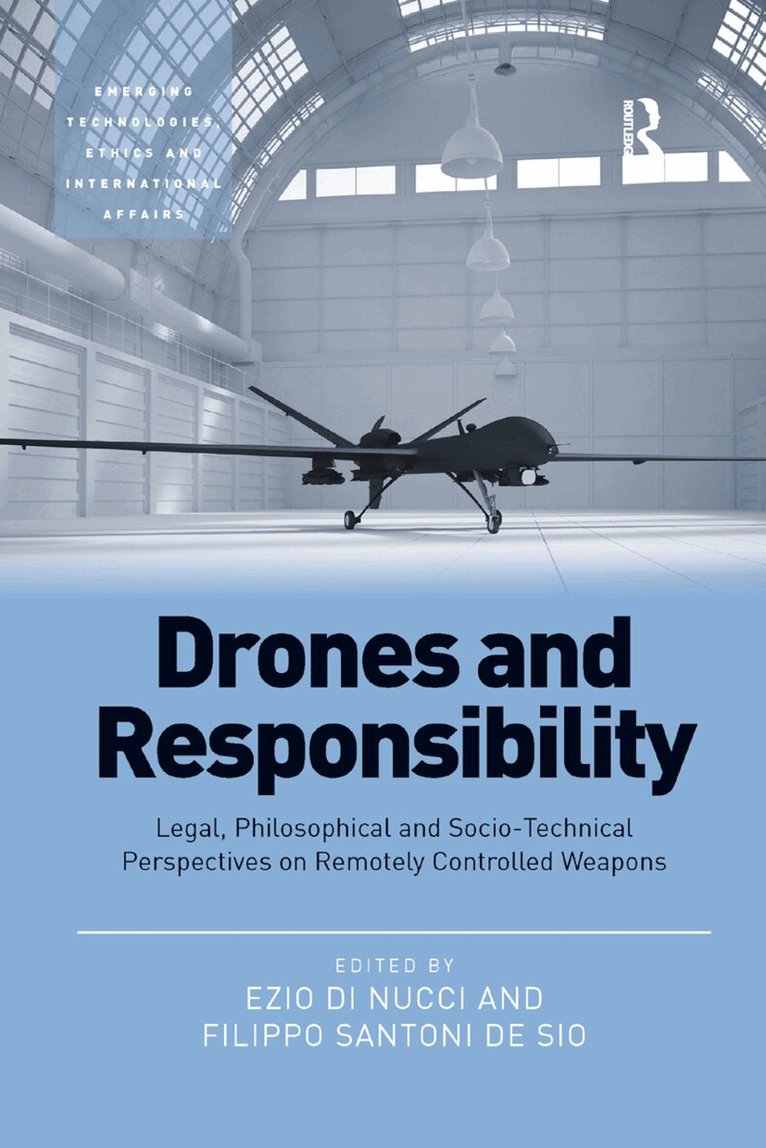
Drones and Responsibility
Legal, Philosophical and Socio-Technical Perspectives on Remotely Controlled Weapons
Av Ezio Di Nucci, Filippo Santoni de Sio
Häftad, 2019
619 kr
Lägg i varukorg
How does the use of military drones affect the legal, political, and moral responsibility of different actors involved in their deployment and design? This volume offers a fresh contribution to the ethics of drone warfare by providing, for the first time, a systematic interdisciplinary discussion …
Drones and Responsibility
Legal, Philosophical and Socio-Technical Perspectives on Remotely Controlled Weapons
Av Filippo Santoni de Sio, Ezio Di Nucci
E-bok, 2016
727 kr
Lägg i varukorg
How does the use of military drones affect the legal, political, and moral responsibility of different actors involved in their deployment and design? This volume offers a fresh contribution to the ethics of drone warfare by providing, for the first time, a systematic interdisciplinary discussion …
Drones and Responsibility
Legal, Philosophical and Socio-Technical Perspectives on Remotely Controlled Weapons
Av Filippo Santoni de Sio, Ezio Di Nucci
E-bok, 2016
727 kr
Lägg i varukorg
How does the use of military drones affect the legal, political, and moral responsibility of different actors involved in their deployment and design? This volume offers a fresh contribution to the ethics of drone warfare by providing, for the first time, a systematic interdisciplinary discussion …
Drones and Responsibility
Legal, Philosophical and Socio-Technical Perspectives on Remotely Controlled Weapons
Av Ezio Di Nucci, Filippo Santoni de Sio
Inbunden, 2016
2504 kr
Lägg i varukorg
How does the use of military drones affect the legal, political, and moral responsibility of different actors involved in their deployment and design? This volume offers a fresh contribution to the ethics of drone warfare by providing, for the first time, a systematic interdisciplinary discussion …
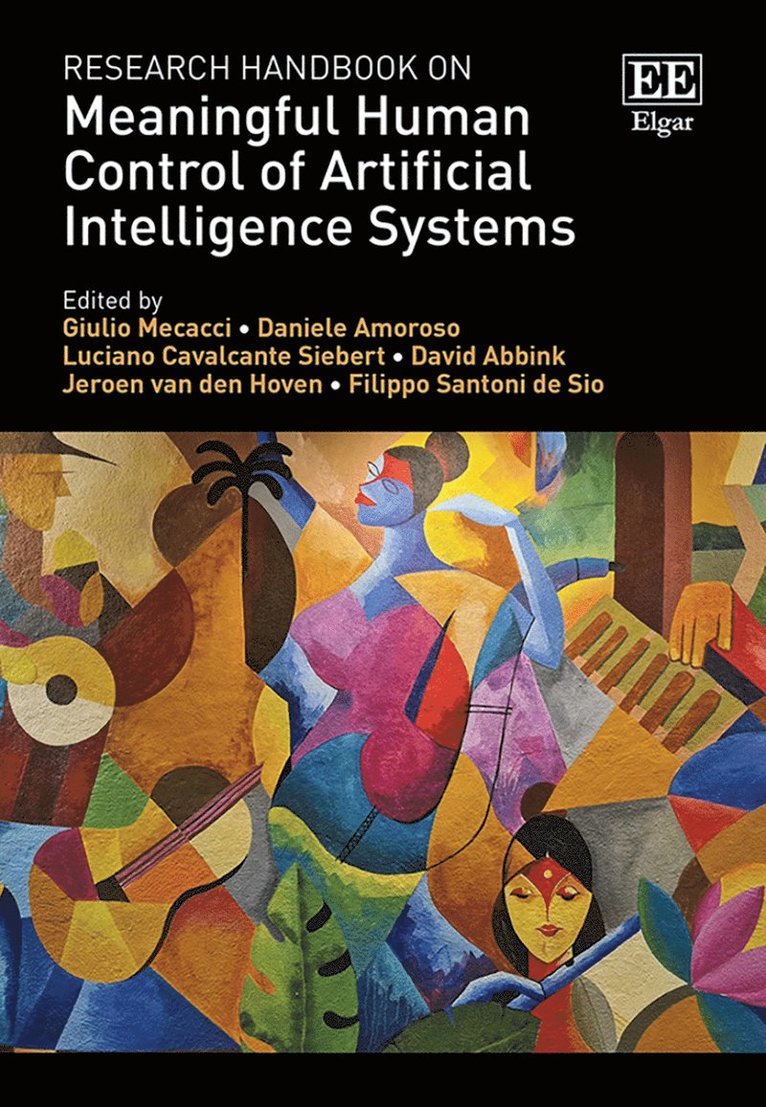
Research Handbook on Meaningful Human Control of Artificial Intelligence Systems
Av Giulio Mecacci, Daniele Amoroso m. fl.
Inbunden, 2024
3595 kr
Lägg i varukorg
This prescient Research Handbook analyses the ethical development of Artificial Intelligence systems through the prism of meaningful human control. It encapsulates a multitude of disciplinary lenses including technical, philosophical and legal, making a crucial contribution to the ongoing discourse …
Research Handbook on Meaningful Human Control of Artificial Intelligence Systems
Av Filippo Santoni de Sio, Jeroen van den Hoven m. fl.
E-bok, 2024
880 kr
Lägg i varukorg
This prescient Research Handbook analyses the ethical development of Artificial Intelligence systems through the prism of meaningful human control. It encapsulates a multitude of disciplinary lenses including technical, philosophical and legal, making a crucial contribution to the ongoing discourse …