Filiz Tutku Aydın – författare
Visar alla böcker från författaren Filiz Tutku Aydın. Handla med fri frakt och snabb leverans.
3 produkter
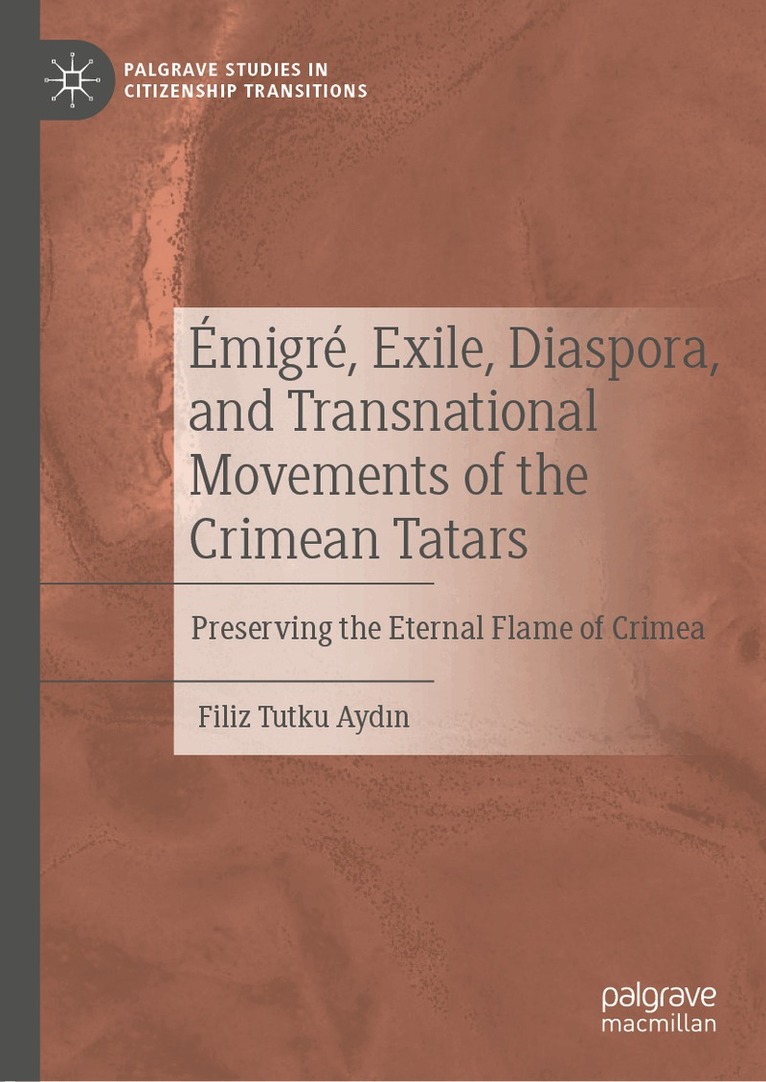
Émigré, Exile, Diaspora, and Transnational Movements of the Crimean Tatars
Preserving the Eternal Flame of Crimea
Inbunden, 2021
1530 kr
Lägg i varukorg
This book explains the unexpected mobilization of the Crimean Tatar diaspora in recent decades through an exploration of the exile experiences of the Crimean Tatars in Central Asia, Middle East, Eastern Europe, and North America. This book adds to the growing literature on diaspora case studies and …
Emigre, Exile, Diaspora, and Transnational Movements of the Crimean Tatars
Preserving the Eternal Flame of Crimea
E-bok, 2021
1906 kr
Lägg i varukorg
This book explains the unexpected mobilization of the Crimean Tatar diaspora in recent decades through an exploration of the exile experiences of the Crimean Tatars in Central Asia, Middle East, Eastern Europe, and North America. This book adds to the growing literature on diaspora case studies and …
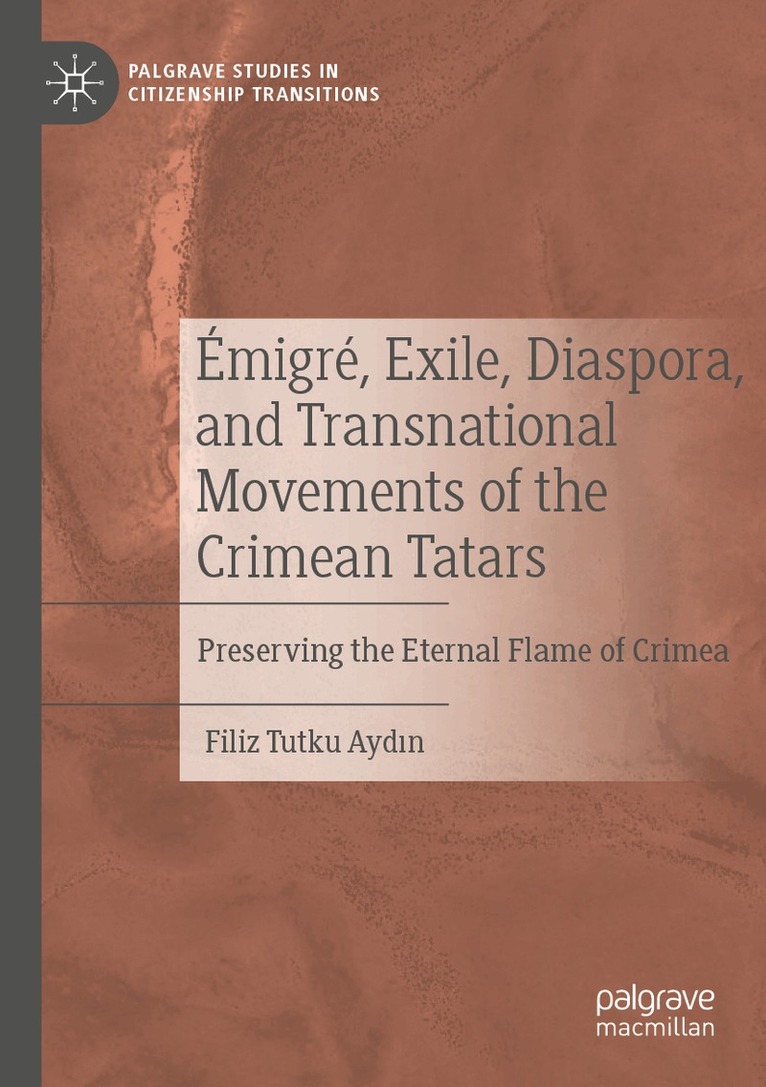
Émigré, Exile, Diaspora, and Transnational Movements of the Crimean Tatars
Preserving the Eternal Flame of Crimea
Häftad, 2022
1530 kr
Lägg i varukorg
This book explains the unexpected mobilization of the Crimean Tatar diaspora in recent decades through an exploration of the exile experiences of the Crimean Tatars in Central Asia, Middle East, Eastern Europe, and North America. This book adds to the growing literature on diaspora case studies and …