Finn Fuglestad – författare
Visar alla böcker från författaren . Handla med fri frakt och snabb leverans.
5 produkter
5 produkter
E-bok
PDF, Engelska, 2018838 kr
Läs direkt efter köp
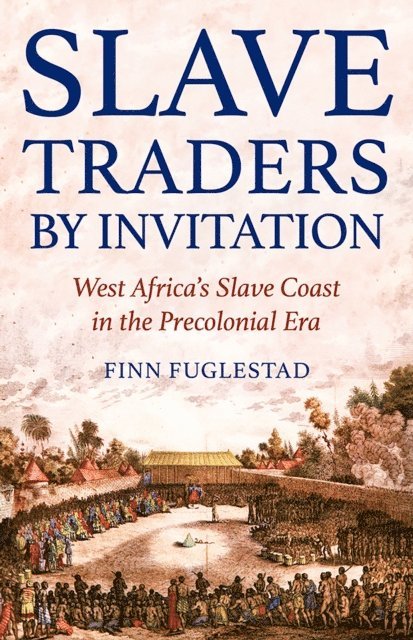
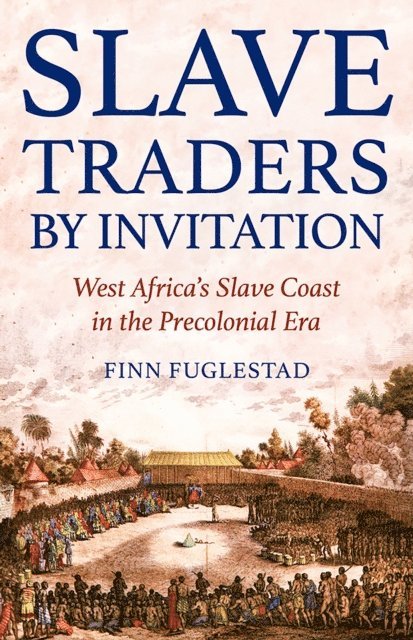
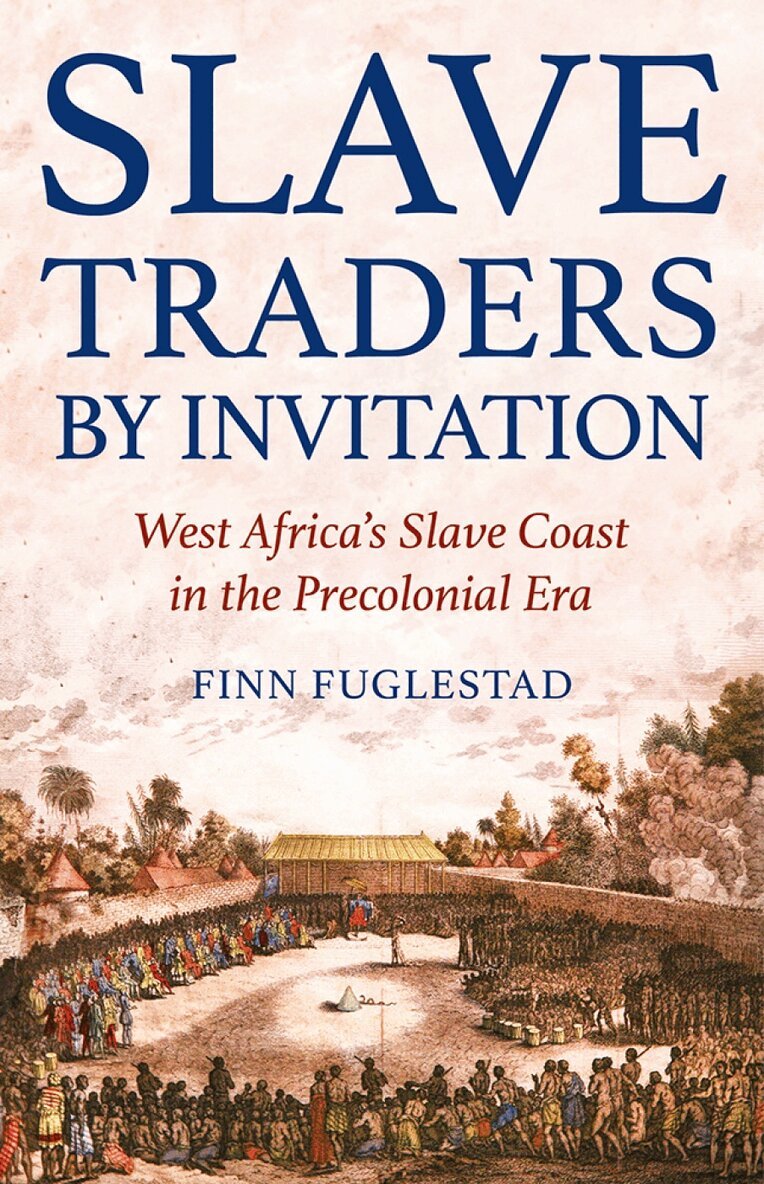
The Slave Coast, situated in what is now the West African state of Benin, was the epicentre of the Atlantic Slave Trade. But it was also an inhospitable, surf-ridden coastline, subject to crashing breakers and devoid of permanent human settlement. Nor was it easily accessible from the interior due to a lagoon which ran parallel to the coast. The local inhabitants were not only sheltered against incursions from the sea, but were also locked off from it. Yet, paradoxically, it was this coastline that witnessed a thriving long-term commercial relation-ship between Europeans and Africans, based on the trans-Atlantic slave trade. How did it come about? How was it all organised? And how did the locals react to the opportunities these new trading relations offered them? The Kingdom of Dahomey is usually cited as the Slave Coast''s archetypical slave raiding and slave trading polity. An inland realm, it was a latecomer to the slave trade, and simply incorporated a pre-existing system by dint of military prowess, which ultimately was to prove radically counterproductive. Fuglestad''s book seeks to explain the Dahomean ''anomaly'' and its impact on the Slave Coast''s societies and polities.
E-bok
Engelska, 2018838 kr
Läs direkt efter köp
The Slave Coast, situated in what is now the West African state of Benin, was the epicentre of the Atlantic Slave Trade. But it was also an inhospitable, surf-ridden coastline, subject to crashing breakers and devoid of permanent human settlement. Nor was it easily accessible from the interior due to a lagoon which ran parallel to the coast. The local inhabitants were not only sheltered against incursions from the sea, but were also locked off from it. Yet, paradoxically, it was this coastline that witnessed a thriving long-term commercial relation-ship between Europeans and Africans, based on the trans-Atlantic slave trade. How did it come about? How was it all organised? And how did the locals react to the opportunities these new trading relations offered them? The Kingdom of Dahomey is usually cited as the Slave Coast''s archetypical slave raiding and slave trading polity. An inland realm, it was a latecomer to the slave trade, and simply incorporated a pre-existing system by dint of military prowess, which ultimately was to prove radically counterproductive. Fuglestad''s book seeks to explain the Dahomean ''anomaly'' and its impact on the Slave Coast''s societies and polities.
Del 41 - African Studies
A History of Niger 1850-1960
Häftad, Engelska, 2008
587 kr
Skickas inom 7-10 vardagar
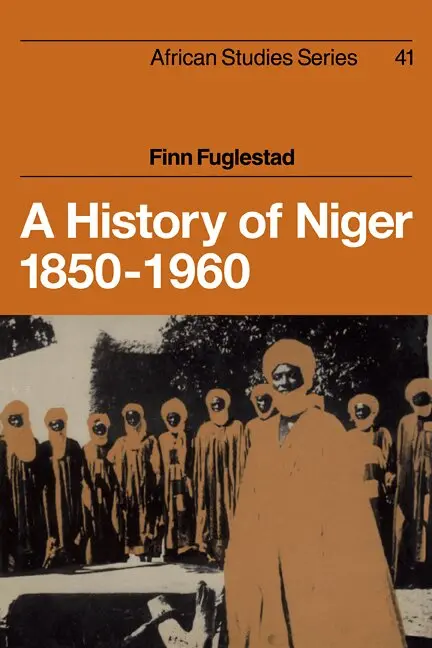
This comprehensive history of Niger during the colonial period is a work based on primary research which attempts an overall appraisal of the colonial past. Dr Fuglestad questions the assumption that the colonial conquest constituted a clear break in African history. He traces the main trends of the colonial period back to their origins in the pre-colonial past. He also demonstrates that the power of colonial officials was less effective than is generally thought and that, though French colonial rule was the single most important factor in shaping the present-day societies of Niger, it was still only one of the many contributing factors. While the main events of the modern history of Niger and the neighbouring regions of the Central Sudan and the Central Sahara are discussed and analysed in detail, the book focuses on long-term trends.
Inbunden, Engelska, 2018
733 kr
Skickas inom 7-10 vardagar
The Slave Coast, situated in what is now the West African state of Benin, was the epicentre of the Atlantic Slave Trade. But it was also an inhospitable, surf-ridden coastline, subject to crashing breakers and devoid of permanent human settlement. Nor was it easily accessible from the interior due to a lagoon which ran parallel to the coast. The local inhabitants were not only sheltered against incursions from the sea, but were also locked off from it. Yet, paradoxically, it was this coastline that witnessed a thriving long-term commercial relation-ship between Europeans and Africans, based on the trans-Atlantic slave trade. How did it come about? How was it all organised? And how did the locals react to the opportunities these new trading relations offered them? The Kingdom of Dahomey is usually cited as the Slave Coast's archetypical slave raiding and slave trading polity. An inland realm, it was a latecomer to the slave trade, and simply incorporated a pre-existing system by dint of military prowess, which ultimately was to prove radically counterproductive. Fuglestad's book seeks to explain the Dahomean 'anomaly' and its impact on the Slave Coast's societies and polities.
Häftad, Engelska, 2005
285 kr
Skickas inom 11-20 vardagar