Fiona Anderson – författare
Visar alla böcker från författaren Fiona Anderson. Handla med fri frakt och snabb leverans.
6 produkter
Tweed
E-bok, 2016
434 kr
Lägg i varukorg
The story of tweed is tied to a series of social, economic and cultural shifts that have molded its development. This book considers the historical factors that helped to shape the design characteristics and social meanings of the group of fabrics that we call tweed, from their emergence in the …
Cruising the Dead River
David Wojnarowicz and New York's Ruined Waterfront
Inbunden, 2019
1108 kr
Lägg i varukorg
In the 1970s, Manhattan’s west side waterfront was a forgotten zone of abandoned warehouses and piers. Though many saw only blight, the derelict neighborhood was alive with queer people forging new intimacies through cruising. Alongside the piers’ sexual and social worlds, artists produced work …
Cruising the Dead River
David Wojnarowicz and New York's Ruined Waterfront
Häftad, 2019
361 kr
Lägg i varukorg
In the 1970s, Manhattan’s west side waterfront was a forgotten zone of abandoned warehouses and piers. Though many saw only blight, the derelict neighborhood was alive with queer people forging new intimacies through cruising. Alongside the piers’ sexual and social worlds, artists produced work …
Cruising the Dead River
David Wojnarowicz and New York''s Ruined Waterfront
E-bok, 2019
697 kr
Lägg i varukorg
In the 1970s, Manhattan’s west side waterfront was a forgotten zone of abandoned warehouses and piers. Though many saw only blight, the derelict neighborhood was alive with queer people forging new intimacies through cruising. Alongside the piers’ sexual and social worlds, artists produced work …
Tweed
E-bok, 2016
434 kr
Lägg i varukorg
The story of tweed is tied to a series of social, economic and cultural shifts that have molded its development. This book considers the historical factors that helped to shape the design characteristics and social meanings of the group of fabrics that we call tweed, from their emergence in the …
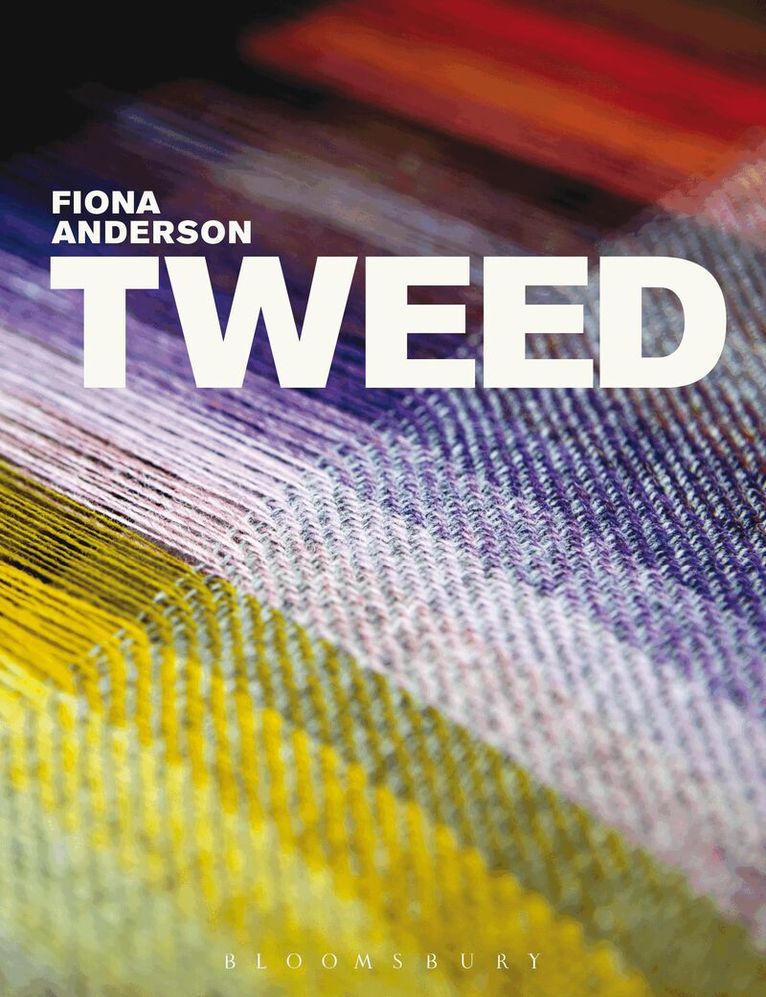
Tweed
Av Fiona Anderson, Linda Welters
Häftad, 2016
400 kr
Lägg i varukorg
The story of tweed is tied to a series of social, economic and cultural shifts that have molded its development. This book considers the historical factors that helped to shape the design characteristics and social meanings of the group of fabrics that we call tweed, from their emergence in the …