Fiona Barclay – författare
Visar alla böcker från författaren Fiona Barclay. Handla med fri frakt och snabb leverans.
7 produkter
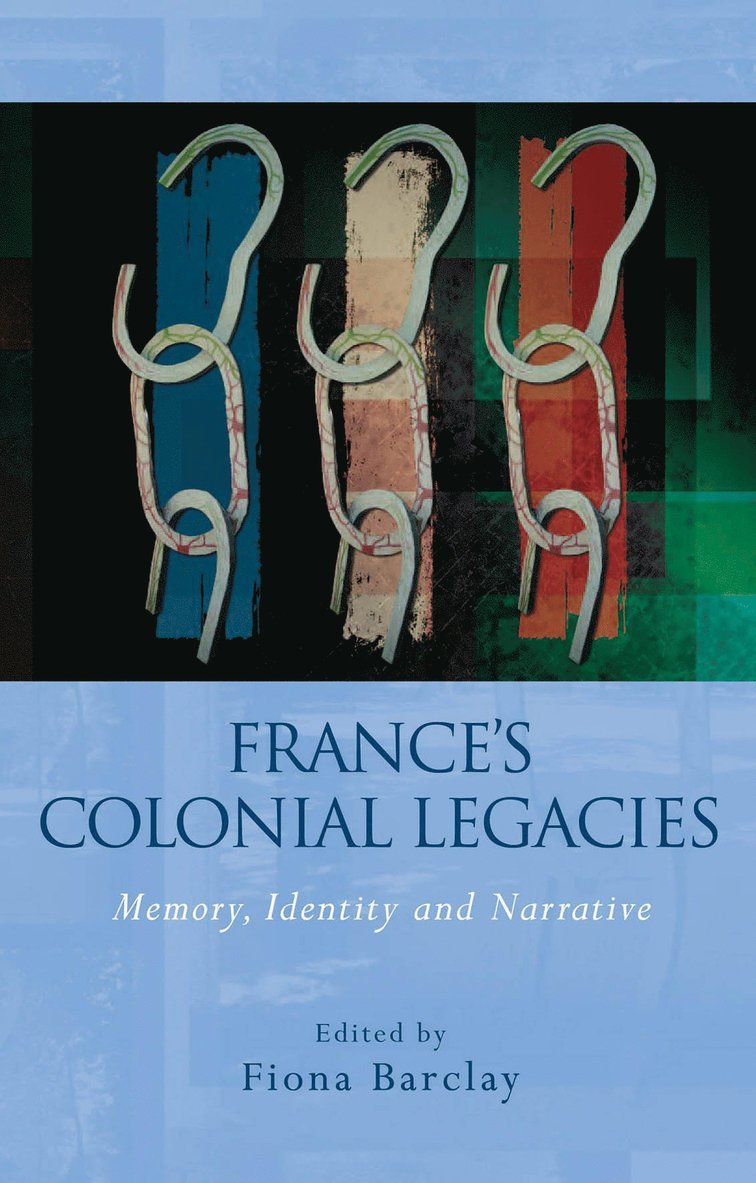
France's Colonial Legacies
Memory, Identity and Narrative
Av Fiona Barclay, Fiona Barclay
Inbunden, 2013
811 kr
Lägg i varukorg
In an era of commemoration, France's Colonial Legacies contributes to the debates taking place in France about the place of empire in the contemporary life of the nation, debates that have been underway since the 1990s and that now reach across public life and society with manifestations in the …
France's Colonial Legacies
Memory, Identity and Narrative
Av Fiona Barclay, Fiona Barclay
E-bok, 2013
472 kr
Lägg i varukorg
In an era of commemoration, France's Colonial Legacies contributes to the debates taking place in France about the place of empire in the contemporary life of the nation, debates that have been underway since the 1990s and that now reach across public life and society with manifestations in the …
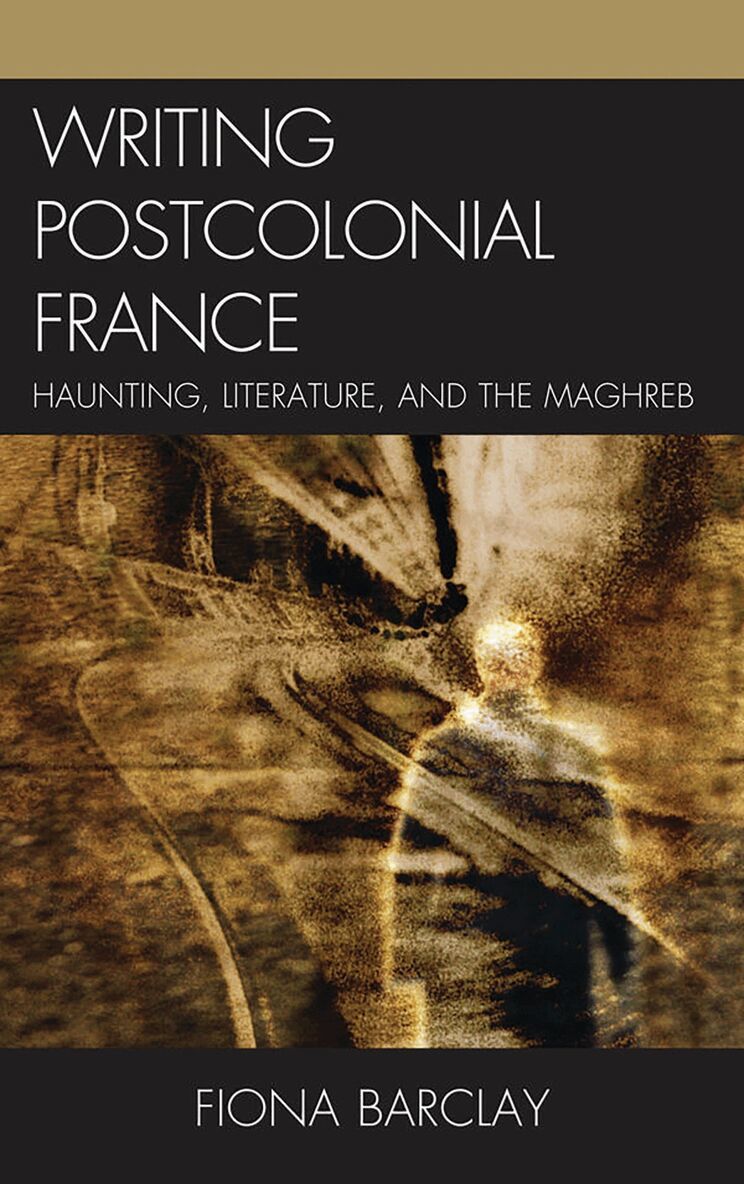
Writing Postcolonial France
Haunting, Literature, and the Maghreb
Inbunden, 2011
1556 kr
Lägg i varukorg
This book examines the way in which France has failed to come to terms with the end of its empire, and is now haunted by the legacy of its colonial relationship with North Africa. It examines the form assumed by the ghosts of the past in fiction from a range of genres (travel writing, detective …
France's Colonial Legacies
Memory, Identity and Narrative
Av Fiona Barclay, Fiona Barclay
E-bok, 2013
457 kr
Lägg i varukorg
In an era of commemoration, France's Colonial Legacies contributes to the debates taking place in France about the place of empire in the contemporary life of the nation, debates that have been underway since the 1990s and that now reach across public life and society with manifestations in the …
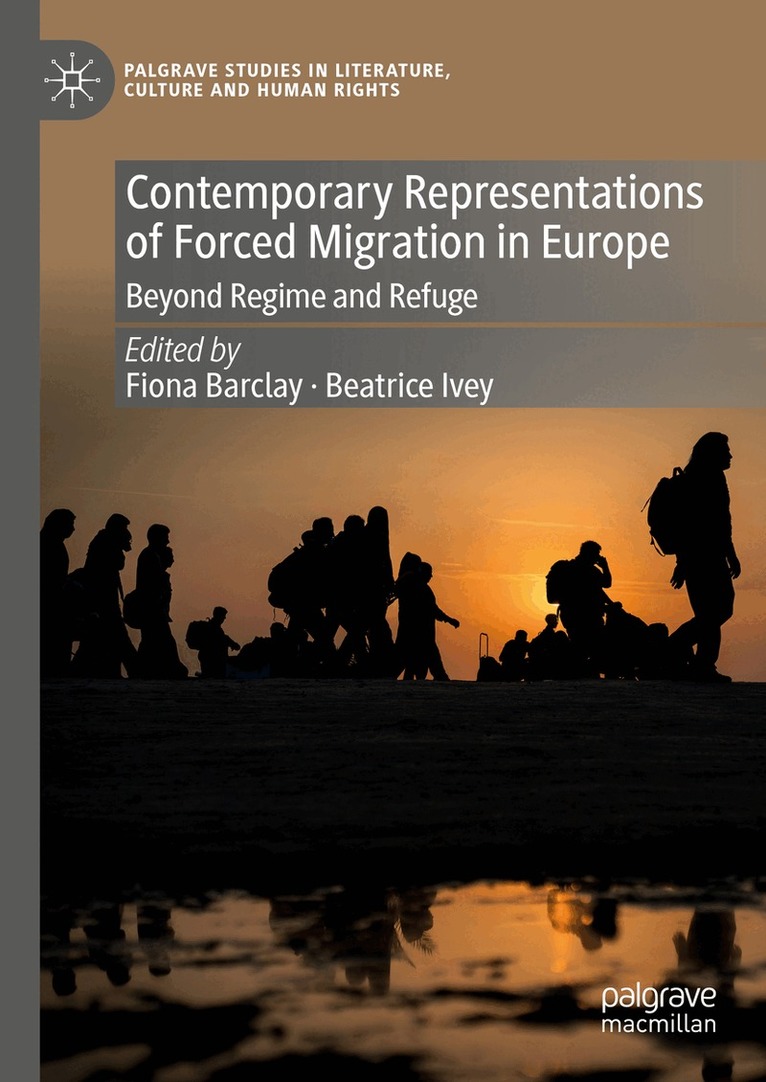
Contemporary Representations of Forced Migration in Europe
Beyond Regime and Refuge
Av Fiona Barclay, Beatrice Ivey
Inbunden, 2024
2029 kr
Lägg i varukorg
This book engages with current debates around refugeedom by examining cultural production that represents and interrogates the construction of refugees and the refugee experience on the borders of contemporary Europe. The refugee subject is produced by discursive regimes and border practices …
Contemporary Representations of Forced Migration in Europe
Beyond Regime and Refuge
Av Beatrice Ivey, Fiona Barclay
E-bok, 2024
2312 kr
Lägg i varukorg
This book engages with current debates around refugeedom by examining cultural production that represents and interrogates the construction of refugees and the refugee experience on the borders of contemporary Europe. The refugee subject is produced by discursive regimes and border practices …
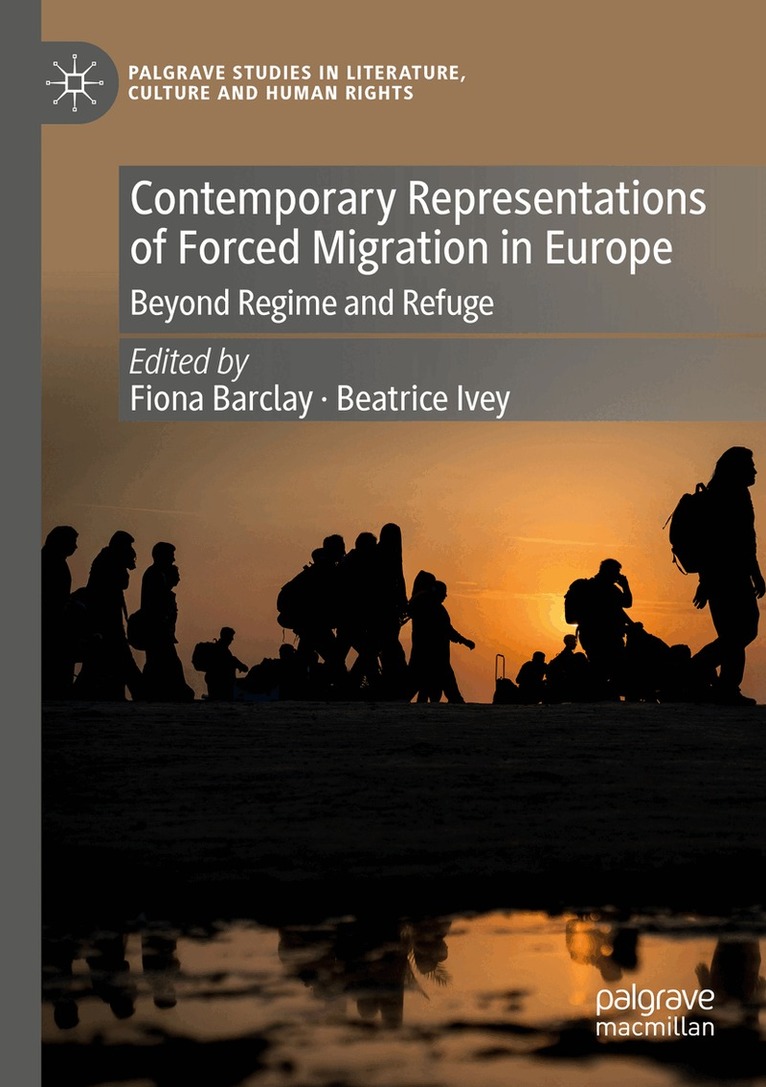
Contemporary Representations of Forced Migration in Europe
Beyond Regime and Refuge
Av Fiona Barclay, Beatrice Ivey
Häftad, 2025
1693 kr
Lägg i varukorg
This book engages with current debates around refugeedom by examining cultural production that represents and interrogates the construction of refugees and the refugee experience on the borders of contemporary Europe. The refugee subject is produced by discursive regimes and border practices …