Florentine Maier – författare
Visar alla böcker från författaren Florentine Maier. Handla med fri frakt och snabb leverans.
3 produkter
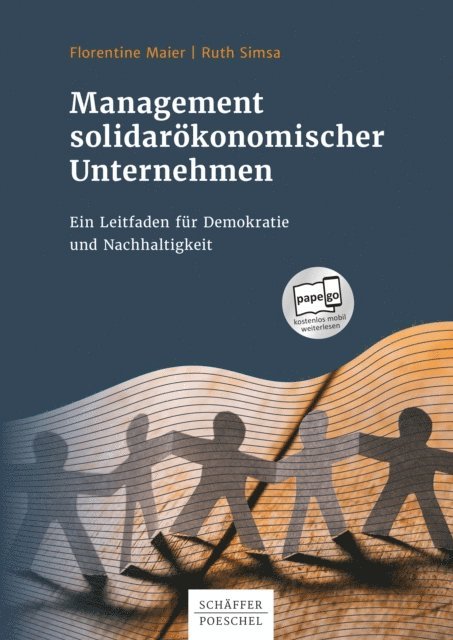
Management solidarökonomischer Unternehmen
Ein Leitfaden für Demokratie und Nachhaltigkeit
Av Ruth Simsa, Florentine Maier
E-bok, 2019
459 kr
Lägg i varukorg
Offene Nähwerkstatt, Umsonstläden und Repair-Cafés sind kleine Beispiele für die wachsende Zahl von alternativen Wirtschaftsinitiativen. Aber nicht nur die Bedeutung solidarökonomischer Unternehmen nimmt zu, auch in gewinnorientierten Unternehmen werden die Methoden der solidarischen Ökonomie, wie …
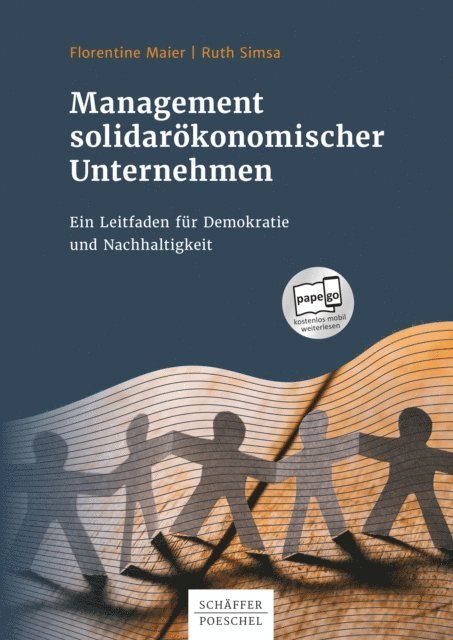
Management solidarökonomischer Unternehmen
Ein Leitfaden für Demokratie und Nachhaltigkeit
Av Ruth Simsa, Florentine Maier
E-bok, 2019
459 kr
Lägg i varukorg
Offene Nähwerkstatt, Umsonstläden und Repair-Cafés sind kleine Beispiele für die wachsende Zahl von alternativen Wirtschaftsinitiativen. Aber nicht nur die Bedeutung solidarökonomischer Unternehmen nimmt zu, auch in gewinnorientierten Unternehmen werden die Methoden der solidarischen Ökonomie, wie …
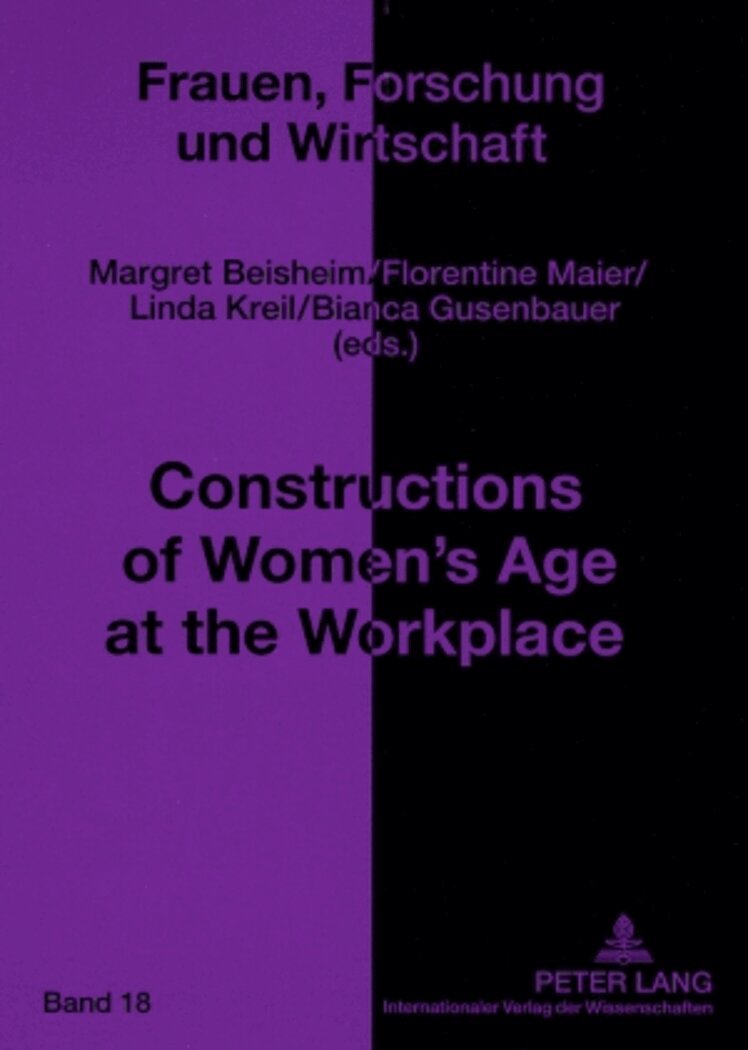
Constructions of Women’s Age at the Workplace
Av Margret Beisheim, Florentine Maier m. fl.
Häftad, 2008
397 kr
Tillfälligt slut
A woman is seldom perceived as «ageless», but is habitually categorized and assessed according to her age. Age-specific expectations exist for her body, her behaviour, and her way of living. In an economic context, these social norms concerning age and ageing have important consequences for women. …