

E-bok
Engelska, 20231 754 kr
Läs direkt efter köp
1 754 kr
Läs direkt efter köp

1 498 kr
Skickas inom 11-20 vardagar
682 kr
Skickas inom 10-15 vardagar
2 278 kr
Skickas inom 10-15 vardagar
725 kr
Läs direkt efter köp
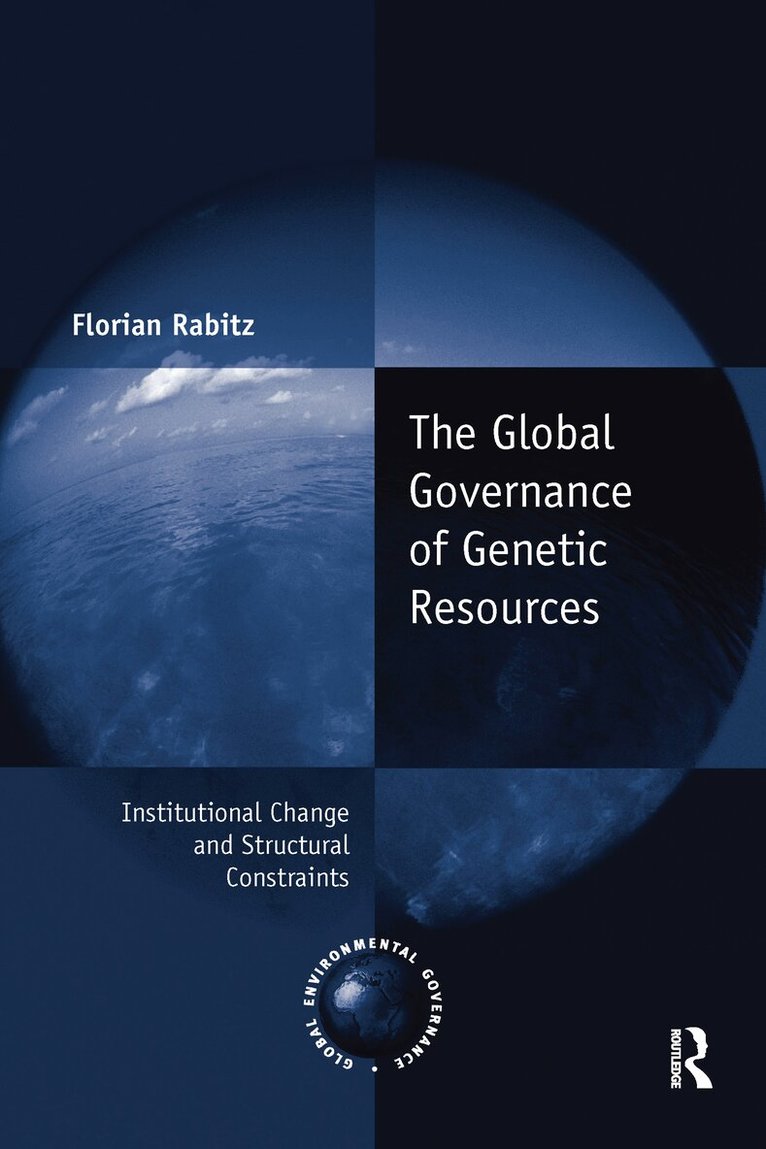
Multi-institutional governance architectures are increasingly common in world politics, yet how do they evolve over time? This book develops a fresh conceptual approach by distinguishing two main types of institutional change and by proposing the strategic context within which governments make decisions regarding international cooperation as the main driving factor. Applying this theoretical framework to the case of genetic resources, it shows how the scope for change has persistently been circumscribed by asymmetries in the global biotechnology sector. Taking a broad view of the underlying technological, legal and economic factors, the book analyzes the formation of international regimes linking access to genetic resources to the fair and equitable sharing of the benefits arising out of their utilization. Covering negotiations in the areas of seeds, intellectual property rights, pandemic influenza viruses and marine genetic resources, the author shows how governments have persistently faced the problem of ensuring cooperation among actors with widely differing interests. This led them to opt for a strategy of institutional layering, whereby new international instruments are gradually built upon pre-existing ones. In addition to giving a comprehensive overview of the international governance of Access and Benefit-sharing within the wider context of modern biotechnology, the argument developed here enables a new perspective for studying institutional change in multi-institutional governance architectures.
820 kr
Läs direkt efter köp
Multi-institutional governance architectures are increasingly common in world politics, yet how do they evolve over time? This book develops a fresh conceptual approach by distinguishing two main types of institutional change and by proposing the strategic context within which governments make decisions regarding international cooperation as the main driving factor. Applying this theoretical framework to the case of genetic resources, it shows how the scope for change has persistently been circumscribed by asymmetries in the global biotechnology sector. Taking a broad view of the underlying technological, legal and economic factors, the book analyzes the formation of international regimes linking access to genetic resources to the fair and equitable sharing of the benefits arising out of their utilization. Covering negotiations in the areas of seeds, intellectual property rights, pandemic influenza viruses and marine genetic resources, the author shows how governments have persistently faced the problem of ensuring cooperation among actors with widely differing interests. This led them to opt for a strategy of institutional layering, whereby new international instruments are gradually built upon pre-existing ones. In addition to giving a comprehensive overview of the international governance of Access and Benefit-sharing within the wider context of modern biotechnology, the argument developed here enables a new perspective for studying institutional change in multi-institutional governance architectures.