Florian Stammler – författare
Visar alla böcker från författaren Florian Stammler. Handla med fri frakt och snabb leverans.
10 produkter
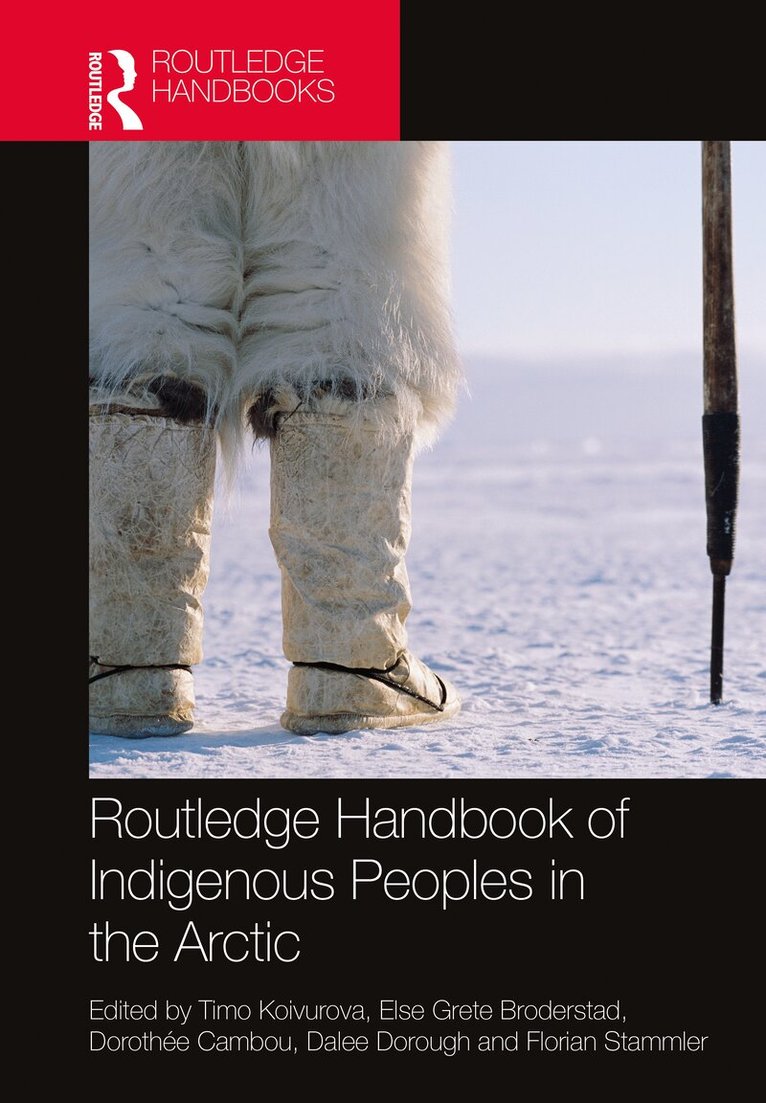
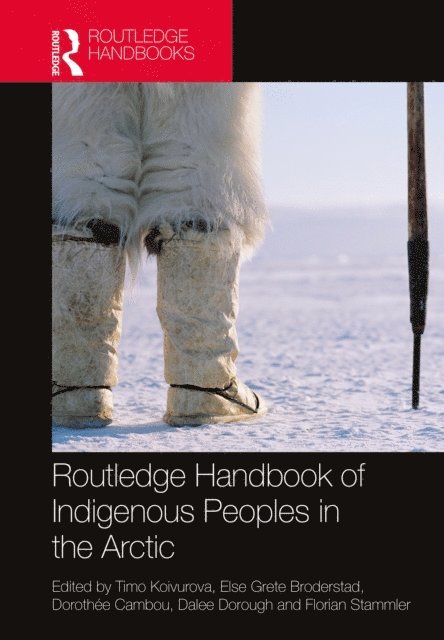
Routledge Handbook of Indigenous Peoples in the Arctic
Av Timo Koivurova, Else Grete Broderstad m. fl.
Inbunden, 2020
3793 kr
Lägg i varukorg
This handbook brings together the expertise of Indigenous and non-Indigenous scholars to offer a comprehensive overview of issues surrounding the well-being, self-determination and sustainability of Indigenous peoples in the Arctic.Offering multidisciplinary insights from leading figures, this …
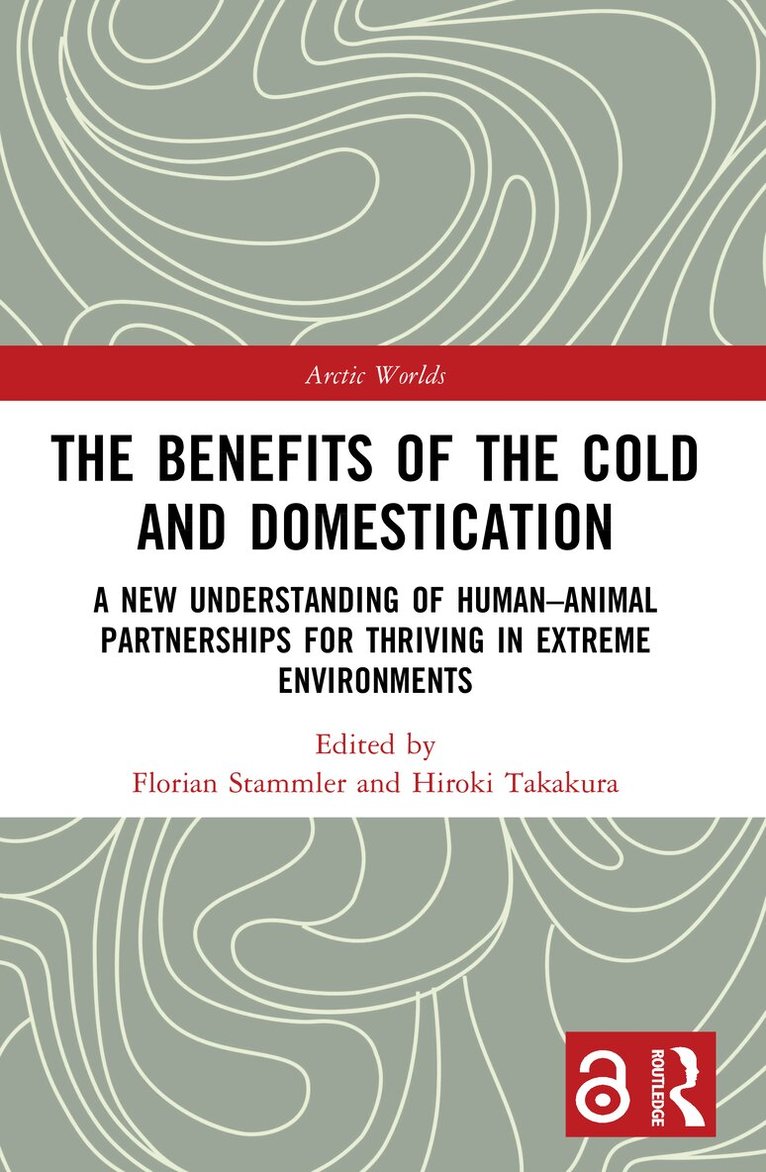
Benefits of the Cold and Domestication
A New Understanding of Human–Animal Partnerships for Thriving in Extreme Environments
Av Florian Stammler, Hiroki Takakura
Inbunden, 2025
2504 kr
Lägg i varukorg
This book explores cooperation between humans and animals in extreme environments and contends that understanding domestication is crucial to explaining how life is possible in such conditions.The chapters draw on work from anthropology, genetics, law, and geography, with a range of ethnographic …
Young People, Wellbeing and Sustainable Arctic Communities
Av Florian Stammler, Reetta Toivanen
Inbunden, 2021
2504 kr
Lägg i varukorg
Youth are usually not (yet) decision makers in politics or in business corporations, but the sustainability of Arctic settlements depends on whether or not youth envision such places as offering opportunities for a good future. This is the first multidisciplinary volume presenting original research …
Young People, Wellbeing and Sustainable Arctic Communities
Av Florian Stammler, Reetta Toivanen
Häftad, 2023
689 kr
Lägg i varukorg
Youth are usually not (yet) decision makers in politics or in business corporations, but the sustainability of Arctic settlements depends on whether or not youth envision such places as offering opportunities for a good future. This is the first multidisciplinary volume presenting original research …
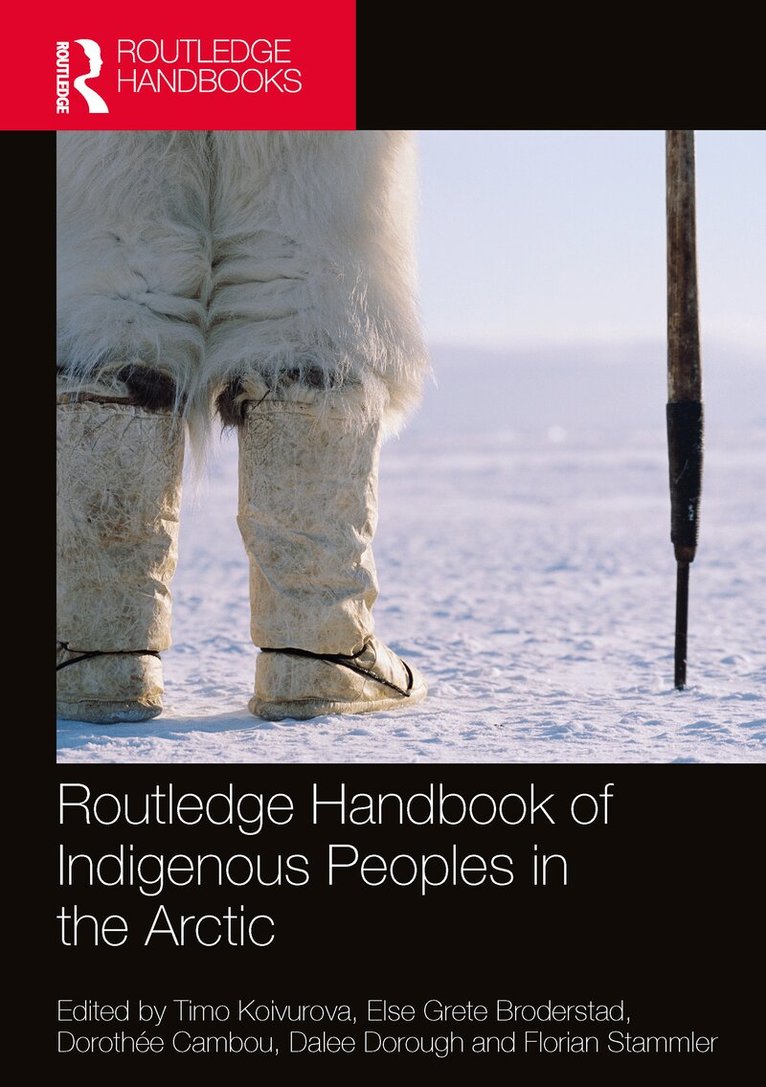
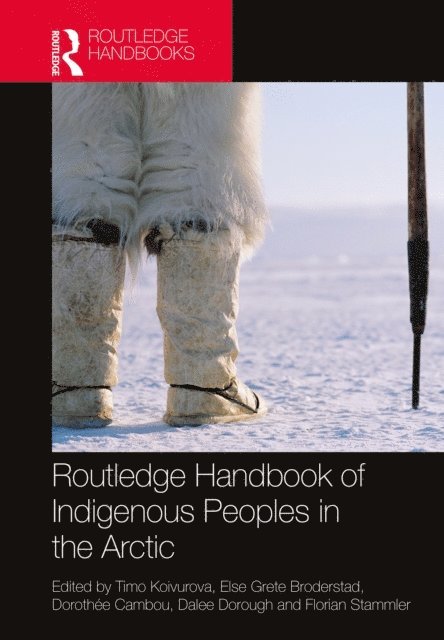
Routledge Handbook of Indigenous Peoples in the Arctic
Av Timo Koivurova, Else Grete Broderstad m. fl.
Häftad, 2023
718 kr
Lägg i varukorg
This handbook brings together the expertise of Indigenous and non-Indigenous scholars to offer a comprehensive overview of issues surrounding the well-being, self-determination and sustainability of Indigenous peoples in the Arctic.Offering multidisciplinary insights from leading figures, this …
Routledge Handbook of Indigenous Peoples in the Arctic
Av Florian Stammler, Dalee Dorough m. fl.
E-bok, 2020
781 kr
Lägg i varukorg
This handbook brings together the expertise of Indigenous and non-Indigenous scholars to offer a comprehensive overview of issues surrounding the well-being, self-determination and sustainability of Indigenous peoples in the Arctic. Offering multidisciplinary insights from leading figures, this …
Routledge Handbook of Indigenous Peoples in the Arctic
Av Florian Stammler, Dalee Dorough m. fl.
E-bok, 2020
781 kr
Lägg i varukorg
This handbook brings together the expertise of Indigenous and non-Indigenous scholars to offer a comprehensive overview of issues surrounding the well-being, self-determination and sustainability of Indigenous peoples in the Arctic. Offering multidisciplinary insights from leading figures, this …
Benefits of the Cold and Domestication
A New Understanding of Human–Animal Partnerships for Thriving in Extreme Environments
Av Florian Stammler, Hiroki Takakura
Häftad, 2026
706 kr
Lägg i varukorg
This book explores cooperation between humans and animals in extreme environments and contends that understanding domestication is crucial to explaining how life is possible in such conditions.The chapters draw on work from anthropology, genetics, law, and geography, with a range of ethnographic …
Benefits of the Cold and Domestication
A New Understanding of Human–Animal Partnerships for Thriving in Extreme Environments
Av Hiroki Takakura, Florian Stammler
E-bok, 2025
27 kr
Lägg i varukorg
This book explores cooperation between humans and animals in extreme environments and contends that understanding domestication is crucial to explaining how life is possible in such conditions. The chapters draw on work from anthropology, genetics, law, and geography, with a range of ethnographic …
Benefits of the Cold and Domestication
A New Understanding of Human–Animal Partnerships for Thriving in Extreme Environments
Av Hiroki Takakura, Florian Stammler
E-bok, 2025
729 kr
Lägg i varukorg
This book explores cooperation between humans and animals in extreme environments and contends that understanding domestication is crucial to explaining how life is possible in such conditions. The chapters draw on work from anthropology, genetics, law, and geography, with a range of ethnographic …