Florian Weigand - Böcker
Visar alla böcker från författaren Florian Weigand. Handla med fri frakt och snabb leverans.
5 produkter
5 produkter
1 137 kr
Skickas inom 7-10 vardagar
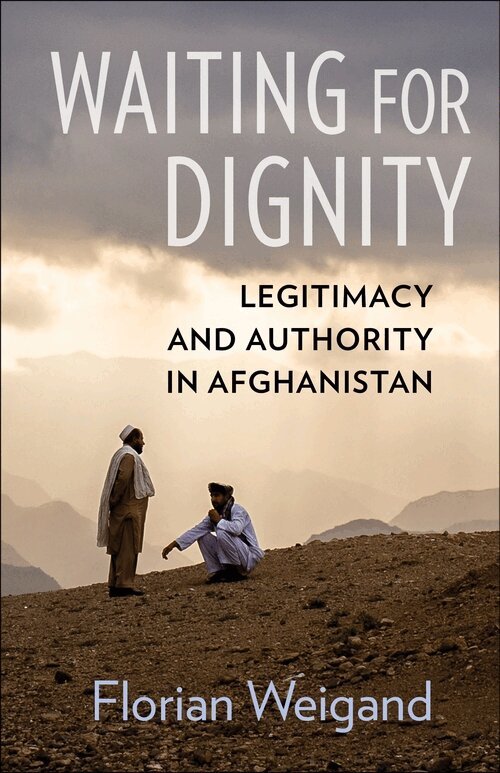
In August 2021, Taliban fighters entered the presidential palace in Kabul, ending twenty years of international efforts to build a democratic state in Afghanistan. Did the Taliban’s success rest on coercion and violence alone, or did they win the battle for public support through ideology and better services? Or did most people in the country not believe in the idea of the state at all, trusting only local elders and traditional councils? What is the source of legitimacy during armed conflict?In Waiting for Dignity, Florian Weigand investigates legitimacy and its absence in Afghanistan. Drawing on hundreds of interviews, he examines the perspectives of ordinary people in Afghanistan as well as those of rival claimants to authority: insurgents, warlords, members of parliament, security forces, and community leaders. By exploring how different types of authority attempted to legitimize their rule, Waiting for Dignity challenges common assumptions about how to build legitimacy, such as by delivering services, holding elections, or adopting traditional institutions. Weigand shows that what matters in conflict zones is what he terms interactive dignity: Citizens judge authorities on the basis of their day-to-day experiences with them. People want to be treated with dignity. The extent to which people perceive interactions to be fair, inclusive, and respectful is vital to the construction of lasting order. Combining theoretical originality with in-depth and compelling empirical detail, this book offers timely new insights into recent developments in Afghanistan and the challenges facing conflict-torn areas more widely.
290 kr
Skickas inom 7-10 vardagar
In August 2021, Taliban fighters entered the presidential palace in Kabul, ending twenty years of international efforts to build a democratic state in Afghanistan. Did the Taliban’s success rest on coercion and violence alone, or did they win the battle for public support through ideology and better services? Or did most people in the country not believe in the idea of the state at all, trusting only local elders and traditional councils? What is the source of legitimacy during armed conflict?In Waiting for Dignity, Florian Weigand investigates legitimacy and its absence in Afghanistan. Drawing on hundreds of interviews, he examines the perspectives of ordinary people in Afghanistan as well as those of rival claimants to authority: insurgents, warlords, members of parliament, security forces, and community leaders. By exploring how different types of authority attempted to legitimize their rule, Waiting for Dignity challenges common assumptions about how to build legitimacy, such as by delivering services, holding elections, or adopting traditional institutions. Weigand shows that what matters in conflict zones is what he terms interactive dignity: Citizens judge authorities on the basis of their day-to-day experiences with them. People want to be treated with dignity. The extent to which people perceive interactions to be fair, inclusive, and respectful is vital to the construction of lasting order. Combining theoretical originality with in-depth and compelling empirical detail, this book offers timely new insights into recent developments in Afghanistan and the challenges facing conflict-torn areas more widely.
3 107 kr
Skickas inom 10-15 vardagar
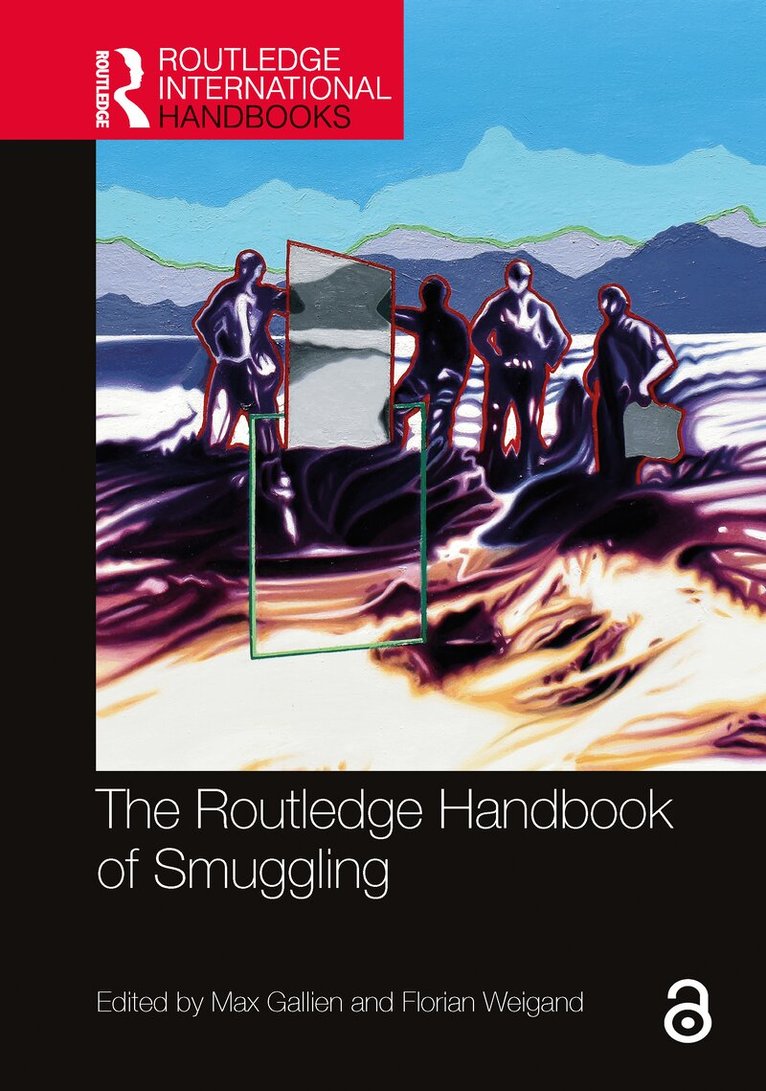
The Routledge Handbook of Smuggling offers a comprehensive survey of interdisciplinary research related to smuggling, reflecting on key themes, and charting current and future trends.Divided into six parts and spanning over 30 chapters, the volume covers themes such as mobility, borders, violent conflict, and state politics, as well as looks at the smuggling of specific goods – from rice and gasoline to wildlife, weapons, and cocaine. Chapters engage with some of the most contentious academic and policy debates of the twenty-first century, including the historical creation of borders, re-bordering, the criminalisation of migration, and the politics of selective toleration of smuggling. As it maps a field that contains unique methodological, ethical, and risk-related challenges, the book takes stock not only of the state of our shared knowledge, but also reflects on how this has been produced, pointing to blind spots and providing an informed vision of the future of the field.Bringing together established and emerging scholars from around the world, The Routledge Handbook of Smuggling is an indispensable resource for students and researchers of conflict studies, borderland studies, criminology, political science, global development, anthropology, sociology, and geography.
589 kr
Skickas inom 10-15 vardagar
The Routledge Handbook of Smuggling offers a comprehensive survey of interdisciplinary research related to smuggling, reflecting on key themes, and charting current and future trends.Divided into six parts and spanning over 30 chapters, the volume covers themes such as mobility, borders, violent conflict, and state politics, as well as looks at the smuggling of specific goods – from rice and gasoline to wildlife, weapons, and cocaine. Chapters engage with some of the most contentious academic and policy debates of the twenty-first century, including the historical creation of borders, re-bordering, the criminalisation of migration, and the politics of selective toleration of smuggling. As it maps a field that contains unique methodological, ethical, and risk-related challenges, the book takes stock not only of the state of our shared knowledge, but also reflects on how this has been produced, pointing to blind spots and providing an informed vision of the future of the field.Bringing together established and emerging scholars from around the world, The Routledge Handbook of Smuggling is an indispensable resource for students and researchers of conflict studies, borderland studies, criminology, political science, global development, anthropology, sociology, and geography.
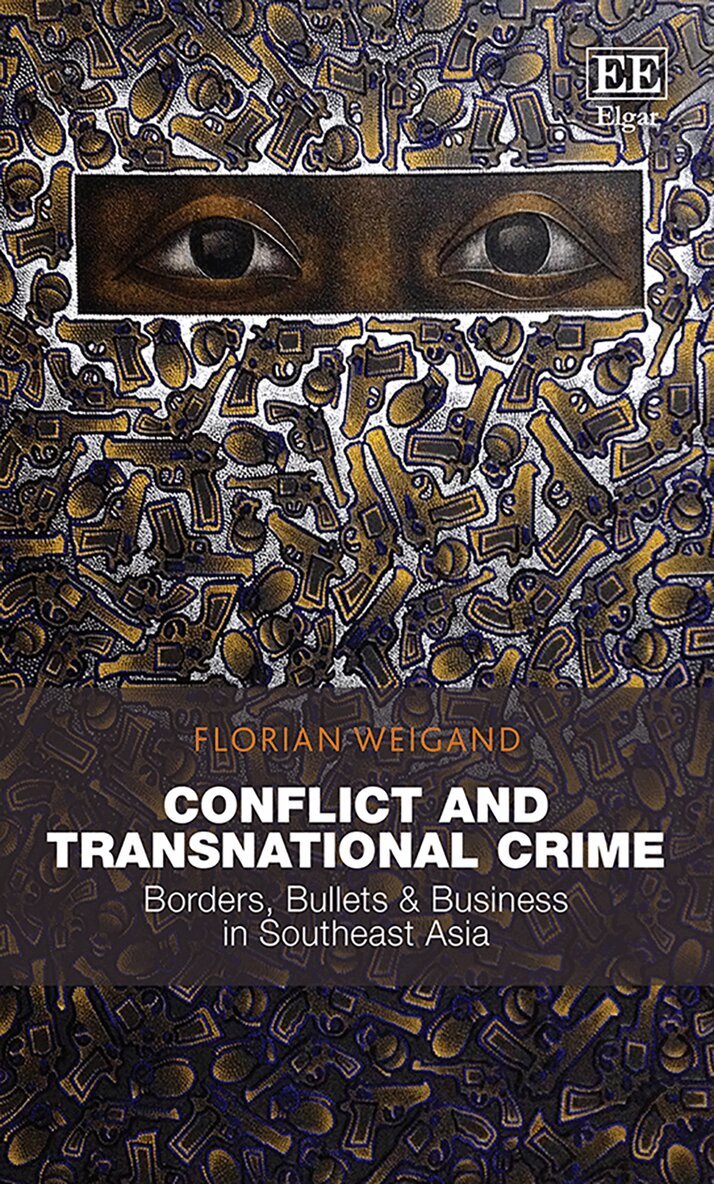
Conflict and Transnational Crime
Borders, Bullets & Business in Southeast Asia
Inbunden, Engelska, 2020
1 423 kr
Skickas inom 7-10 vardagar
Exploring the links between armed conflict and transnational crime, Florian Weigand builds on in-depth empirical research into some of Southeast Asia's murkiest borders. The disparate voices of drug traffickers, rebel fighters, government officials and victims of armed conflict are heard in Conflict and Transnational Crime, exploring perspectives that have been previously disregarded in understanding the field.Weigand's nuanced comparative analysis of four border regions in Southeast Asia counters the stereotypical view that conflict zones are lawless areas in which all kinds of criminal activities flourish. Chapters illustrate the logic that determines the relationship between armed conflict and transnational crime. Further, the book analyses how smuggling economies function in conflict zones, explaining why some rebel groups are involved in the smuggling economy more than others, and why state actors actually play a much more crucial role.This crucial study will be a compelling read for international relations, political sociology and development studies scholars. The in-depth analysis of real-life situations will also greatly benefit policy-makers and aid organisations looking to better support areas at the heart of conflict and transnational crime.