Fortune Sibanda – författare
Visar alla böcker från författaren Fortune Sibanda. Handla med fri frakt och snabb leverans.
11 produkter
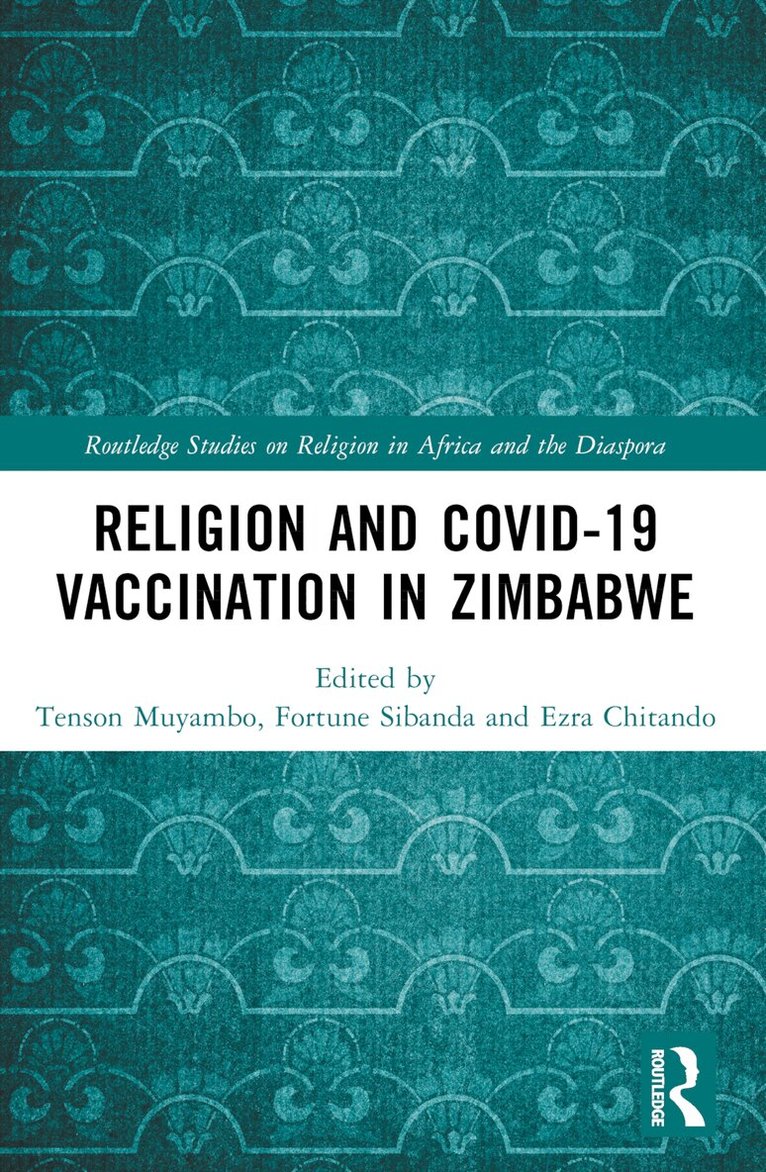
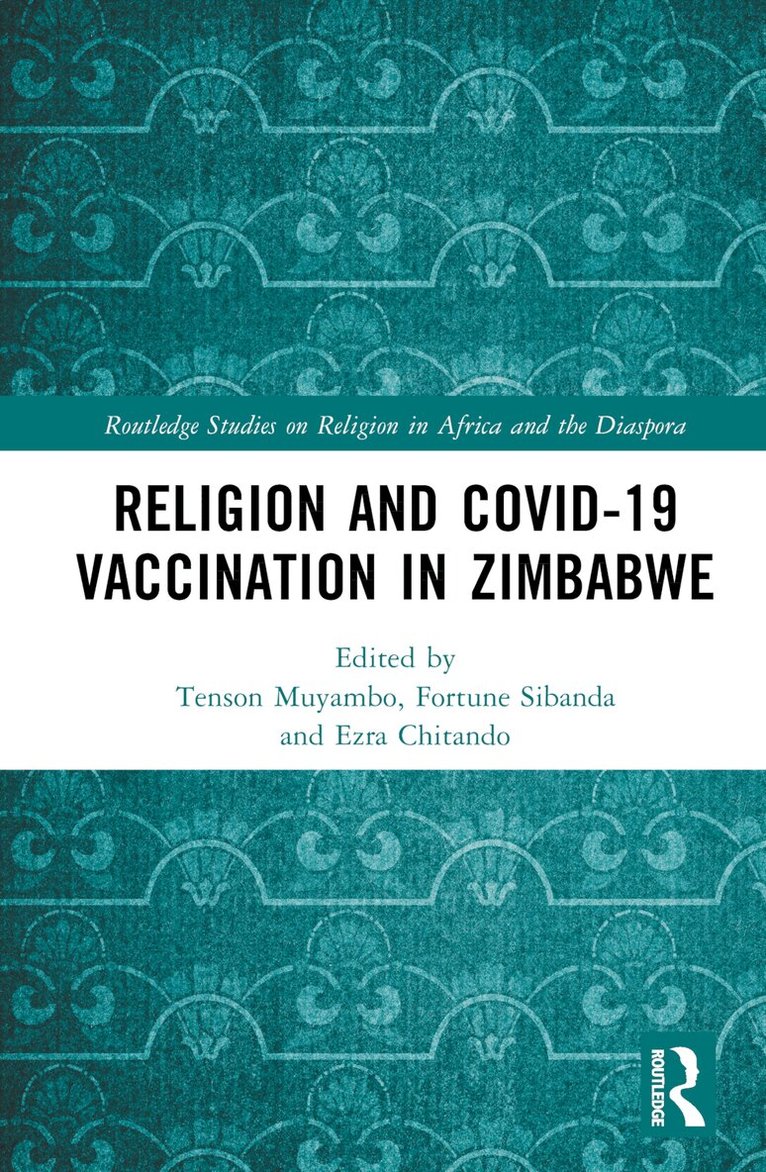
Religion and COVID-19 Vaccination in Zimbabwe
Av Tenson Muyambo, Fortune Sibanda m. fl.
Häftad, 2025
649 kr
Lägg i varukorg
This book analyses the role of religion during the COVID- 19 pandemic and vaccination rollout in Zimbabwe.Zimbabwe was listed by the World Health Organization (WHO) as one of thirteen African countries to have fully vaccinated more than 10% of its population against COVID- 19 by the end of …
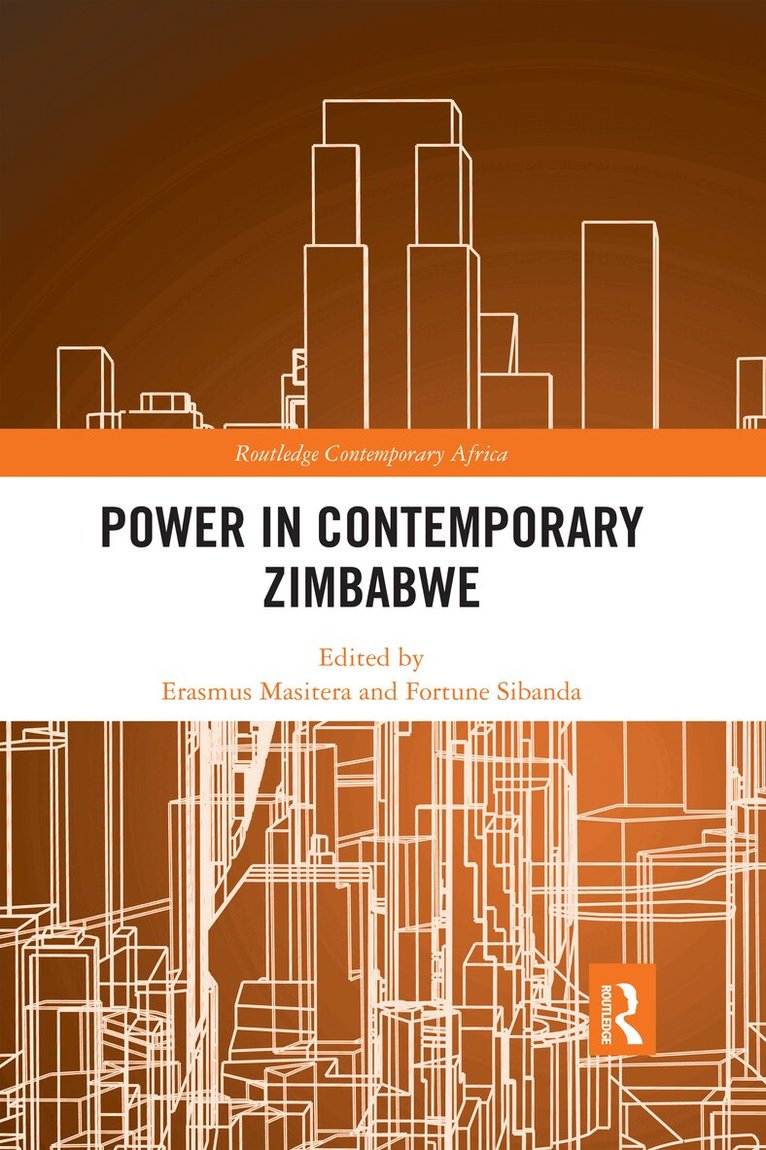
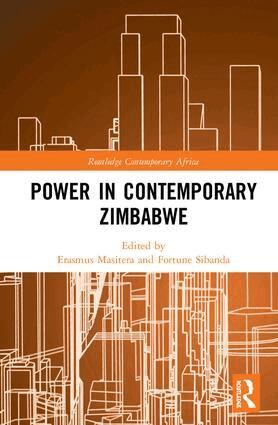
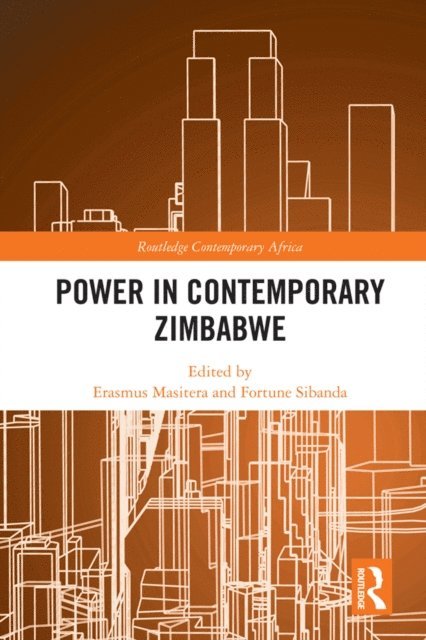
Power in Contemporary Zimbabwe
Av Erasmus Masitera, Fortune Sibanda
Häftad, 2020
690 kr
Lägg i varukorg
In recent years, the Zimbabwe crisis rendered the country and its citizens to be a typical case of ‘failed states’, the world over. Zimbabwean society was and is still confronted with different challenges which include political, economic and social problems. Attempts to overcome these challenges …
Religion and COVID-19 Vaccination in Zimbabwe
Av Ezra Chitando, Fortune Sibanda m. fl.
E-bok, 2023
762 kr
Lägg i varukorg
This book analyses the role of religion during the COVID- 19 pandemic and vaccination rollout in Zimbabwe. Zimbabwe was listed by the World Health Organization (WHO) as one of thirteen African countries to have fully vaccinated more than 10% of its population against COVID- 19 by the end of …
Religion and COVID-19 Vaccination in Zimbabwe
Av Ezra Chitando, Fortune Sibanda m. fl.
E-bok, 2023
746 kr
Lägg i varukorg
This book analyses the role of religion during the COVID- 19 pandemic and vaccination rollout in Zimbabwe. Zimbabwe was listed by the World Health Organization (WHO) as one of thirteen African countries to have fully vaccinated more than 10% of its population against COVID- 19 by the end of …
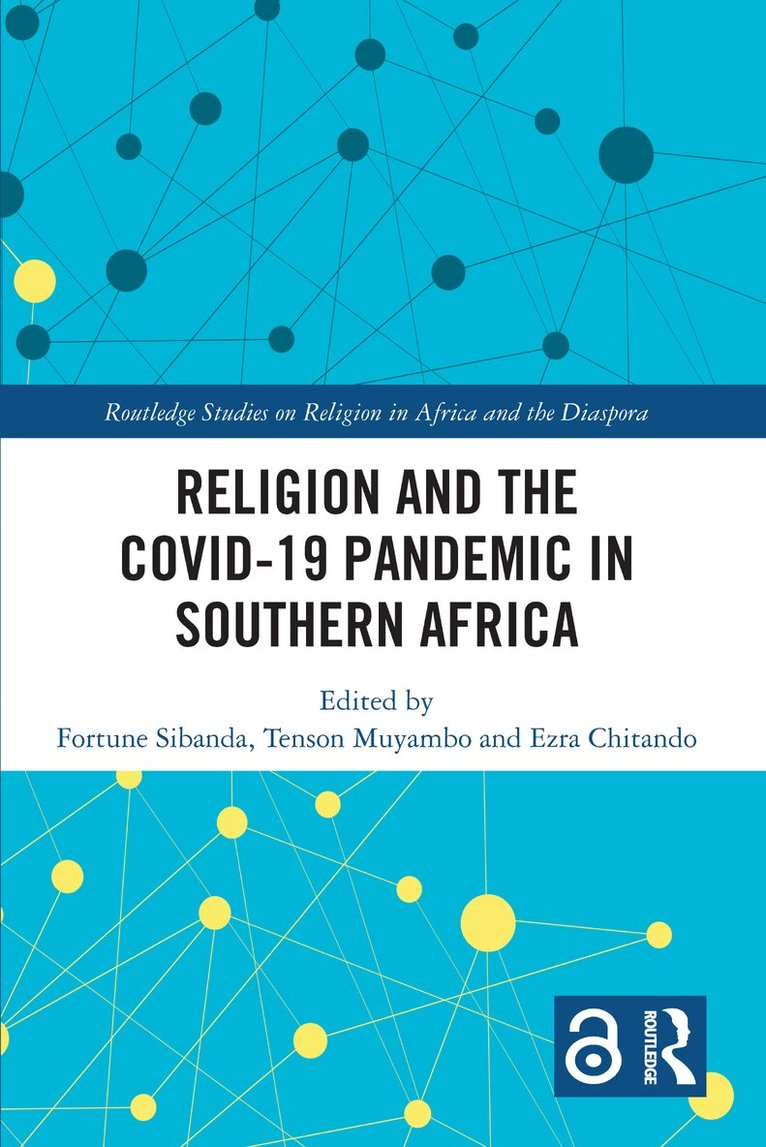
Religion and the COVID-19 Pandemic in Southern Africa
Av Fortune Sibanda, Tenson Muyambo m. fl.
Inbunden, 2022
2515 kr
Lägg i varukorg
This book investigates the role of religion in the context of the COVID-19 pandemic in Southern Africa.Building on a diverse range of methodologies and disciplinary approaches, the book reflects on how religion, politics and health have interfaced in Southern African contexts, when faced with the …
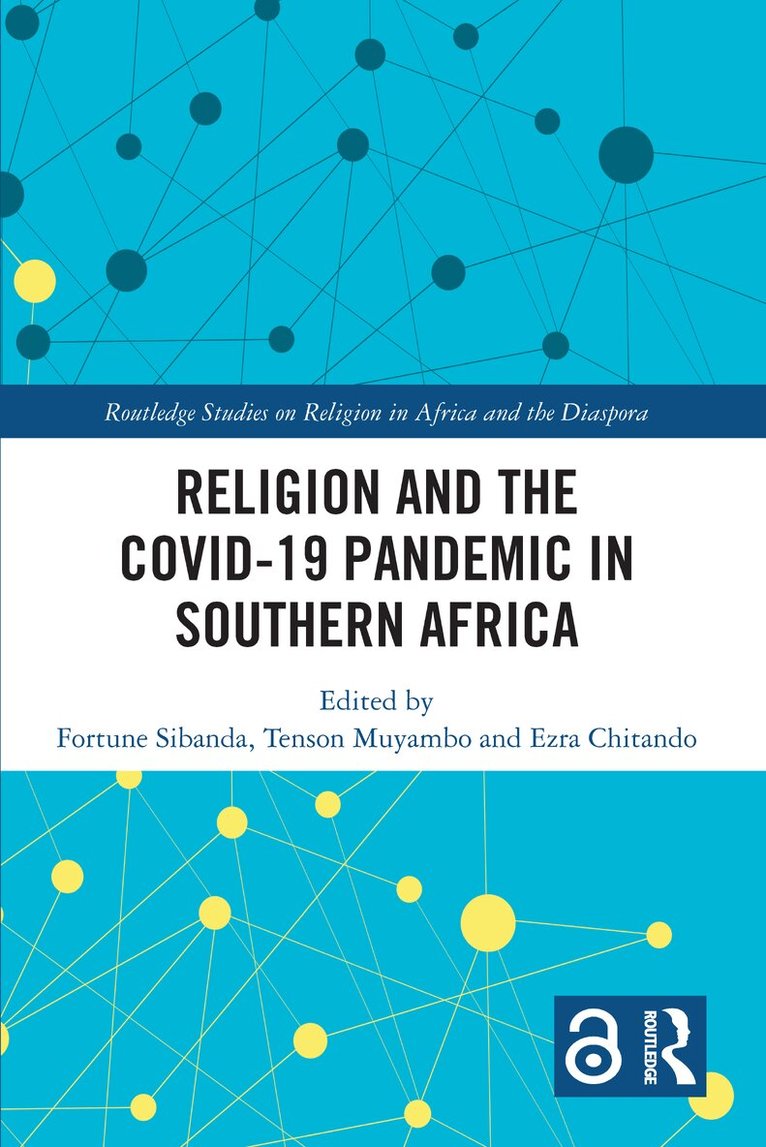
Religion and the COVID-19 Pandemic in Southern Africa
Av Fortune Sibanda, Tenson Muyambo m. fl.
Häftad, 2023
692 kr
Lägg i varukorg
This book investigates the role of religion in the context of the COVID-19 pandemic in Southern Africa.Building on a diverse range of methodologies and disciplinary approaches, the book reflects on how religion, politics and health have interfaced in Southern African contexts, when faced with the …
Religion and COVID-19 Vaccination in Zimbabwe
Av Tenson Muyambo, Fortune Sibanda m. fl.
Inbunden, 2023
2515 kr
Lägg i varukorg
This book analyses the role of religion during the COVID- 19 pandemic and vaccination rollout in Zimbabwe.Zimbabwe was listed by the World Health Organization (WHO) as one of thirteen African countries to have fully vaccinated more than 10% of its population against COVID- 19 by the end of …
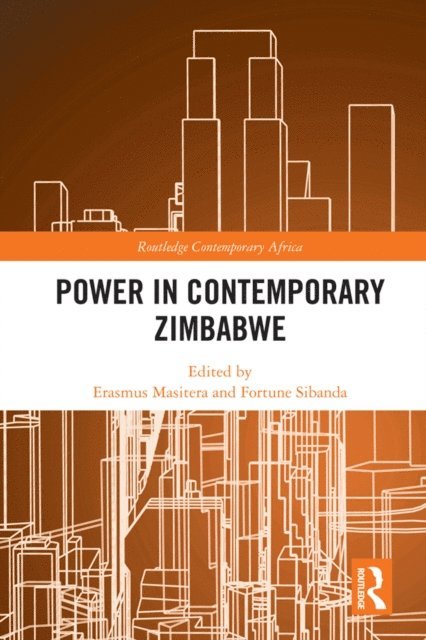
Power in Contemporary Zimbabwe
Av Erasmus Masitera, Fortune Sibanda
Inbunden, 2018
2515 kr
Lägg i varukorg
In recent years, the Zimbabwe crisis rendered the country and its citizens to be a typical case of ‘failed states’, the world over. Zimbabwean society was and is still confronted with different challenges which include political, economic and social problems. Attempts to overcome these challenges …
Power in Contemporary Zimbabwe
Av Fortune Sibanda, Erasmus Masitera
E-bok, 2018
814 kr
Lägg i varukorg
In recent years, the Zimbabwe crisis rendered the country and its citizens to be a typical case of ‘failed states’, the world over. Zimbabwean society was and is still confronted with different challenges which include political, economic and social problems. Attempts to overcome these …
Power in Contemporary Zimbabwe
Av Fortune Sibanda, Erasmus Masitera
E-bok, 2018
814 kr
Lägg i varukorg
In recent years, the Zimbabwe crisis rendered the country and its citizens to be a typical case of ‘failed states’, the world over. Zimbabwean society was and is still confronted with different challenges which include political, economic and social problems. Attempts to overcome these …
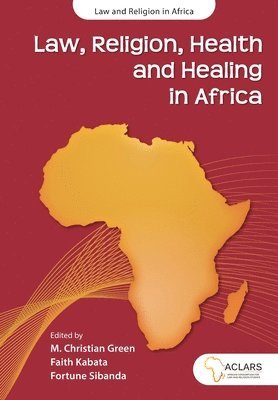
Law, Religion, Health and Healing in Africa
Av M Christian Green, Faith Kabata m. fl.
Häftad, 2022
322 kr
Lägg i varukorg