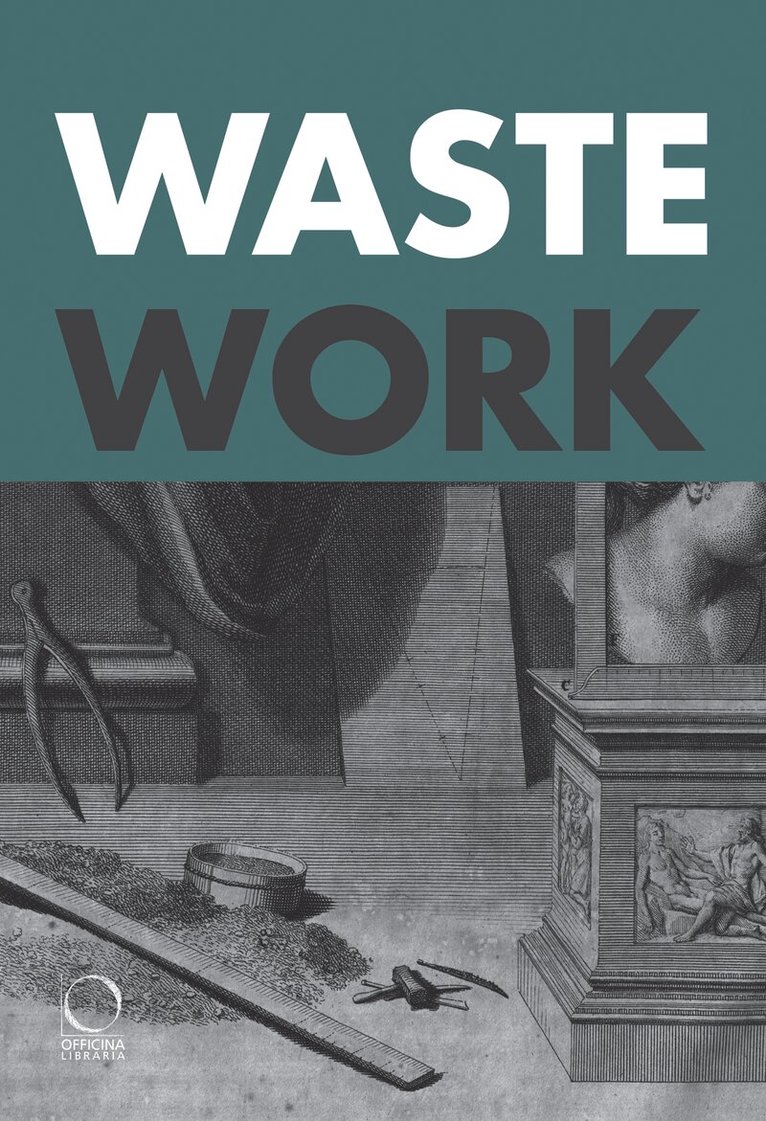
Paper scraps, metal filings, wool shearings... dismantled sets, spoiled rags, animal blood...How did these ostensibly worthless by-products of art and industry avoid the flames of the kitchen hearth or the sweep of the apprentice’s broom to spark ingenuity, generate new forms, and propel further acts of creation? Wastework moves beyond the well-researched category of spoliation, foregrounding waste as a material expression of the practices of ordering and classification by which people adjudicated between collection and disposal, wanted and unwanted, salvation and loss. Authors follow the afterlives of spent books and soiled textiles, peek behind the curtain of machine theatre, and venture into the smith’s foundry and the chemist’s laboratory. Bringing together research from historians of art, architecture, science, and the environment, this volume examines acts of disposal and reuse and the consequences these carry for the study of early modern material culture. Drawing from the fields of discard studies and Eco materialism, contributors test the usefulness of contemporary formulations—secondary product cycles, material fatigue, metabolic flows, sustainability, recycling—while also proposing new categories with which to re-imagine the discarded past.
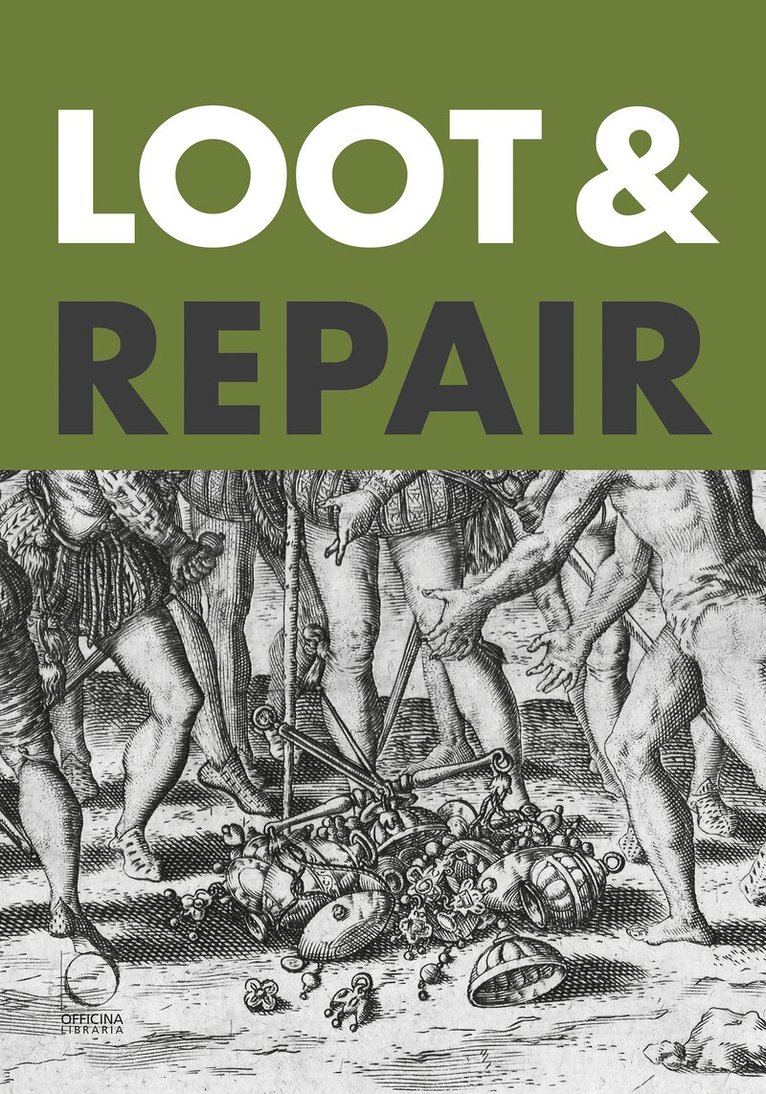
The term 'loot', indicating a category of objects that exists mainly as a function of conquest, describes a relationship of possession, if not more specifically of expropriation. Loot is not a classification of art history, but a primarily legal category, with which the discipline must nevertheless grapple, given its repercussions on what is accessible, where, and under what conditions.This volume investigates how conflict and its resolution historically moved, modified, and reclassified art objects in the long period of early modernity. Often obscured by narratives of Napoleonic plunder, the early modern period witnessed for the first time the constant transfer of artistic goods to the European continent, across the Atlantic and Pacific Oceans. These exports sparked moral, theological, and legal debates on property rights and led to codified rules for the conduct of war, introducing the issue of the return of seized objects as a diplomatic tool, as well as bringing to light laws to protect art from damage or illicit expropriation.The volume's contributions examine the diverse implications of claiming and recovering such assets in both wartime and peacetime, and also reflect on the relevance of these issues, particularly for the institutions that serve as today's custodians of these controversial stories, museums.
Paper scraps, metal filings, wool shearings... dismantled sets, spoiled rags, animal blood...How did these ostensibly worthless by-products of art and industry avoid the flames of the kitchen hearth or the sweep of the apprentice’s broom to spark ingenuity, generate new forms, and propel further acts of creation? Wastework moves beyond the well-researched category of spoliation, foregrounding waste as a material expression of the practices of ordering and classification by which people adjudicated between collection and disposal, wanted and unwanted, salvation and loss. Authors follow the afterlives of spent books and soiled textiles, peek behind the curtain of machine theatre, and venture into the smith’s foundry and the chemist’s laboratory. Bringing together research from historians of art, architecture, science, and the environment, this volume examines acts of disposal and reuse and the consequences these carry for the study of early modern material culture. Drawing from the fields of discard studies and Eco materialism, contributors test the usefulness of contemporary formulations—secondary product cycles, material fatigue, metabolic flows, sustainability, recycling—while also proposing new categories with which to re-imagine the discarded past.
The term 'loot', indicating a category of objects that exists mainly as a function of conquest, describes a relationship of possession, if not more specifically of expropriation. Loot is not a classification of art history, but a primarily legal category, with which the discipline must nevertheless grapple, given its repercussions on what is accessible, where, and under what conditions.This volume investigates how conflict and its resolution historically moved, modified, and reclassified art objects in the long period of early modernity. Often obscured by narratives of Napoleonic plunder, the early modern period witnessed for the first time the constant transfer of artistic goods to the European continent, across the Atlantic and Pacific Oceans. These exports sparked moral, theological, and legal debates on property rights and led to codified rules for the conduct of war, introducing the issue of the return of seized objects as a diplomatic tool, as well as bringing to light laws to protect art from damage or illicit expropriation.The volume's contributions examine the diverse implications of claiming and recovering such assets in both wartime and peacetime, and also reflect on the relevance of these issues, particularly for the institutions that serve as today's custodians of these controversial stories, museums.