Francesca Lugli – författare
Visar alla böcker från författaren . Handla med fri frakt och snabb leverans.
6 produkter
6 produkter
911 kr
Skickas inom 5-8 vardagar
Del 2235 - BAR International Series
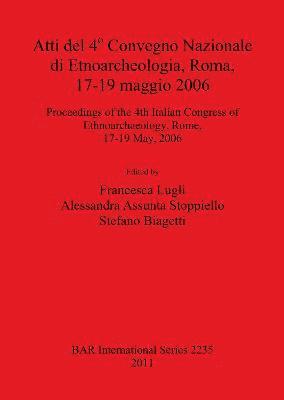
Atti del 4o Convegno Nazionale di Etnoarcheologia ROMA 17-19 maggio 2006 / Proceedings of the 4th Italian Congress of Ethnoarchaeology Rome 17-19 May
Häftad, Italienska, 2011
1 547 kr
Skickas inom 5-8 vardagar
Del 2472 - BAR International Series
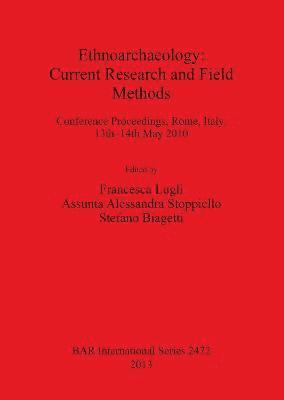
Ethnoarchaeology: Current Research and Field Methods
Conference Proceedings, Rome, Italy, 13th-14th May 2010
Häftad, Engelska, 2013
1 123 kr
Skickas inom 5-8 vardagar
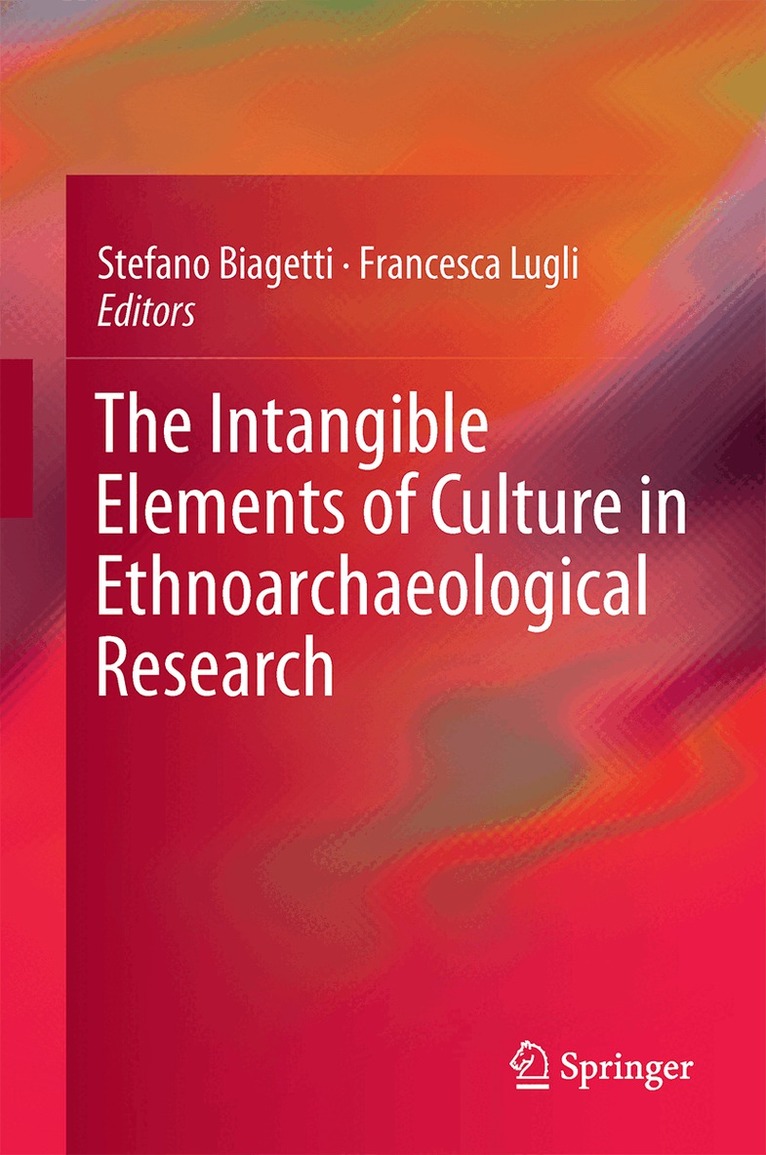
Inbunden, Engelska, 2016
1 557 kr
Skickas inom 10-15 vardagar
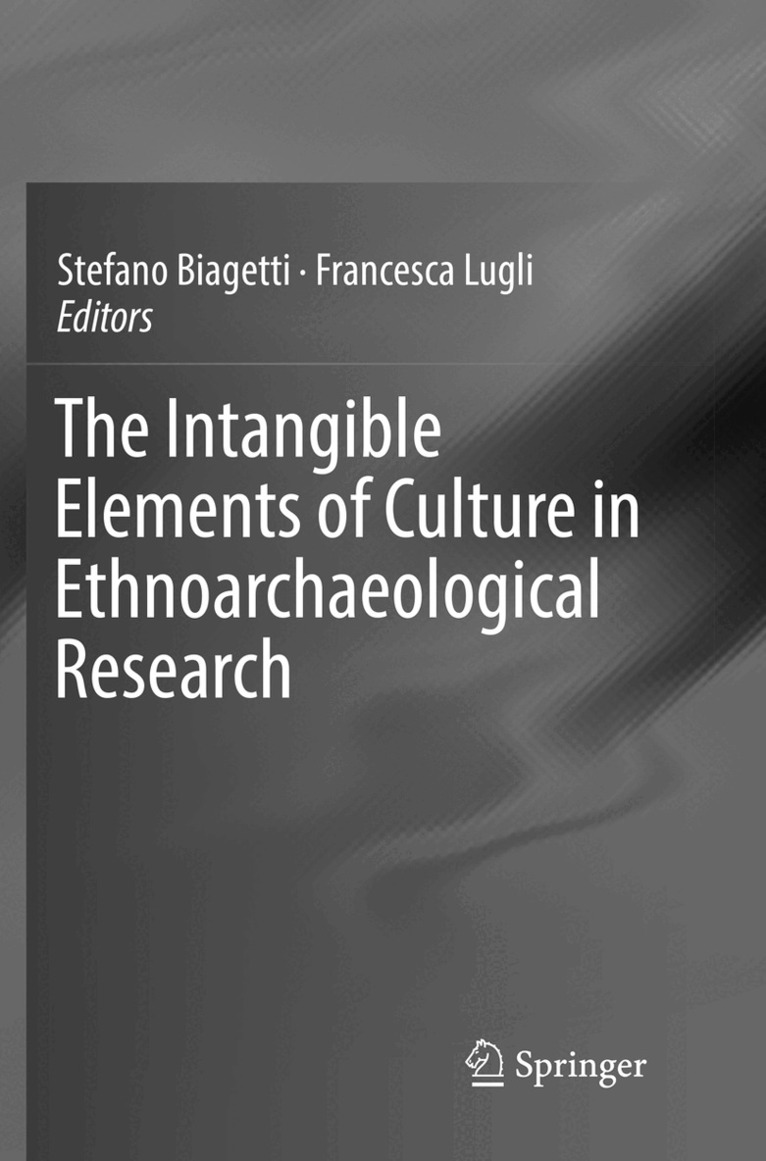
This volume focuses on the intangible elements of human cultures, whose relevance in the study of archaeology has often been claimed but rarely practiced. In this book, the authors successfully show how the adoption of ethnoarchaeological perspectives on non-material aspects of cultures can support the development of methodologies aimed at refining the archaeological interpretation of ancient items, technologies, rituals, settlements and even landscape.The volume includes a series of new approaches that can foster the dialogue between archaeology and anthropology in the domain of the intangible knowledge of rural and urban communities. The role of ethnoarchaeology in the study of the intangible heritage is so far largely underexplored, and there is a considerable lack of ethnoarchaeological studies explicitly focused on the less tangible evidence of present and past societies. Fresh case studies will revitalize the theoretical debate around ethnoarchaeology and its applicability in the archaeological and heritage research in the new millennium.Over the past decade, ‘intangible’ has become a key word in anthropological research and in heritage management. Archaeological theories and methods regarding the explorations of the meaning and the significance of artifacts, resources, and settlement patterns are increasingly focusing on non-material evidence. Due to its peculiar characteristics, ethnoarchaeology can effectively foster the development of the study of the intangible cultural heritage of living societies, and highlight its relevance to the study of those of the past.
E-bok
PDF, Engelska, 20161 947 kr
Läs direkt efter köp
This volume focuses on the intangible elements of human cultures, whose relevance in the study of archaeology has often been claimed but rarely practiced. In this book, the authors successfully show how the adoption of ethnoarchaeological perspectives on non-material aspects of cultures can support the development of methodologies aimed at refining the archaeological interpretation of ancient items, technologies, rituals, settlements and even landscape.The volume includes a series of new approaches that can foster the dialogue between archaeology and anthropology in the domain of the intangible knowledge of rural and urban communities. The role of ethnoarchaeology in the study of the intangible heritage is so far largely underexplored, and there is a considerable lack of ethnoarchaeological studies explicitly focused on the less tangible evidence of present and past societies. Fresh case studies will revitalize the theoretical debate around ethnoarchaeology and its applicability in the archaeological and heritage research in the new millennium.Over the past decade, ‘intangible’ has become a key word in anthropological research and in heritage management. Archaeological theories and methods regarding the explorations of the meaning and the significance of artifacts, resources, and settlement patterns are increasingly focusing on non-material evidence. Due to its peculiar characteristics, ethnoarchaeology can effectively foster the development of the study of the intangible cultural heritage of living societies, and highlight its relevance to the study of those of the past.
Häftad, Engelska, 2018
1 557 kr
Skickas inom 10-15 vardagar
This volume focuses on the intangible elements of human cultures, whose relevance in the study of archaeology has often been claimed but rarely practiced. In this book, the authors successfully show how the adoption of ethnoarchaeological perspectives on non-material aspects of cultures can support the development of methodologies aimed at refining the archaeological interpretation of ancient items, technologies, rituals, settlements and even landscape.The volume includes a series of new approaches that can foster the dialogue between archaeology and anthropology in the domain of the intangible knowledge of rural and urban communities. The role of ethnoarchaeology in the study of the intangible heritage is so far largely underexplored, and there is a considerable lack of ethnoarchaeological studies explicitly focused on the less tangible evidence of present and past societies. Fresh case studies will revitalize the theoretical debate around ethnoarchaeology and its applicability in the archaeological and heritage research in the new millennium.Over the past decade, ‘intangible’ has become a key word in anthropological research and in heritage management. Archaeological theories and methods regarding the explorations of the meaning and the significance of artifacts, resources, and settlement patterns are increasingly focusing on non-material evidence. Due to its peculiar characteristics, ethnoarchaeology can effectively foster the development of the study of the intangible cultural heritage of living societies, and highlight its relevance to the study of those of the past.