Francesca Masini - Böcker
Visar alla böcker från författaren Francesca Masini. Handla med fri frakt och snabb leverans.
4 produkter
4 produkter
892 kr
Skickas
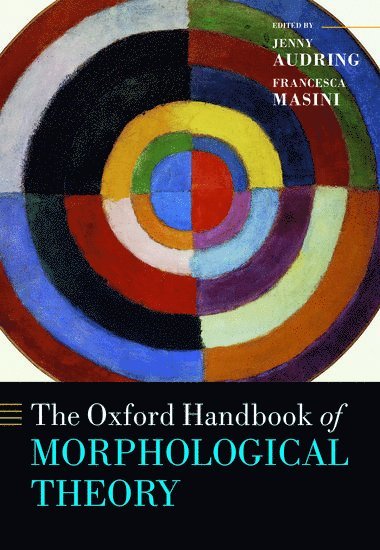
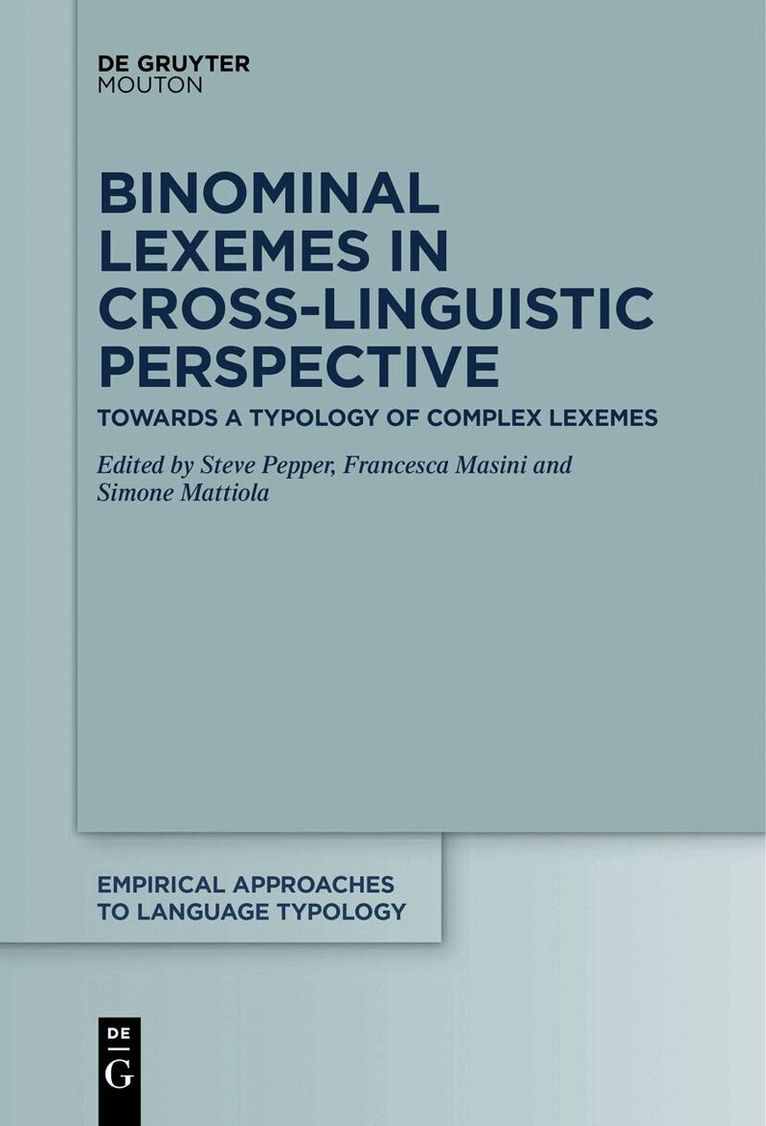
This volume is the first handbook devoted entirely to the multitude of frameworks adopted in the field of morphology, including Minimalism, Optimality Theory, Network Morphology, Cognitive Grammar, and Canonical Typology.Following an introduction from the editors, the first part of the volume offers critical discussions of the main theoretical issues within morphology, both in word formation and in inflection, as well as providing a short history of morphological theory. In the core part of the handbook, part II, each theory is introduced by an expert in the field, who guides the reader through its principles and technicalities, its advantages and disadvantages, and its points of agreement and disagreement with alternative theories. Chapters in part III explore the bigger picture, connecting morphological theory to other subdisciplines of linguistics, such as diachronic change, language acquisition, psycholinguistics, and sign language theory. The handbook is intended as a guide for morphologists from all theoretical backgrounds who want to learn more about frameworks other than their own, as well as for linguists in related subfields looking for theoretical connections with the field of morphology.
2 378 kr
Skickas inom 5-8 vardagar
This volume is the first handbook devoted entirely to the multitude of frameworks adopted in the field of morphology, including Minimalism, Optimality Theory, Network Morphology, Cognitive Grammar, and Canonical Typology. Following an introduction from the editors, the first part of the volume offers critical discussions of the main theoretical issues within morphology, both in word formation and in inflection, as well as providing a short history of morphological theory. In the core part of the handbook, part II, each theory is introduced by an expert in the field, who guides the reader through its principles and technicalities, its advantages and disadvantages, and its points of agreement and disagreement with alternative theories. Chapters in part III explore the bigger picture, connecting morphological theory to other subdisciplines of linguistics, such as diachronic change, language acquisition, psycholinguistics, and sign language theory. The handbook is intended as a guide for morphologists from all theoretical backgrounds who want to learn more about frameworks other than their own, as well as for linguists in related subfields looking for theoretical connections with the field of morphology.
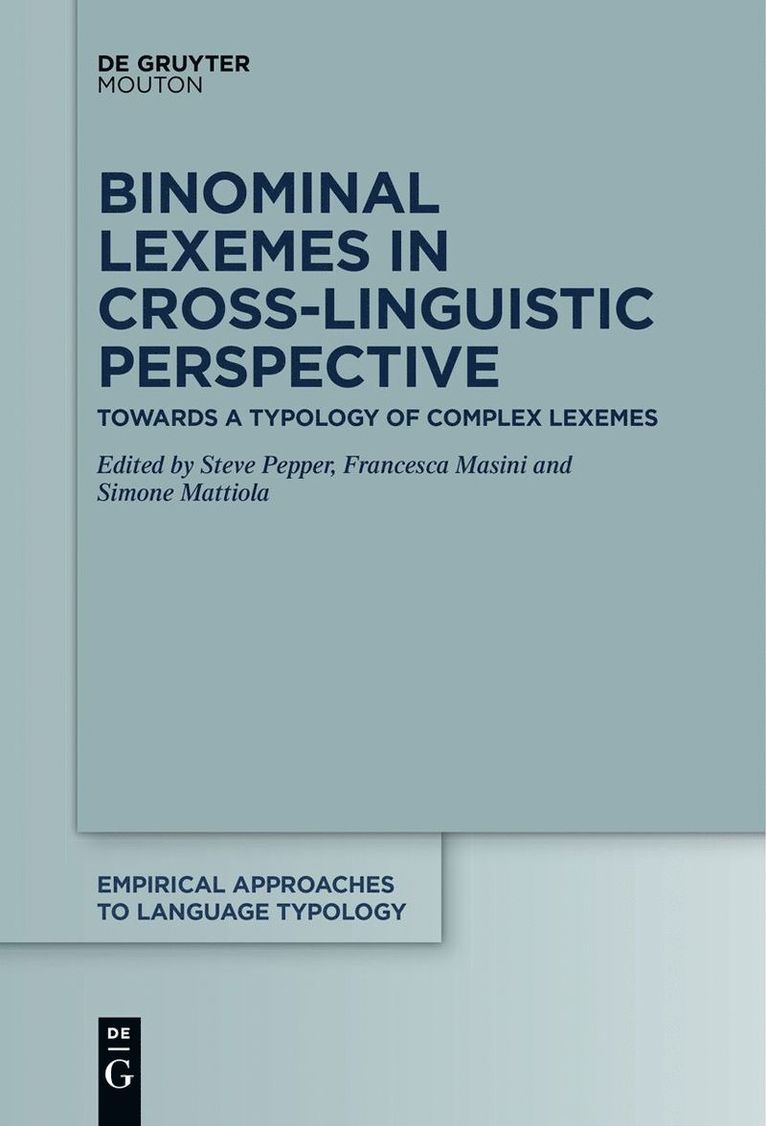
Binominal Lexemes in Cross-Linguistic Perspective
Towards a Typology of Complex Lexemes
Inbunden, Engelska, 2022
2 097 kr
Skickas inom 5-8 vardagar
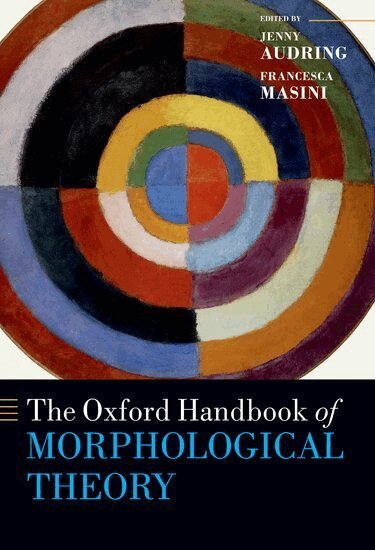
The typological, contrastive, and descriptive studies in this volume investigate the strategies employed by the world’s languages to create complex denotations by combining two noun-like elements, together with the kinds of semantic relation they involve, and their acquisition by children. The term ‘binominal lexeme’ is employed to cover both noun-noun compounds and a range of other naming strategies, including prepositional compounds, relational compounds, construct forms, genitival constructions, and more. Overall, the volume suggests a new, cross-linguistic approach to the study of complex lexeme formation that cuts across the traditional boundaries between syntax, morphology, and lexicon.
Binominal Lexemes in Cross-Linguistic Perspective
Towards a Typology of Complex Lexemes
Häftad, Engelska, 2024
307 kr
Skickas inom 3-6 vardagar
The typological, contrastive, and descriptive studies in this volume investigate the strategies employed by the world’s languages to create complex denotations by combining two noun-like elements, together with the kinds of semantic relation they involve, and their acquisition by children. The term ‘binominal lexeme’ is employed to cover both noun-noun compounds and a range of other naming strategies, including prepositional compounds, relational compounds, construct forms, genitival constructions, and more. Overall, the volume suggests a new, cross-linguistic approach to the study of complex lexeme formation that cuts across the traditional boundaries between syntax, morphology, and lexicon.