Francesca Scala – författare
Visar alla böcker från författaren Francesca Scala. Handla med fri frakt och snabb leverans.
7 produkter
7 produkter
Häftad, Engelska, 2026
430 kr
Skickas inom 5-8 vardagar
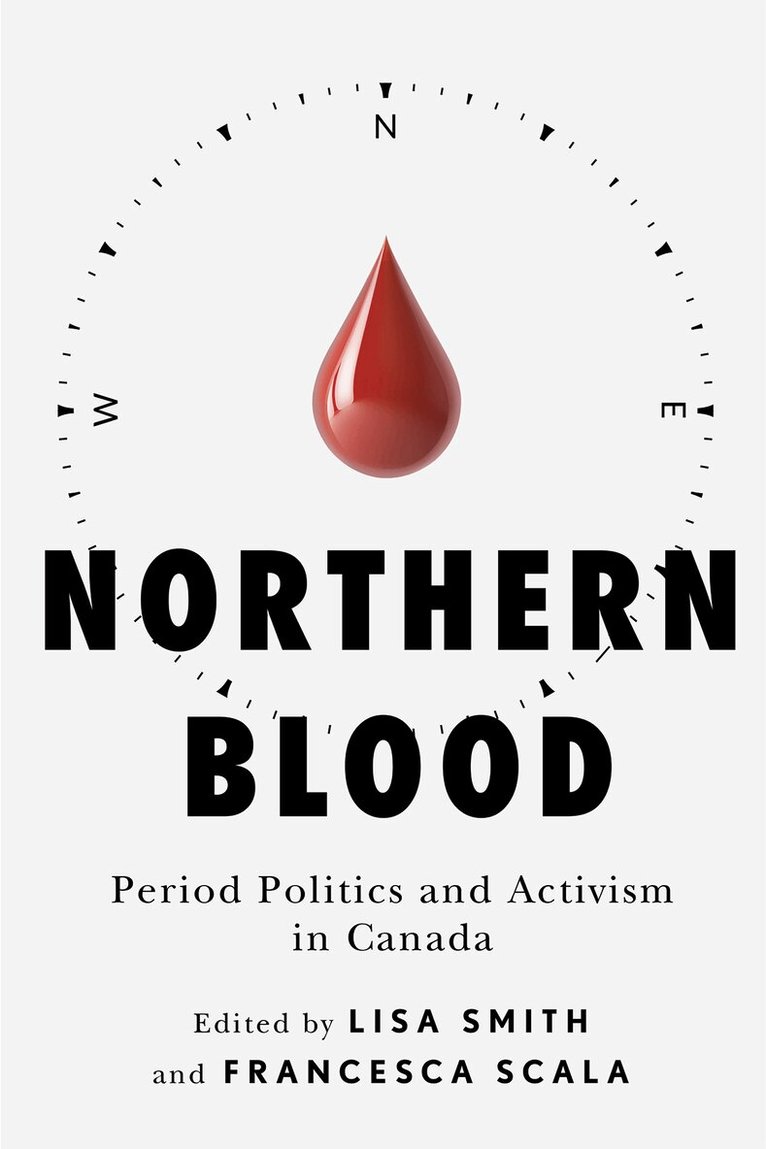
Menstruation is an everyday reality for many Canadians, yet it has long been a site of inequity and at the margins of political and academic inquiry. This is changing. Over the past two decades the global menstrual equity movement has pursued a spectrum of efforts to resist the mandate of shame, secrecy, and silence and to heighten awareness of menstruation as a social and political issue.Groundbreaking in its exploration of period politics from a uniquely Canadian perspective, Northern Blood brings together lived experiences, stories, and teachings from the broader menstruation justice movement and sets them within the context of decolonization, multiculturalism, and gender equity. This powerful collection sheds light on the diversity of sites where period politics and activism take place – from universities to prisons to social and geographical communities. Individual chapters discuss how online spaces are used to challenge menstruation stigma; the role of student-led advocacy in menstrual activism; how menstruation activists mobilized for the removal of the gst from menstrual products in 2015; structural injustices in menstrual experiences and activism among Black people, Indigenous people, people of colour, transgender men, and nonbinary people; and the barriers that may prevent menstruators from choosing reusable products.The first book of its kind to explore menstrual activism in Canada, Northern Blood brings together key voices to reflect the diversity of the menstrual equity movement in Canada, highlighting emerging and established scholars, grassroots activists, and political advocates.
E-bok
PDF, Engelska, 2026415 kr
Läs direkt efter köp
Menstruation is an everyday reality for many Canadians, yet it has long been a site of inequity and at the margins of political and academic inquiry. This is changing. Over the past two decades the global menstrual equity movement has pursued a spectrum of efforts to resist the mandate of shame, secrecy, and silence and to heighten awareness of menstruation as a social and political issue.Groundbreaking in its exploration of period politics from a uniquely Canadian perspective, Northern Blood brings together lived experiences, stories, and teachings from the broader menstruation justice movement and sets them within the context of decolonization, multiculturalism, and gender equity. This powerful collection sheds light on the diversity of sites where period politics and activism take place from universities to prisons to social and geographical communities. Individual chapters discuss how online spaces are used to challenge menstruation stigma; the role of student-led advocacy in menstrual activism; how menstruation activists mobilized for the removal of the gst from menstrual products in 2015; structural injustices in menstrual experiences and activism among Black people, Indigenous people, people of colour, transgender men, and nonbinary people; and the barriers that may prevent menstruators from choosing reusable products.The first book of its kind to explore menstrual activism in Canada, Northern Blood brings together key voices to reflect the diversity of the menstrual equity movement in Canada, highlighting emerging and established scholars, grassroots activists, and political advocates.
E-bok
Engelska, 2026430 kr
Läs direkt efter köp
Menstruation is an everyday reality for many Canadians, yet it has long been a site of inequity and at the margins of political and academic inquiry. This is changing. Over the past two decades the global menstrual equity movement has pursued a spectrum of efforts to resist the mandate of shame, secrecy, and silence and to heighten awareness of menstruation as a social and political issue.Groundbreaking in its exploration of period politics from a uniquely Canadian perspective, Northern Blood brings together lived experiences, stories, and teachings from the broader menstruation justice movement and sets them within the context of decolonization, multiculturalism, and gender equity. This powerful collection sheds light on the diversity of sites where period politics and activism take place from universities to prisons to social and geographical communities. Individual chapters discuss how online spaces are used to challenge menstruation stigma; the role of student-led advocacy in menstrual activism; how menstruation activists mobilized for the removal of the gst from menstrual products in 2015; structural injustices in menstrual experiences and activism among Black people, Indigenous people, people of colour, transgender men, and nonbinary people; and the barriers that may prevent menstruators from choosing reusable products.The first book of its kind to explore menstrual activism in Canada, Northern Blood brings together key voices to reflect the diversity of the menstrual equity movement in Canada, highlighting emerging and established scholars, grassroots activists, and political advocates.
E-bok
PDF, Engelska, 2014361 kr
Läs direkt efter köp
Ideas of choice and rights traditionally dominate discussions concerning reproduction and gender politics. Fertile Ground argues that the current political climate in Canada necessitates a broader understanding of the links between the politics of reproduction, the state, and gender relations. Three major themes are developed in the book: women''s lived experiences, the role of the state in reproductive politics, and discourses around reproduction. Contributors examine unequal access to in vitro fertilization treatments depending upon class, race, age, disability, and health status; critique Health Canada''s adherence to a medical model of breastfeeding; analyze marketing campaigns for birth-control products; and recount the Aamjiwnaang First Nation''s experience of seeking recognition for reproductive health concerns. Fertile Ground links reproduction to marginalization, contestation, and the state in order to illuminate the continuity of reproductive moments and their implications for identity, activism, policy formation, and further scholarship. A timely and multidisciplinary account of reproduction and gender politics in Canada, Fertile Ground will interest academics, activists, and professionals involved in the areas of women’s studies, politics, sociology, and public health.
E-bok
Engelska, 2014374 kr
Läs direkt efter köp
Ideas of choice and rights traditionally dominate discussions concerning reproduction and gender politics. Fertile Ground argues that the current political climate in Canada necessitates a broader understanding of the links between the politics of reproduction, the state, and gender relations. Three major themes are developed in the book: women''s lived experiences, the role of the state in reproductive politics, and discourses around reproduction. Contributors examine unequal access to in vitro fertilization treatments depending upon class, race, age, disability, and health status; critique Health Canada''s adherence to a medical model of breastfeeding; analyze marketing campaigns for birth-control products; and recount the Aamjiwnaang First Nation''s experience of seeking recognition for reproductive health concerns. Fertile Ground links reproduction to marginalization, contestation, and the state in order to illuminate the continuity of reproductive moments and their implications for identity, activism, policy formation, and further scholarship. A timely and multidisciplinary account of reproduction and gender politics in Canada, Fertile Ground will interest academics, activists, and professionals involved in the areas of women’s studies, politics, sociology, and public health.
Inbunden, Engelska, 2019
909 kr
Skickas inom 5-8 vardagar
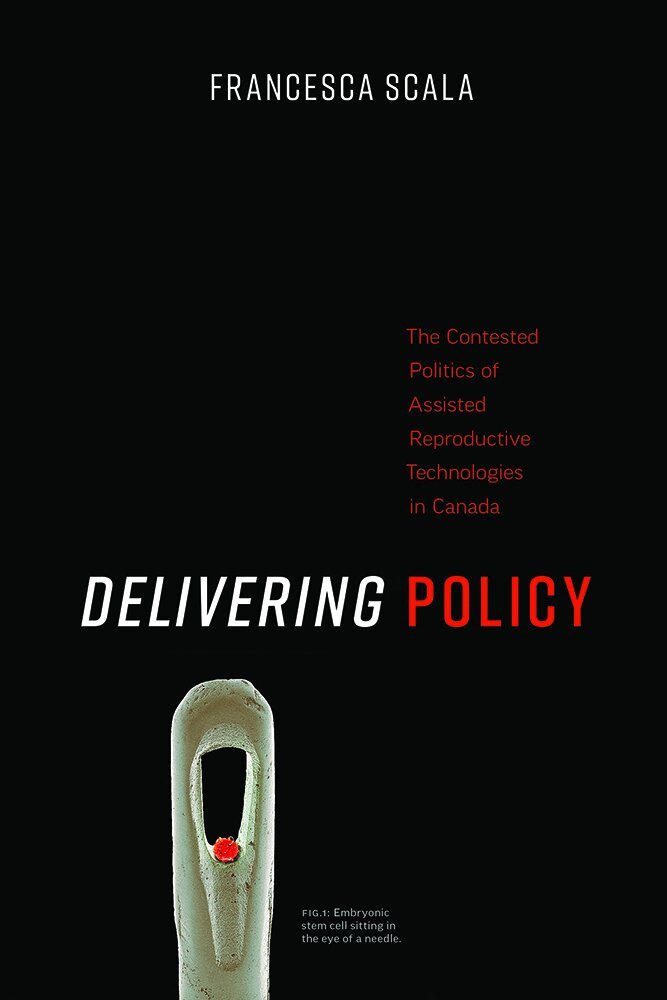
Are assisted reproductive technologies (ARTs) such as in vitro fertilization a medical issue or a matter of public policy, subject to restrictions? In Delivering Policy, Francesca Scala employs the concept of boundary work to explain the prolonged debates that ensued when the Canadian government appointed a royal commission in 1989 to draw up a blueprint for legislative action.From the birth of the first "test tube baby" in 1978 to the Assisted Human Reproduction Act of 2004, Scala reveals how policy makers, civil society actors, and members of the medical-scientific community attempted to define assisted reproductive technologies from within the realms of science or politics. They challenged, defended, or blurred the boundaries or divisions between the two fields of knowledge to secure their position as the authoritative voice on the issue.Delivering Policy delineates in vivid detail the people, institutions, and processes that influenced ARTs policy in Canada. This compelling account contributes to our understanding of the interaction between science and politics, the exercise of social control over science and technology, and the politics of expertise in policy making.
Häftad, Engelska, 2019
345 kr
Skickas inom 5-8 vardagar
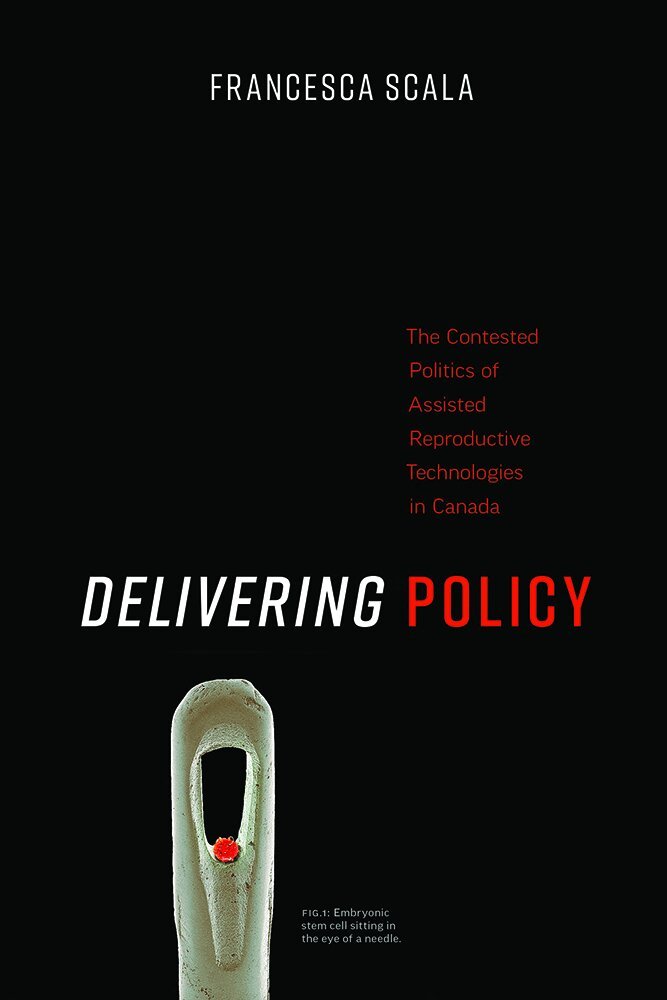
Are assisted reproductive technologies (ARTs) such as in vitro fertilization a medical issue or a matter of public policy, subject to restrictions? In Delivering Policy, Francesca Scala employs the concept of boundary work to explain the prolonged debates that ensued when the Canadian government appointed a royal commission in 1989 to draw up a blueprint for legislative action.From the birth of the first "test tube baby" in 1978 to the Assisted Human Reproduction Act of 2004, Scala reveals how policy makers, civil society actors, and members of the medical-scientific community attempted to define assisted reproductive technologies from within the realms of science or politics. They challenged, defended, or blurred the boundaries or divisions between the two fields of knowledge to secure their position as the authoritative voice on the issue.Delivering Policy delineates in vivid detail the people, institutions, and processes that influenced ARTs policy in Canada. This compelling account contributes to our understanding of the interaction between science and politics, the exercise of social control over science and technology, and the politics of expertise in policy making.