Francesco Asdrubali – författare
1 963 kr
Skickas inom 10-15 vardagar
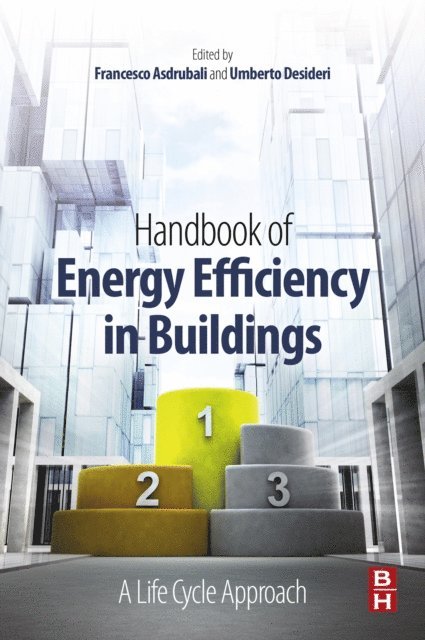
Handbook of Energy Efficiency in Buildings: A Life Cycle Approach offers a comprehensive and in-depth coverage of the subject with a further focus on the Life Cycle. The editors, renowned academics, invited a diverse group of researchers to develop original chapters for the book and managed to well integrate all contributions in a consistent volume. Sections cover the role of the building sector on energy consumption and greenhouse gas emissions, international technical standards, laws and regulations, building energy efficiency and zero energy consumption buildings, the life cycle assessment of buildings, from construction to decommissioning, and other timely topics.
The multidisciplinary approach to the subject makes it valuable for researchers and industry based Civil, Construction, and Architectural Engineers. Researchers in related fields as built environment, energy and sustainability at an urban scale will also benefit from the books integrated perspective.
Presents a complete and thorough coverage of energy efficiency in buildings Provides an integrated approach to all the different elements that impact energy efficiency Contains coverage of worldwide regulation2 759 kr
Läs direkt efter köp
2 508 kr
Skickas inom 10-15 vardagar
734 kr
Skickas inom 10-15 vardagar
831 kr
Läs direkt efter köp
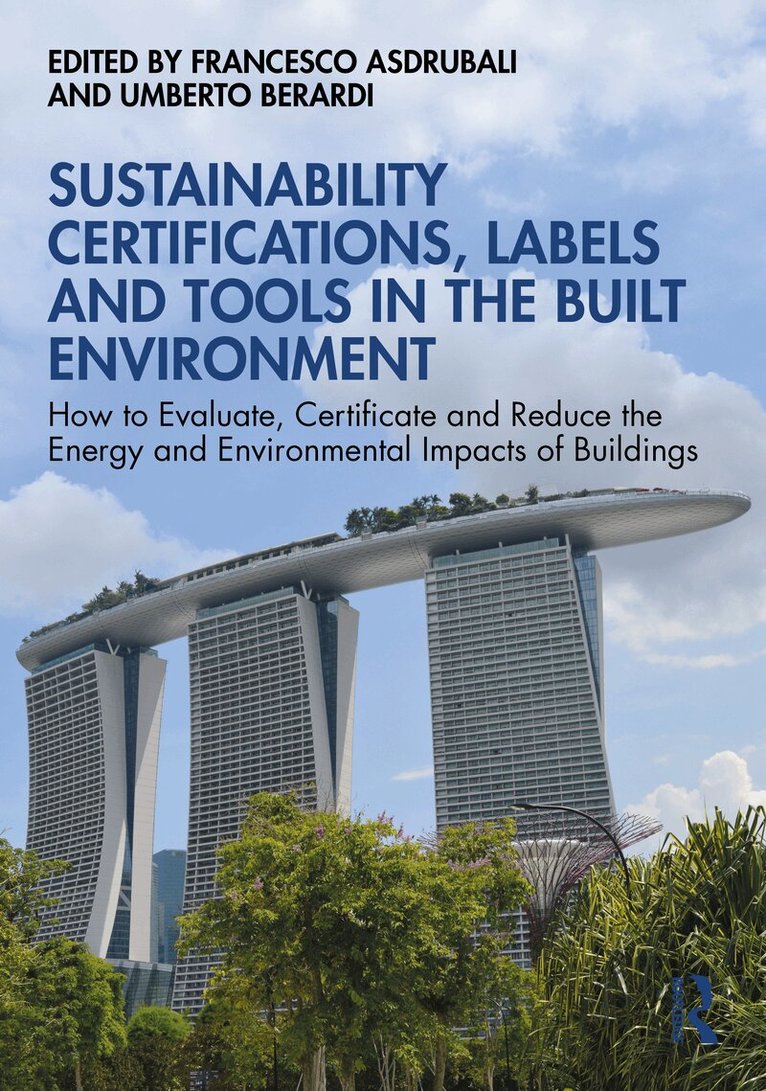
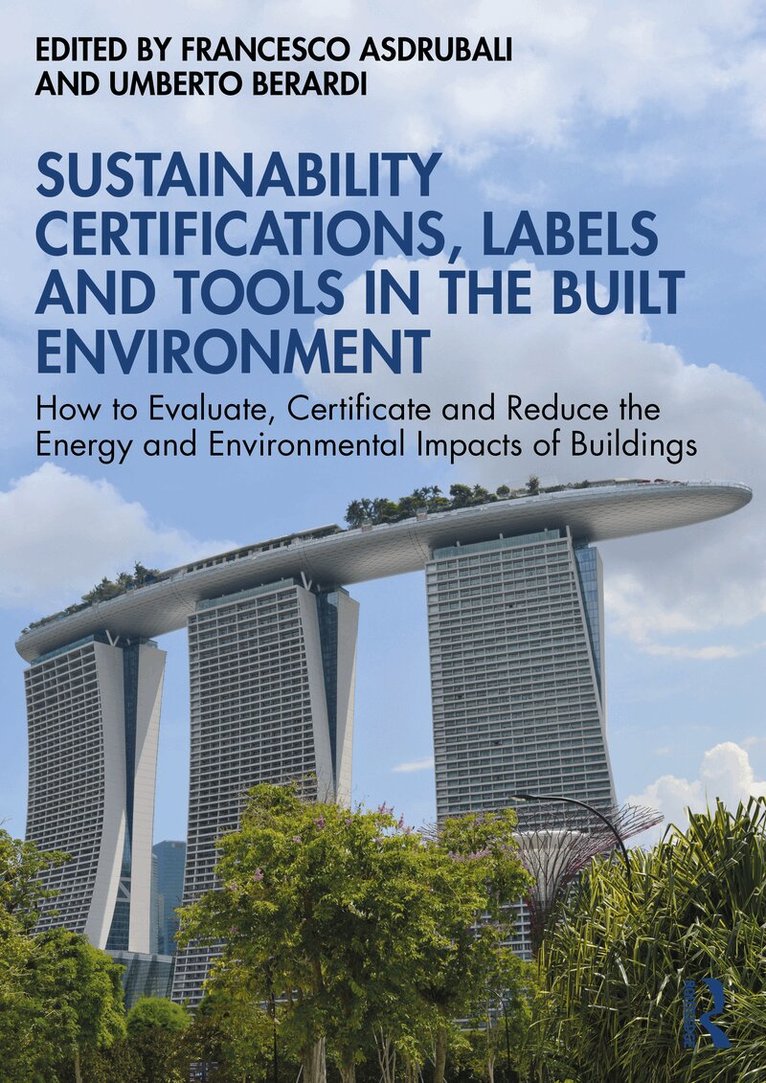
This book is aimed at covering all aspects of the evaluation, certification, and reduction of the energy and carbon footprint of the built environment from the scale of the city and its neighbourhoods, to the building level and finally to the level of single building materials and components. Many protocols, tools, and labels have been proposed in recent years, both at international and local levels, and the aim of the book is to classify, describe, and discuss all the different approaches and options.
The chapters offer a comprehensive, up-to-date, and critical review of all the different certification methods that have been proposed at different levels in the building sector. The first chapter introduces the topic and its importance, providing data on the impact of the building sector and the construction industry. The following chapters are dedicated respectively to tools and protocols for cities and neighbourhood sustainability assessment, tools and protocols for buildings sustainability assessment and certification, and for building materials and components. Finally, this book includes an overview of the legislation and standards in the field and case studies to exemplify the application of the different tools and labels.
This is a key reference for decision-makers, researchers, scholars, students, and professionals approaching research and work in the field of energy and environmental impact of the building sector be they engineers, architects, planners, owners, developers, or facility managers.
831 kr
Läs direkt efter köp
This book is aimed at covering all aspects of the evaluation, certification, and reduction of the energy and carbon footprint of the built environment from the scale of the city and its neighbourhoods, to the building level and finally to the level of single building materials and components. Many protocols, tools, and labels have been proposed in recent years, both at international and local levels, and the aim of the book is to classify, describe, and discuss all the different approaches and options.
The chapters offer a comprehensive, up-to-date, and critical review of all the different certification methods that have been proposed at different levels in the building sector. The first chapter introduces the topic and its importance, providing data on the impact of the building sector and the construction industry. The following chapters are dedicated respectively to tools and protocols for cities and neighbourhood sustainability assessment, tools and protocols for buildings sustainability assessment and certification, and for building materials and components. Finally, this book includes an overview of the legislation and standards in the field and case studies to exemplify the application of the different tools and labels.
This is a key reference for decision-makers, researchers, scholars, students, and professionals approaching research and work in the field of energy and environmental impact of the building sector be they engineers, architects, planners, owners, developers, or facility managers.