Francesco Rullani – författare
Visar alla böcker från författaren Francesco Rullani. Handla med fri frakt och snabb leverans.
6 produkter
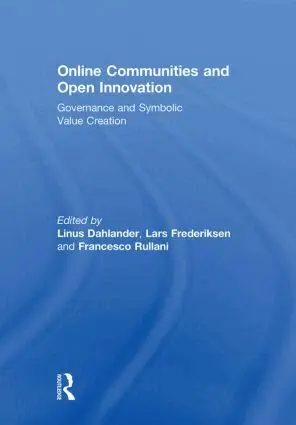
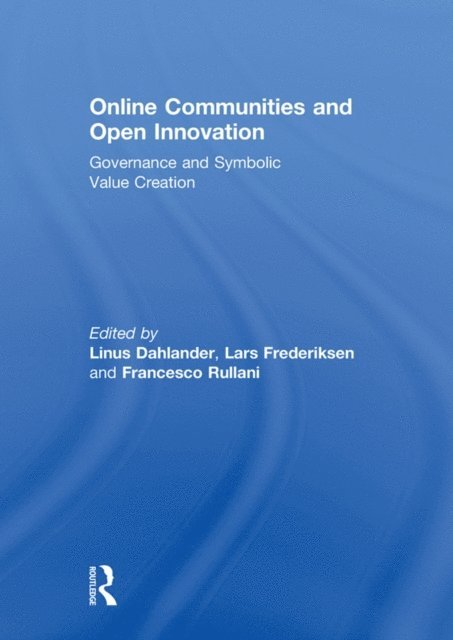
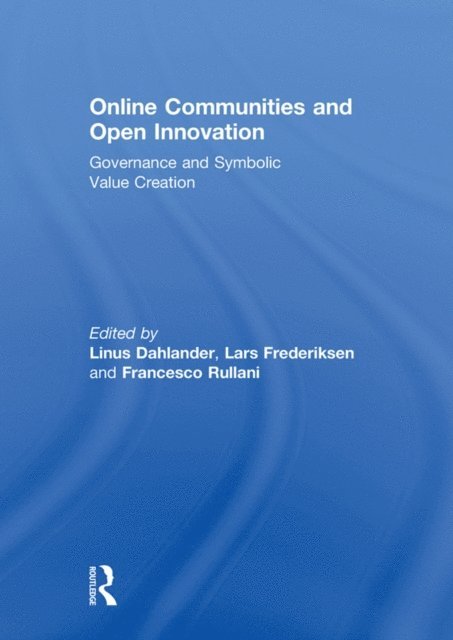
Online Communities and Open Innovation
Governance and Symbolic Value Creation
Av Linus Dahlander, Lars Frederiksen m. fl.
Inbunden, 2011
2590 kr
Lägg i varukorg
The advent of Internet marked a significant change in how users and customers can be involved in the innovative process. History is rife with examples of how users innovate, but Internet and its associated communication technologies brought radically new means for individuals to interact rapidly …
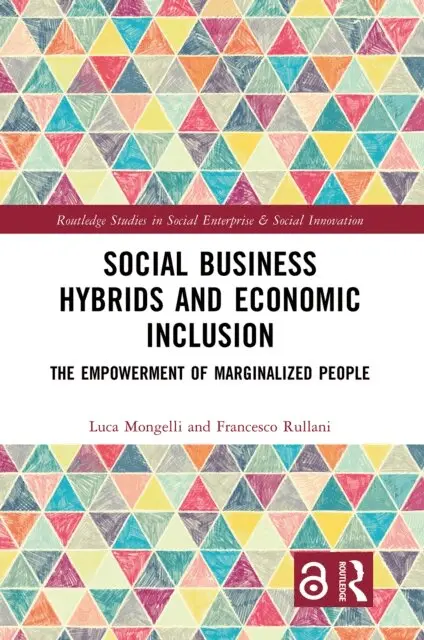
Social Business Hybrids and Economic Inclusion
The Empowerment of Marginalized People
Av Francesco Rullani, Luca Mongelli
E-bok, 2025
797 kr
Lägg i varukorg
This book addresses marginalization as a form of disempowerment - social, economic, and political exclusion that prevents people from realizing their potential. In response, it explores how organizations can foster empowerment, focusing on Social Business Hybrids (SBHs), which use market-based …
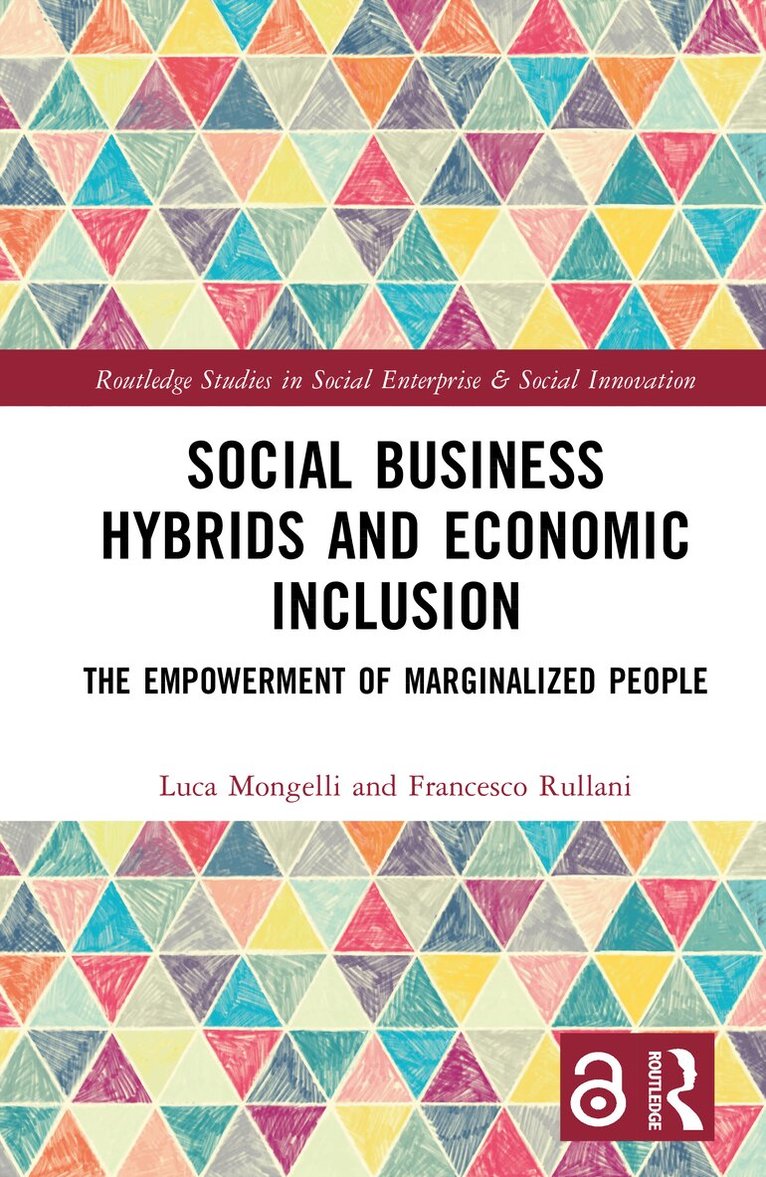
Social Business Hybrids and Economic Inclusion
The Empowerment of Marginalized People
Av Luca Mongelli, Francesco Rullani
Inbunden, 2025
2590 kr
Lägg i varukorg
This book addresses marginalization as a form of disempowerment – social, economic, and political exclusion that prevents people from realizing their potential. In response, it explores how organizations can foster empowerment, focusing on Social Business Hybrids (SBHs), which use market-based …
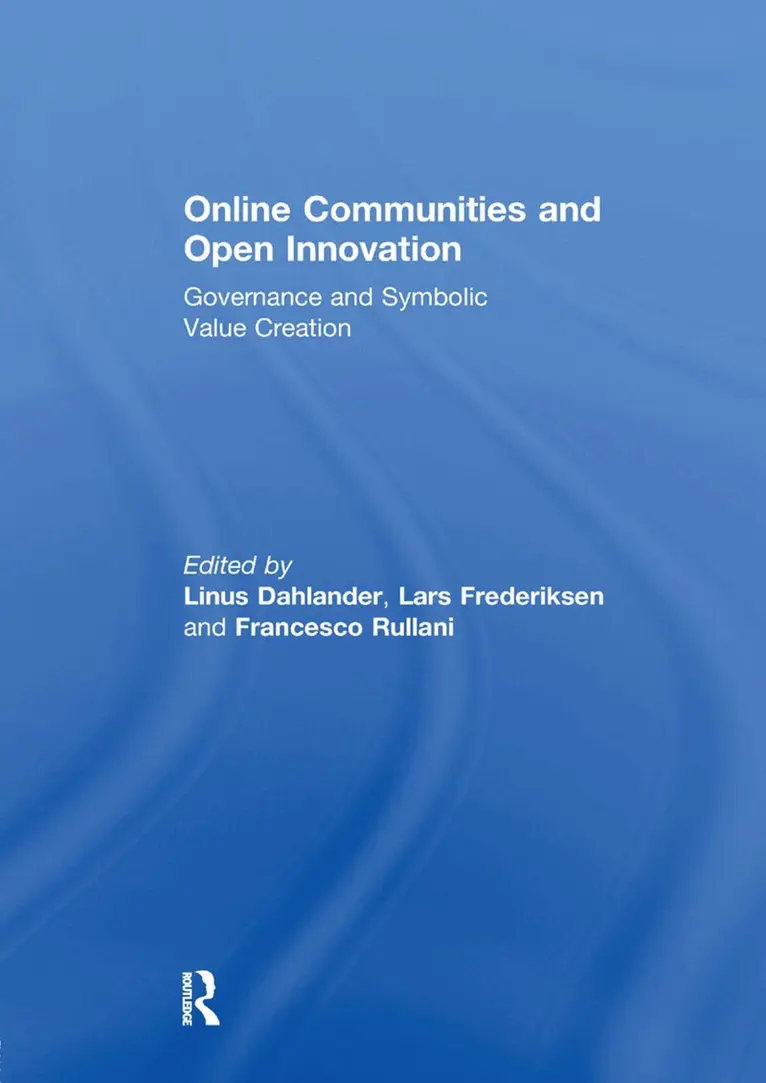
Online Communities and Open Innovation
Governance and Symbolic Value Creation
Av Linus Dahlander, Lars Frederiksen m. fl.
Häftad, 2018
848 kr
Lägg i varukorg
The advent of Internet marked a significant change in how users and customers can be involved in the innovative process. History is rife with examples of how users innovate, but Internet and its associated communication technologies brought radically new means for individuals to interact rapidly …
Online Communities and Open Innovation
Governance and Symbolic Value Creation
Av Francesco Rullani, Lars Frederiksen m. fl.
E-bok, 2014
970 kr
Lägg i varukorg
The advent of Internet marked a significant change in how users and customers can be involved in the innovative process. History is rife with examples of how users innovate, but Internet and its associated communication technologies brought radically new means for individuals to interact rapidly …
Online Communities and Open Innovation
Governance and Symbolic Value Creation
Av Francesco Rullani, Lars Frederiksen m. fl.
E-bok, 2014
970 kr
Lägg i varukorg
The advent of Internet marked a significant change in how users and customers can be involved in the innovative process. History is rife with examples of how users innovate, but Internet and its associated communication technologies brought radically new means for individuals to interact rapidly …