
Häftad, Engelska, 2027
1 233 kr
Kommande
This text provides students with the knowledge required to critically read and evaluate research and incorporate research results into evidence-based practice in their future professions.
1 233 kr
Kommande
692 kr
Läs direkt efter köp
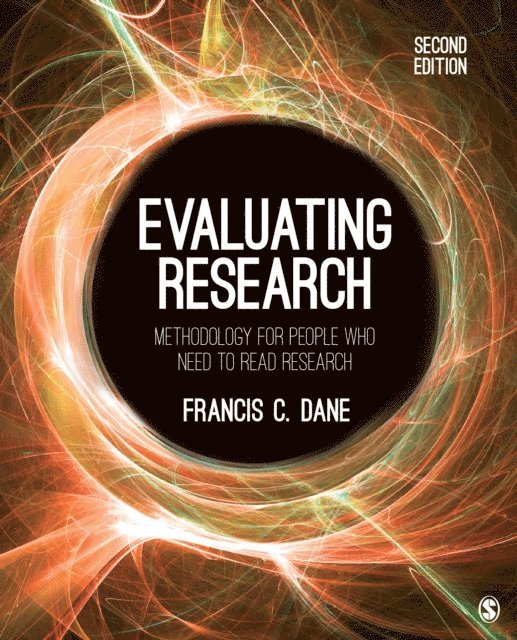
The Second Edition offers readers a straightforward presentation of the key components of research and the skills they need to read and evaluate it. The book covers a range of research that students are most likely to encounter, from experimental to field research, and archival to evaluation research. The Second Edition features updated examples of research across disciplines, new and updated content on qualitative research and conceptual statistics, and a streamlined organization that better aligns with the order of information in a research article.
1 178 kr
Skickas inom 7-10 vardagar
The third edition of Evaluating Research by Francis C. Dane and Elliot Carhart provides students with the skills to read and evaluate research studies. Aimed at courses where it is more important for students to develop an understanding of methods, rather than conduct their own research, this book covers all aspects of reading social, behavioral, and health science research from the basics, such as the structure of reports and accessing research, as well as overviews of the main types of research methods. The authors emphasize critical reading skills to enable students to become experts in evaluating research, so students can decide whether to incorporate that research into their future professional activities.
Each chapter includes an overview at the beginning and exercises at the end to reinforce the content learned. Starting from the basic principles of why we do research, the book moves readers through the practicalities of finding studies to the principles of the scientific method and how to break down and analyze research reports. New to the third edition, Understanding Checks placed throughout each chapter help students cement their learning. The organization of the book is now more logical, with a new chapter on accessing research up front and ending with a chapter on statistical analyses. New research examples throughout, including such topical examples as mindfulness, college attendance, and bias in healthcare, help students see the relevance of research in their lives.
1 233 kr
Kommande
692 kr
Läs direkt efter köp
The Second Edition offers readers a straightforward presentation of the key components of research and the skills they need to read and evaluate it. The book covers a range of research that students are most likely to encounter, from experimental to field research, and archival to evaluation research. The Second Edition features updated examples of research across disciplines, new and updated content on qualitative research and conceptual statistics, and a streamlined organization that better aligns with the order of information in a research article.
1 178 kr
Skickas inom 7-10 vardagar
The third edition of Evaluating Research by Francis C. Dane and Elliot Carhart provides students with the skills to read and evaluate research studies. Aimed at courses where it is more important for students to develop an understanding of methods, rather than conduct their own research, this book covers all aspects of reading social, behavioral, and health science research from the basics, such as the structure of reports and accessing research, as well as overviews of the main types of research methods. The authors emphasize critical reading skills to enable students to become experts in evaluating research, so students can decide whether to incorporate that research into their future professional activities.
Each chapter includes an overview at the beginning and exercises at the end to reinforce the content learned. Starting from the basic principles of why we do research, the book moves readers through the practicalities of finding studies to the principles of the scientific method and how to break down and analyze research reports. New to the third edition, Understanding Checks placed throughout each chapter help students cement their learning. The organization of the book is now more logical, with a new chapter on accessing research up front and ending with a chapter on statistical analyses. New research examples throughout, including such topical examples as mindfulness, college attendance, and bias in healthcare, help students see the relevance of research in their lives.