Francisco L. Rivera-Batiz – författare
Visar alla böcker från författaren Francisco L. Rivera-Batiz. Handla med fri frakt och snabb leverans.
4 produkter
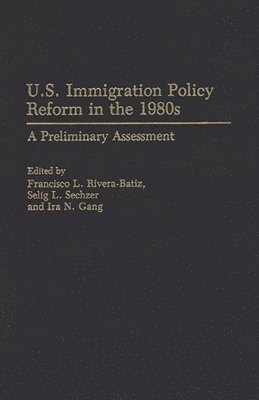
U.S. Immigration Policy Reform in the 1980s
A Preliminary Assessment
Av Francsco Rivera Batiz, Ira Gang m. fl.
Inbunden, 1991
857 kr
Lägg i varukorg
Using the most current data available, the essays collected here offer a timely assessment of the impact of the Immigration Reform and Control Act of 1986 (IRCA), which constitutes the most significant U.S. immigration policy initiative of recent years. The contributors--all well-known researchers …
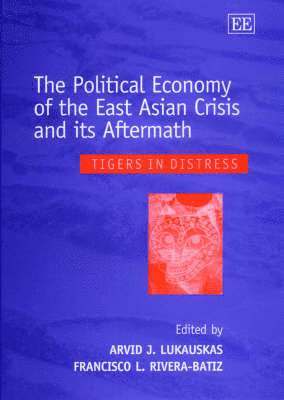
Political Economy of the East Asian Crisis and its Aftermath
Tigers in Distress
Av Arvid J. Lukauskas, Francisco L. Rivera-Batiz
Inbunden, 2001
2071 kr
Lägg i varukorg
The East Asian crisis has sparked debate regarding the future of emerging markets and the globalization of world capital markets. This book, with contributions by leading economists and political scientists, provides an up-to-date assessment of the causes and consequences of the crisis and the …
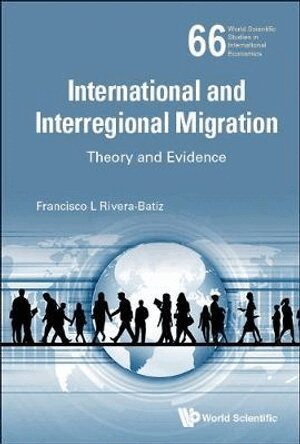
INTERNATIONAL AND INTERREGIONAL MIGRATION: THEORY AND EVIDENCE
Av Rivera-Batiz Francisco L, Francisco L Rivera-Batiz
Inbunden, 2018
2314 kr
Lägg i varukorg
Global and regional migration flows have exploded in the last few decades. Written by renowned migration expert, Francisco L Rivera-Batiz, this book provides a collection of articles offering a comprehensive overview of the economic analysis of migration flows and the associated policy issues. A …
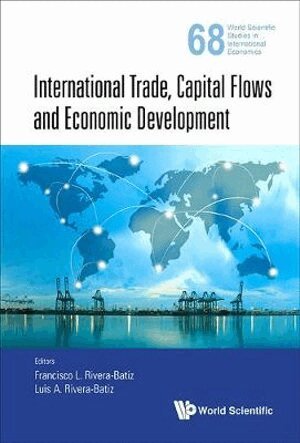
INTERNATIONAL TRADE, CAPITAL FLOWS AND ECONOMIC DEVELOPMENT
Av Rivera-Batiz Francisco L, Francisco L Rivera-Batiz m. fl.
Inbunden, 2018
2375 kr
Lägg i varukorg
The impact of rising global trade and investment remains one of the most controversial topics among academics, policymakers and the public in general. This book written by international economists Francisco L Rivera-Batiz and Luis A Rivera-Batiz offers a collection of articles outlining the diverse …