François Delaporte - Böcker
Visar alla böcker från författaren François Delaporte. Handla med fri frakt och snabb leverans.
7 produkter
7 produkter
1 161 kr
Skickas inom 10-15 vardagar
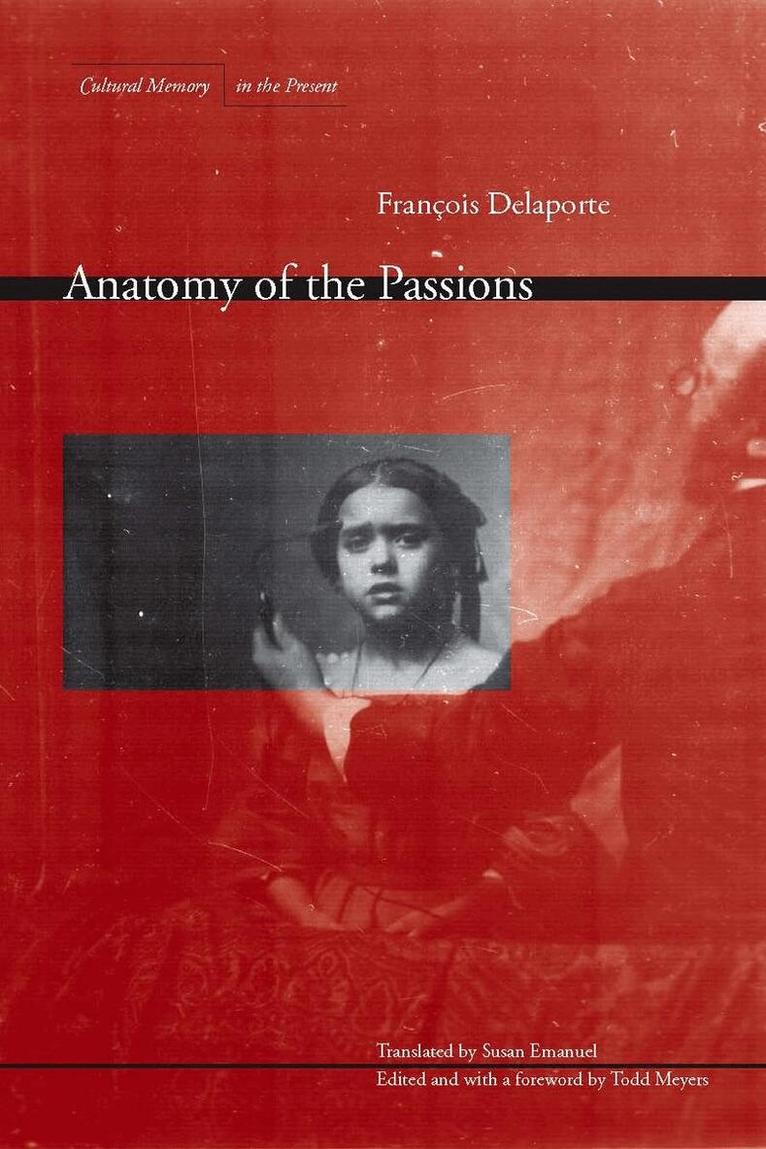
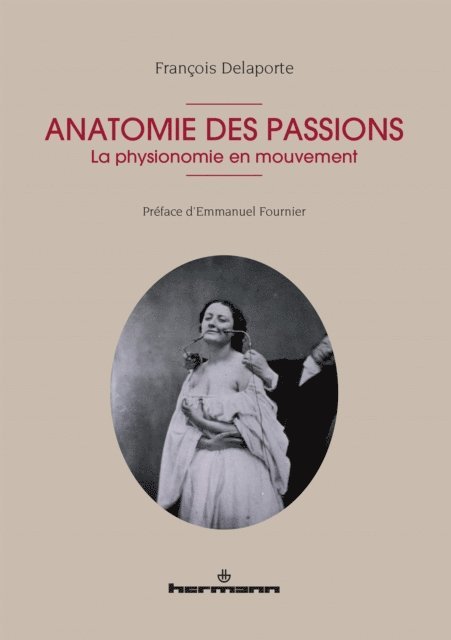
The study of facial expression and its musculature undertaken by Guillaume-Benjamin Duchenne de Boulogne in 1862, an attempt to secure biological meaning in the natural language of the emotions, resulted in the pioneering Méchanisme du physiognomie humaine. Duchenne, who used photography to document his experiments, inspired Charles Darwin's Expression of the Emotions in Man and Animals (1872) and had a significant influence on artists (his teachings were incorporated into the curriculum of the École Normale Supérieur des Beaux Arts). Through Duchenne, François Delaporte provides a remarkable philosophical and historical examination of expressive physiology during the mid-nineteenth century and considers the science of emotion as a means of revealing inner life upon the surface of the face. The central concern of Anatomy of the Passions is how techniques of studying facial musculature became a point of contact between existing and novel understandings of the body's expressive anatomy. Delaporte shows that Duchenne entirely reordered the knowledge and limits of expressive physiology in science and art. The face became a site where the signs of inner life are silently revealed, not yet betrayed by speech, but brought forth by reflexive physiology or by technical manipulation.
278 kr
Skickas inom 7-10 vardagar
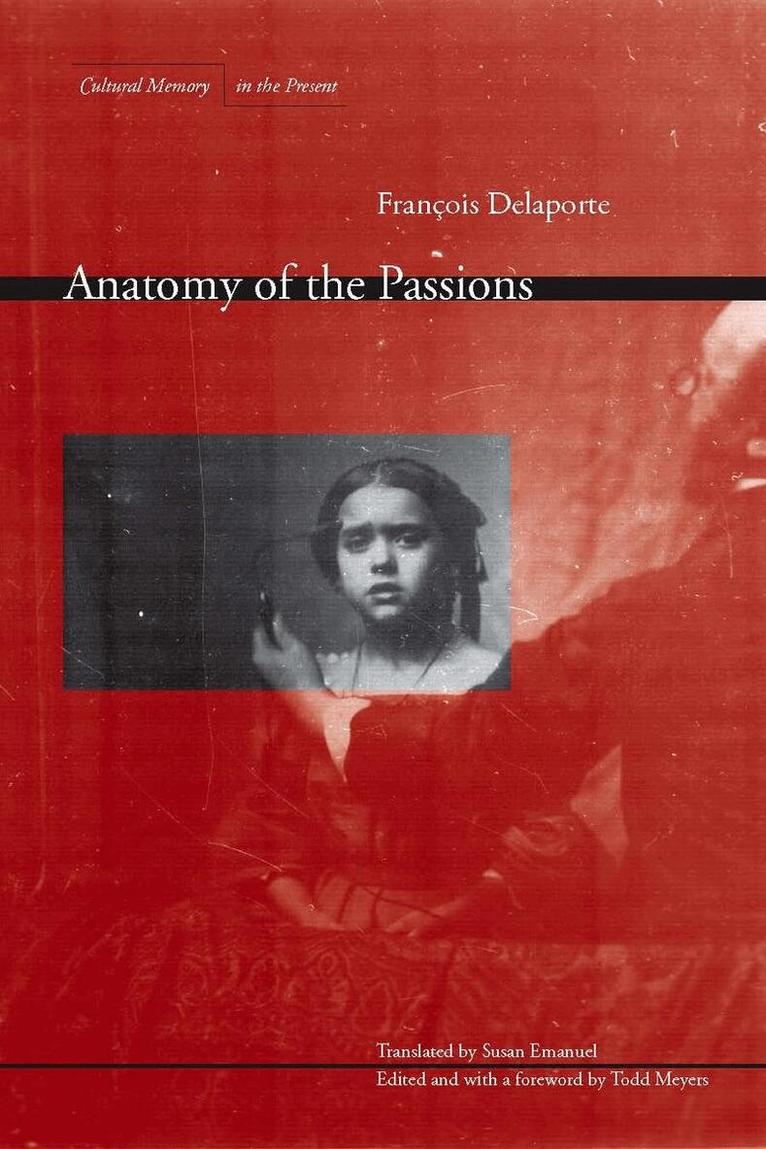
The study of facial expression and its musculature undertaken by Guillaume-Benjamin Duchenne de Boulogne in 1862, an attempt to secure biological meaning in the natural language of the emotions, resulted in the pioneering Méchanisme du physiognomie humaine. Duchenne, who used photography to document his experiments, inspired Charles Darwin's Expression of the Emotions in Man and Animals (1872) and had a significant influence on artists (his teachings were incorporated into the curriculum of the École Normale Supérieur des Beaux Arts). Through Duchenne, François Delaporte provides a remarkable philosophical and historical examination of expressive physiology during the mid-nineteenth century and considers the science of emotion as a means of revealing inner life upon the surface of the face. The central concern of Anatomy of the Passions is how techniques of studying facial musculature became a point of contact between existing and novel understandings of the body's expressive anatomy. Delaporte shows that Duchenne entirely reordered the knowledge and limits of expressive physiology in science and art. The face became a site where the signs of inner life are silently revealed, not yet betrayed by speech, but brought forth by reflexive physiology or by technical manipulation.
1 051 kr
Skickas inom 10-15 vardagar
François Delaporte's Chagas Disease chronicles Brazilian medicine's encounter with a disease, an insect, and a history of discovery. Between 1909 and 1911, Carlos Chagas described an infection (pathogenic trypanosome), its intermediate host, and the illness that he believed it caused, parasitic thyroiditis. Chagas's work did not lack significance: the disease that came to share his name would be one of Latin America's most serious endemic diseases. However, the clinical identification of the disease through "Romaña's sign" (a palpebral edema or swelling of the eyelid) some decades later marked a transformation in the general medical knowledge of the disease and its basis altogether. Not only was the disease entity that Chagas had described shown to be a nosological illusion, but twenty-five years of scientific controversy turned out to have been based on a misunderstanding. The continued use of the term "Chagas's Disease" even after Cecilio Romaña's discovery thus refers to a fundamental ambiguity. Delaporte dispels this ambiguity by re-examining the various discoveries, dead ends, controversies, and major epistemological transformations that marked the history of the disease––a history that begins with the creation of the Oswaldo Cruz Institute in Rio de Janeiro and ends in the forests of Santa Fe in northern Argentina. Delaporte's study shows how an epistemological focus can add depth to the history of medicine and complexity to accounts of scientific discovery.
332 kr
Skickas inom 7-10 vardagar
François Delaporte's Chagas Disease chronicles Brazilian medicine's encounter with a disease, an insect, and a history of discovery. Between 1909 and 1911, Carlos Chagas described an infection (pathogenic trypanosome), its intermediate host, and the illness that he believed it caused, parasitic thyroiditis. Chagas's work did not lack significance: the disease that came to share his name would be one of Latin America's most serious endemic diseases. However, the clinical identification of the disease through "Romaña's sign" (a palpebral edema or swelling of the eyelid) some decades later marked a transformation in the general medical knowledge of the disease and its basis altogether. Not only was the disease entity that Chagas had described shown to be a nosological illusion, but twenty-five years of scientific controversy turned out to have been based on a misunderstanding. The continued use of the term "Chagas's Disease" even after Cecilio Romaña's discovery thus refers to a fundamental ambiguity. Delaporte dispels this ambiguity by re-examining the various discoveries, dead ends, controversies, and major epistemological transformations that marked the history of the disease––a history that begins with the creation of the Oswaldo Cruz Institute in Rio de Janeiro and ends in the forests of Santa Fe in northern Argentina. Delaporte's study shows how an epistemological focus can add depth to the history of medicine and complexity to accounts of scientific discovery.
996 kr
Skickas inom 10-15 vardagar
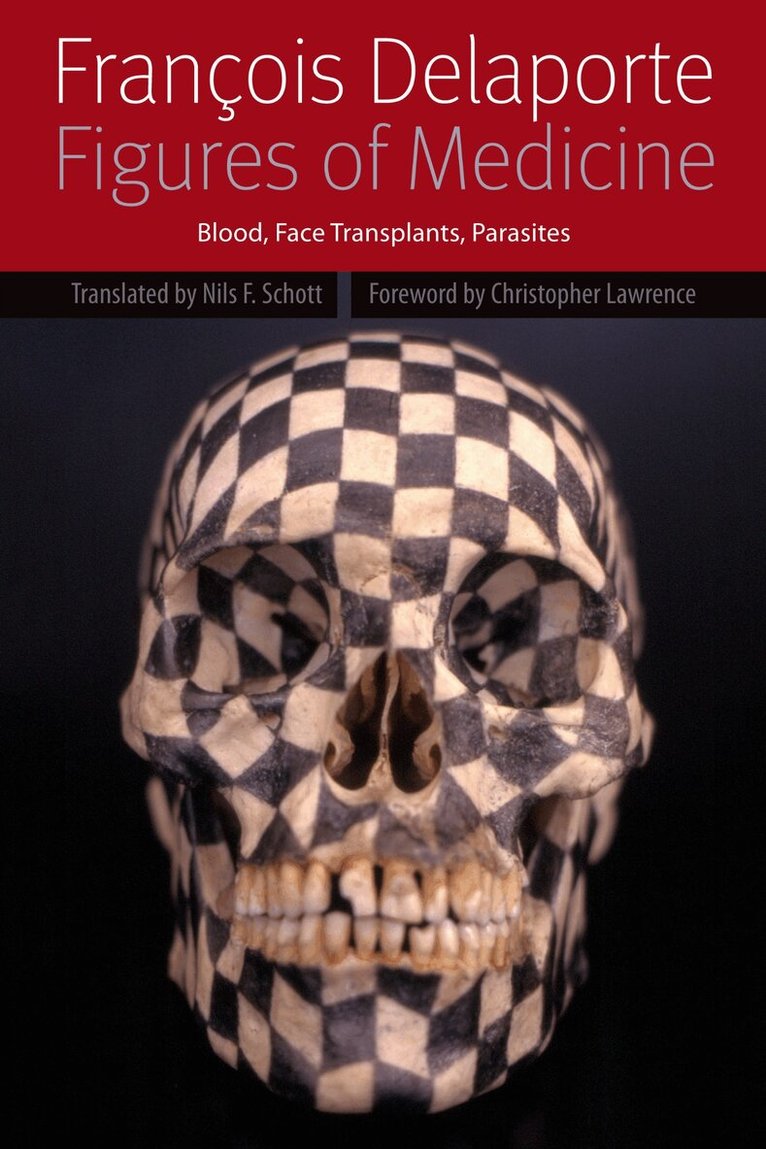
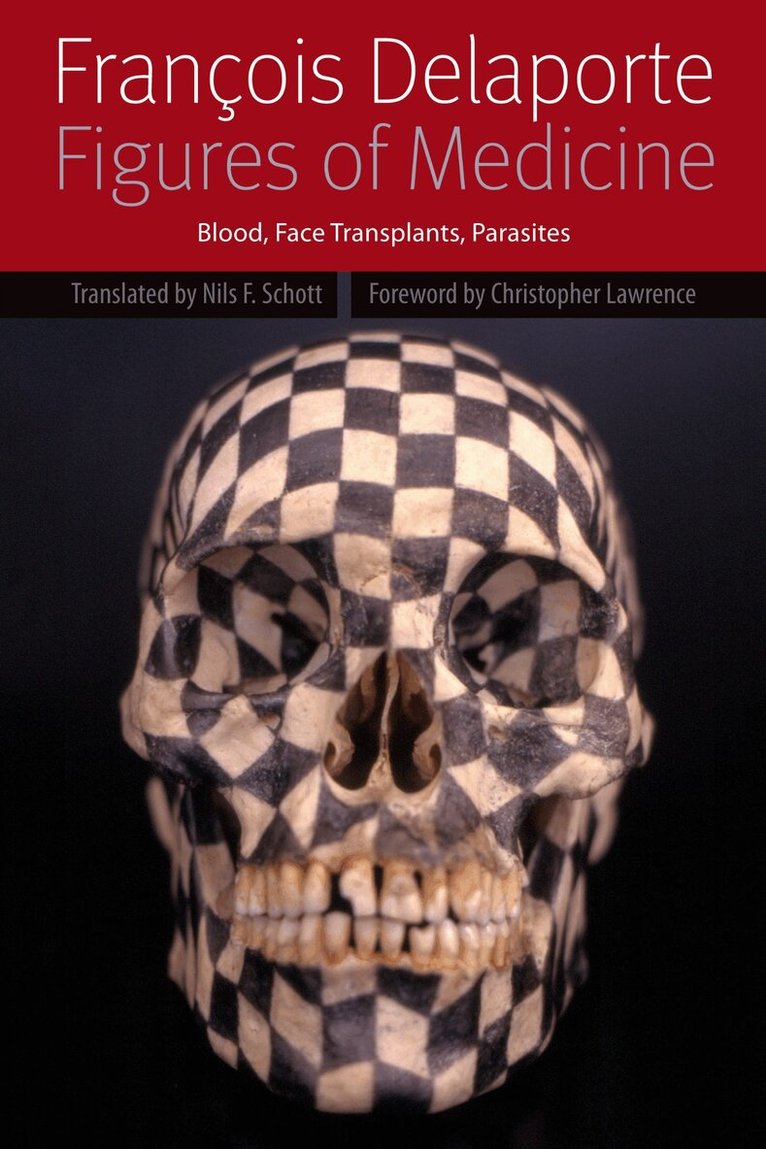
What does the infamous face transplant in France in 2005 share with the examination of "swollen faces" in Latin America in the 1930s? What does blood transfusion in Europe during the 17th century have in common with the discovery of mosquitoes as parasitic vectors in China at the close of the 19th century? And, last, how does the reconstruction of noses using skin flaps in Bologna in the 16th century relate to the opening of a forehead cyst in Guatemala in 1916? The six essays that form Figures of Medicine present a wealth of symmetries. François Delaporte shows that each epistemological concern demands its own mode of engagement; problems reside not only in their objects but also in the historical situations in which they emerge. Focusing on efforts to resolve medical problems that are particular and nonetheless exemplary, Delaporte unpacks these separate cases to show how multiple actors—over long periods of time and across different geographies—must be taken into account to remove epistemological blockages that stand in the way of understanding. A remarkable contribution to the history of science and medicine, this book shows the value of historical epistemology from philosophical, historical, and anthropological perspectives.
332 kr
Skickas inom 7-10 vardagar
What does the infamous face transplant in France in 2005 share with the examination of "swollen faces" in Latin America in the 1930s? What does blood transfusion in Europe during the 17th century have in common with the discovery of mosquitoes as parasitic vectors in China at the close of the 19th century? And, last, how does the reconstruction of noses using skin flaps in Bologna in the 16th century relate to the opening of a forehead cyst in Guatemala in 1916? The six essays that form Figures of Medicine present a wealth of symmetries. François Delaporte shows that each epistemological concern demands its own mode of engagement; problems reside not only in their objects but also in the historical situations in which they emerge. Focusing on efforts to resolve medical problems that are particular and nonetheless exemplary, Delaporte unpacks these separate cases to show how multiple actors—over long periods of time and across different geographies—must be taken into account to remove epistemological blockages that stand in the way of understanding. A remarkable contribution to the history of science and medicine, this book shows the value of historical epistemology from philosophical, historical, and anthropological perspectives.
325 kr
Skickas inom 7-10 vardagar