Frank D. McCann - Böcker
Visar alla böcker från författaren Frank D. McCann. Handla med fri frakt och snabb leverans.
6 produkter
6 produkter
786 kr
Skickas inom 7-10 vardagar
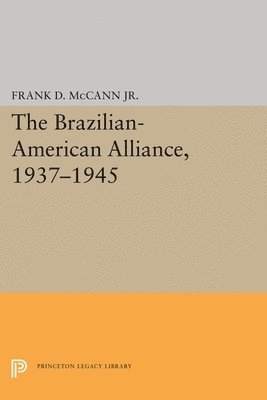
Getulio Dornelles Vargas established his dictatorship in Brazil in 1937, and from 1938 through 1940 American diplomats and military planners were preoccupied with the possibility that Brazil might ally herself with Nazi Germany. Such an alliance would have made fortress America vulnerable and closed the South Atlantic to Allied shipping. Fortunately for America, Brazil eventually joined the Allies and American engineers turned Northeast Brazil into a vast springboard for supplies for the war fronts. Frank D. McCann has used previously inaccessible Brazilian archival material to discuss the events during the Vargas regime which brought about a close alliance between Brazil and the United States and resulted in Brazil's economic, political, and military dependence on her powerful North American ally. He shows that until 1940 the drive for closer union came largely from Brazil, which wanted to offset the shifting alliances of the Spanish-speaking countries and escape from British economic domination. American interest in Brazil increased during the 1930's as the U.S. turned to Latin America to recoup losses in foreign trade and as Washington began to fear that Nazism and Fascism would spread to South America.By 1940 the nature of Brazil's relationship with the United States made it impossible for Brazil to remain neutral. Frank McCann's analysis of Brazil's decision to join the Allies affords a view of the diplomatic uses of economic and military aid, which became a feature of diplomacy in the postwar years. It also provides insights into the military's influence on foreign policy, and into the functioning of Vargas' Estado Novo. Originally published in 1974. The Princeton Legacy Library uses the latest print-on-demand technology to again make available previously out-of-print books from the distinguished backlist of Princeton University Press. These editions preserve the original texts of these important books while presenting them in durable paperback and hardcover editions. The goal of the Princeton Legacy Library is to vastly increase access to the rich scholarly heritage found in the thousands of books published by Princeton University Press since its founding in 1905.
3 581 kr
Skickas inom 3-6 vardagar
Getulio Dornelles Vargas established his dictatorship in Brazil in 1937, and from 1938 through 1940 American diplomats and military planners were preoccupied with the possibility that Brazil might ally herself with Nazi Germany. Such an alliance would have made fortress America vulnerable and closed the South Atlantic to Allied shipping. Fortunately for America, Brazil eventually joined the Allies and American engineers turned Northeast Brazil into a vast springboard for supplies for the war fronts. Frank D. McCann has used previously inaccessible Brazilian archival material to discuss the events during the Vargas regime which brought about a close alliance between Brazil and the United States and resulted in Brazil's economic, political, and military dependence on her powerful North American ally. He shows that until 1940 the drive for closer union came largely from Brazil, which wanted to offset the shifting alliances of the Spanish-speaking countries and escape from British economic domination. American interest in Brazil increased during the 1930's as the U.S. turned to Latin America to recoup losses in foreign trade and as Washington began to fear that Nazism and Fascism would spread to South America.By 1940 the nature of Brazil's relationship with the United States made it impossible for Brazil to remain neutral. Frank McCann's analysis of Brazil's decision to join the Allies affords a view of the diplomatic uses of economic and military aid, which became a feature of diplomacy in the postwar years. It also provides insights into the military's influence on foreign policy, and into the functioning of Vargas' Estado Novo. Originally published in 1974. The Princeton Legacy Library uses the latest print-on-demand technology to again make available previously out-of-print books from the distinguished backlist of Princeton University Press. These editions preserve the original texts of these important books while presenting them in durable paperback and hardcover editions. The goal of the Princeton Legacy Library is to vastly increase access to the rich scholarly heritage found in the thousands of books published by Princeton University Press since its founding in 1905.
314 kr
Skickas inom 10-15 vardagar
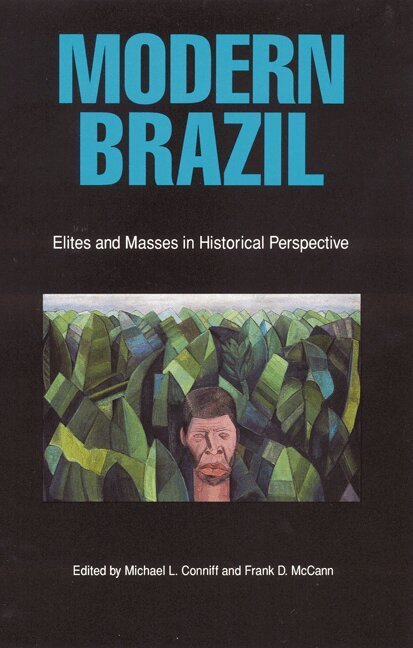
Modern Brazil, a collection of original essays, views the largest country in South America through the multiple lenses of political science, economics, telecommunications, and religion. The editors, Michael L. Conniff and Frank D. McCann, have provided a frame for this analysis of a complex society by centering on the elites, those who run national affairs, and the masses, those poor and working-class people who have little direct influence on them. Discussing the political elites from regional, national, and military standpoints are, respectively, Joseph L. Love and Bert J. Barickman, Conniff, and McCann. The economic elites, notably businessmen and industrialists, are analyzed by Steven Topik and Eli Diniz. The masses are considered in chapters by Eul Soo Pang, Thomas Holloway, and Michael Hall and Marco Aurelio García. Sam Adamo views the historical situation of blacks and mulattos in Brazil. In the final section, examining connections between the elites and masses, Robert M. Levine writes about how the former perceive the povo, Joseph Straubhaas looks at the mass media; and Fred Gillette Strum ex-amines religion in Brazil. The editors have included a general introduction, an epilogue focusing on Brazil in the late 1980s, and a glossary.
1 051 kr
Skickas inom 10-15 vardagar
This book provides an authoritative history of the Brazilian army from the army's overthrow of the monarchy in 1889 to its support of the coup that established Brazil's first civilian dictatorship in 1937. The period between these two events laid the political foundations of modern Brazil—a period in which the army served as the core institution of an expanding and modernizing Brazilian state.The book is based on detailed research in Brazilian, British, American, and French archives, and on numerous interviews with surviving military and civilian leaders. It also makes extensive use of hitherto unused internal army documents, as well as of private correspondence and diaries. It is thus able to shed new light on the army's personnel and ethos, on its ties with civilian elites, on the consequences of military professionalization, and on how the army reinvented itself after the collapse of its command structure in the crisis of 1930—a reinvention that allowed the army to become the backbone of the post-1937 dictatorship of Getulio Vargas.
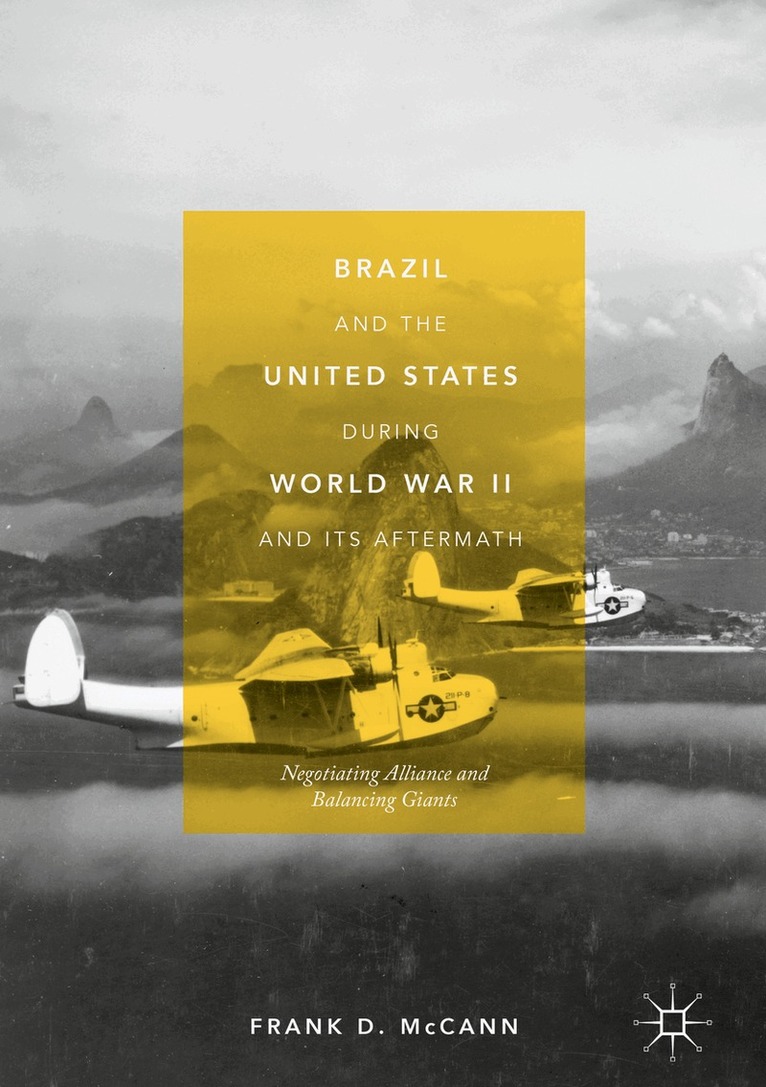
Brazil and the United States during World War II and Its Aftermath
Negotiating Alliance and Balancing Giants
Häftad, Engelska, 2019
1 205 kr
Skickas inom 10-15 vardagar
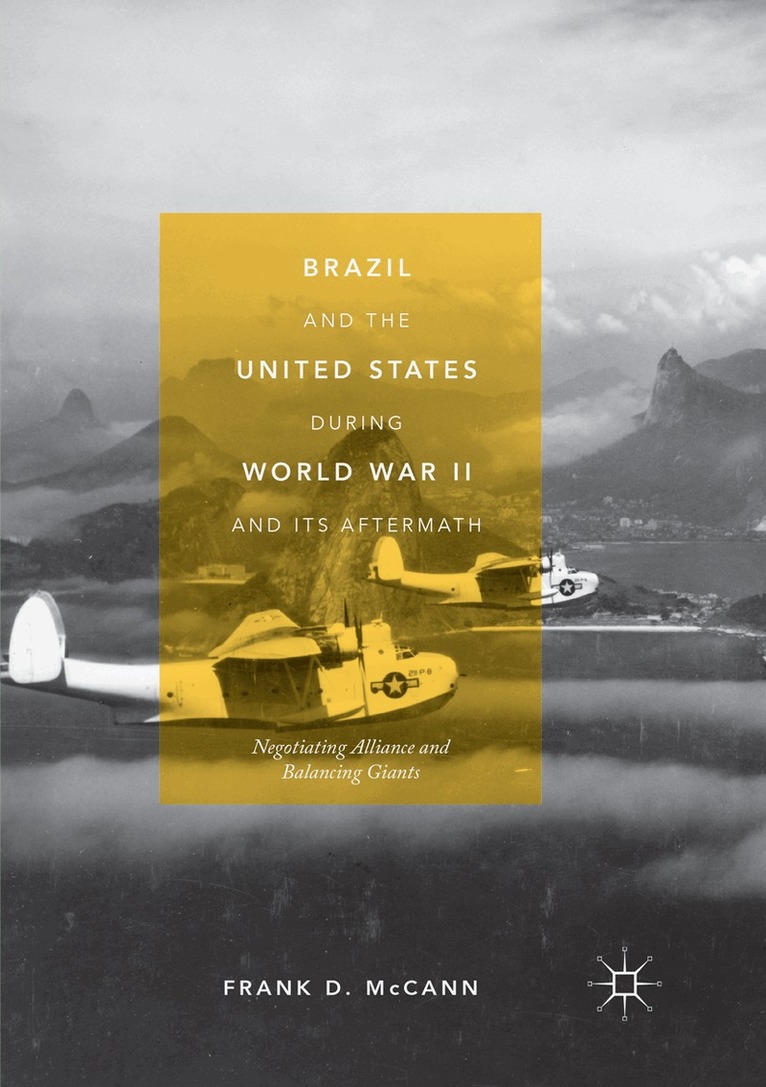
The military alliance between the United States and Brazil played a critical role in the outcome of World War II, and yet it is largely overlooked in historiography of the war.
Brazil and the United States during World War II and Its Aftermath
Negotiating Alliance and Balancing Giants
Inbunden, Engelska, 2018
1 205 kr
Skickas inom 10-15 vardagar
The military alliance between the United States and Brazil played a critical role in the outcome of World War II, and yet it is largely overlooked in historiography of the war.