Frank J. Fahy – författare
Visar alla böcker från författaren Frank J. Fahy. Handla med fri frakt och snabb leverans.
6 produkter
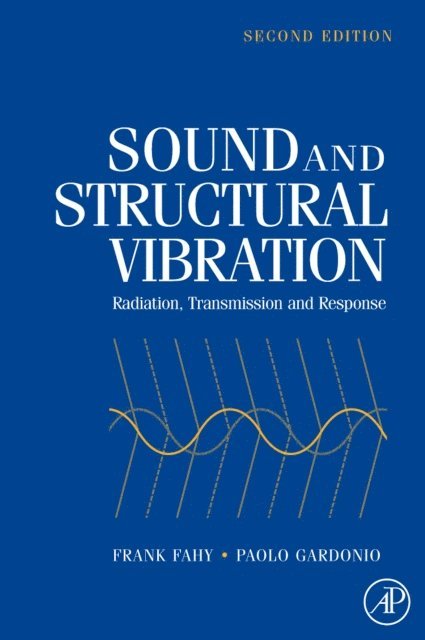
Sound and Structural Vibration
Radiation, Transmission and Response
E-bok, 2007
1174 kr
Lägg i varukorg
The first edition of Sound and Structural Vibration was written in the early 1980s. Since then, two major developments have taken place in the field of vibroacoustics. Powerful computational methods and procedures for the numerical analysis of structural vibration, acoustical fields and acoustical …
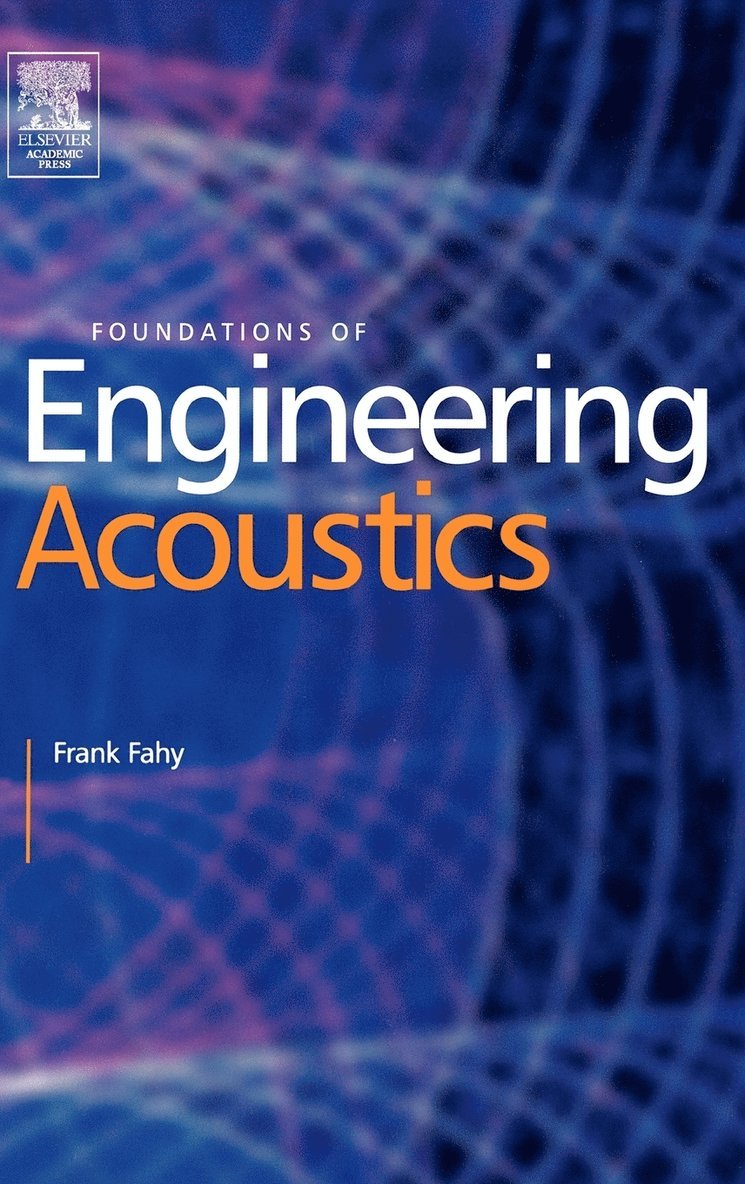
Foundations of Engineering Acoustics
E-bok, 2000
1451 kr
Lägg i varukorg
Foundations of Engineering Acoustics takes the reader on a journey from a qualitative introduction to the physical nature of sound, explained in terms of common experience, to mathematical models and analytical results which underlie the techniques applied by the engineering industry to improve the …
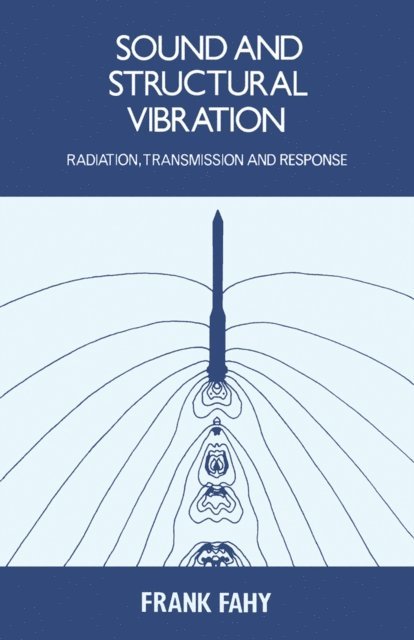
Sound and Structural Vibration
Radiation, Transmission and Response
E-bok, 2012
717 kr
Lägg i varukorg
This book presents a unified qualitative and quantitative account of the physical mechanisms and characteristics of linear interaction between audio-frequency vibrational motion in compressible fluids and structures with which they are in contact. The primary purpose is to instruct the reader in …
Structures and Fracture ebook Collection
Ultimate CD
Av K. Ravi-Chandar, Bingen Yang m. fl.
E-bok, 2008
4644 kr
Lägg i varukorg
Structures and Fracture ebook Collection contains 5 of our best-selling titles, providing the ultimate reference for every structural engineer''s library. Get access to over 3000 pages of reference material, at a fraction of the price of the hard-copy books. This CD contains the complete ebooks of …
Foundations of Engineering Acoustics
Inbunden, 2000
1380 kr
Lägg i varukorg
Foundations of Engineering Acoustics takes the reader on a journey from a qualitative introduction to the physical nature of sound, explained in terms of common experience, to mathematical models and analytical results which underlie the techniques applied by the engineering industry to improve the …
Sound and Structural Vibration
Radiation, Transmission and Response
Av Frank J. Fahy, Paolo Gardonio
Häftad, 2006
1098 kr
Lägg i varukorg
The first edition of Sound and Structural Vibration was written in the early 1980s. Since then, two major developments have taken place in the field of vibroacoustics. Powerful computational methods and procedures for the numerical analysis of structural vibration, acoustical fields and acoustical …