Frank Petersen – författare
Visar alla böcker från författaren Frank Petersen. Handla med fri frakt och snabb leverans.
10 produkter
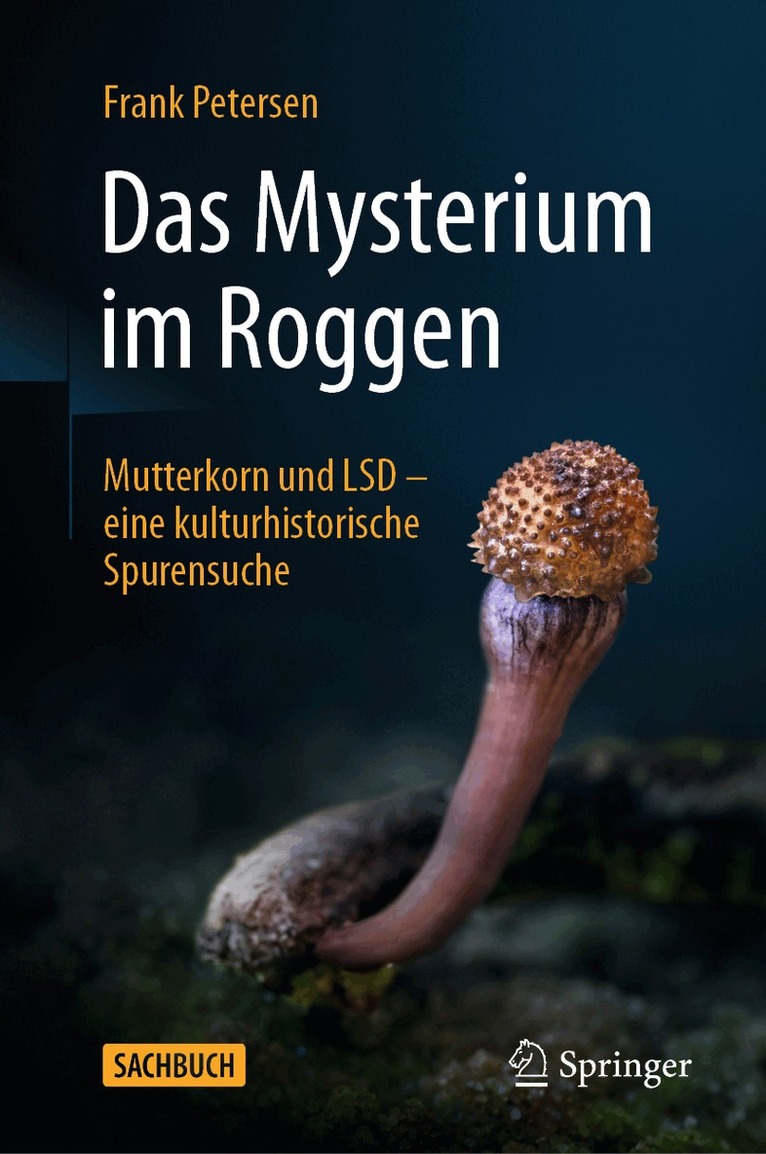
Das Mysterium im Roggen
Mutterkorn und LSD - eine kulturhistorische Spurensuche
Inbunden, 2024
313 kr
Lägg i varukorg
Das Sachbuch bietet einen fesselnden Einblick in die Geschichte und die medizinische Bedeutung des gefürchteten Mutterkorns. Dabei wird der Bogen von frühen medizinischen Schriften Mesopotamiens, Griechenlands und Chinas bis zu den industriellen und akademischen Laboren der pharmazeutischen …
Das Mysterium im Roggen
Mutterkorn und LSD - eine kulturhistorische Spurensuche
E-bok, 2024
375 kr
Lägg i varukorg
Das Sachbuch bietet einen fesselnden Einblick in die Geschichte und die medizinische Bedeutung des gefürchteten Mutterkorns. Dabei wird der Bogen von frühen medizinischen Schriften Mesopotamiens, Griechenlands und Chinas bis zu den industriellen und akademischen Laboren der pharmazeutischen …
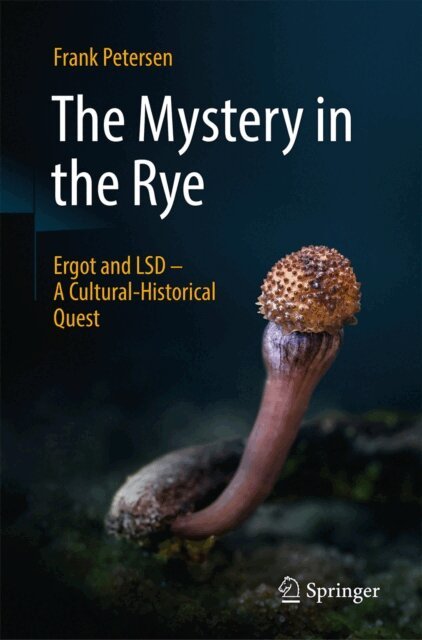
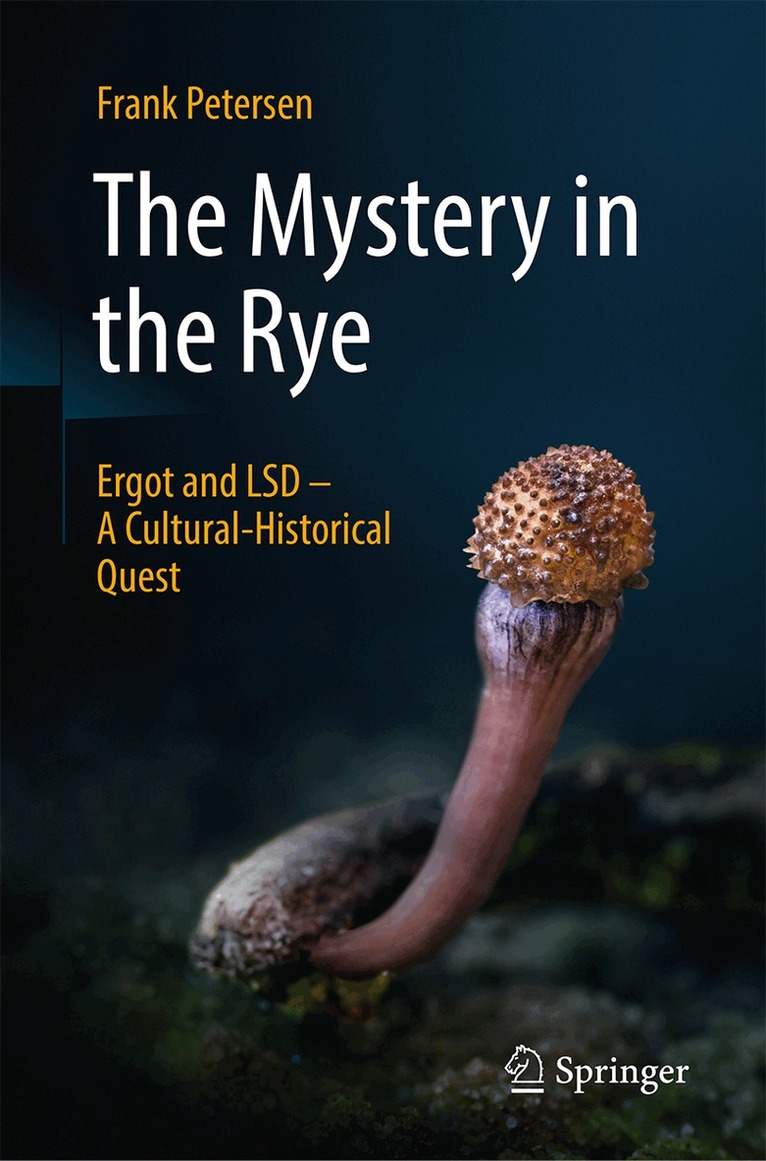
Mystery in the Rye
Ergot and LSD – A Cultural-Historical Quest
E-bok, 2025
718 kr
Lägg i varukorg
There are countless reports on microorganisms and their special abilities. The saga of the ergot fungus is perhaps the most unusual of them all. The unique history of this plant pathogenic microbe, which began with its infection of grasses, is told through a broad storyline that stretches from the …
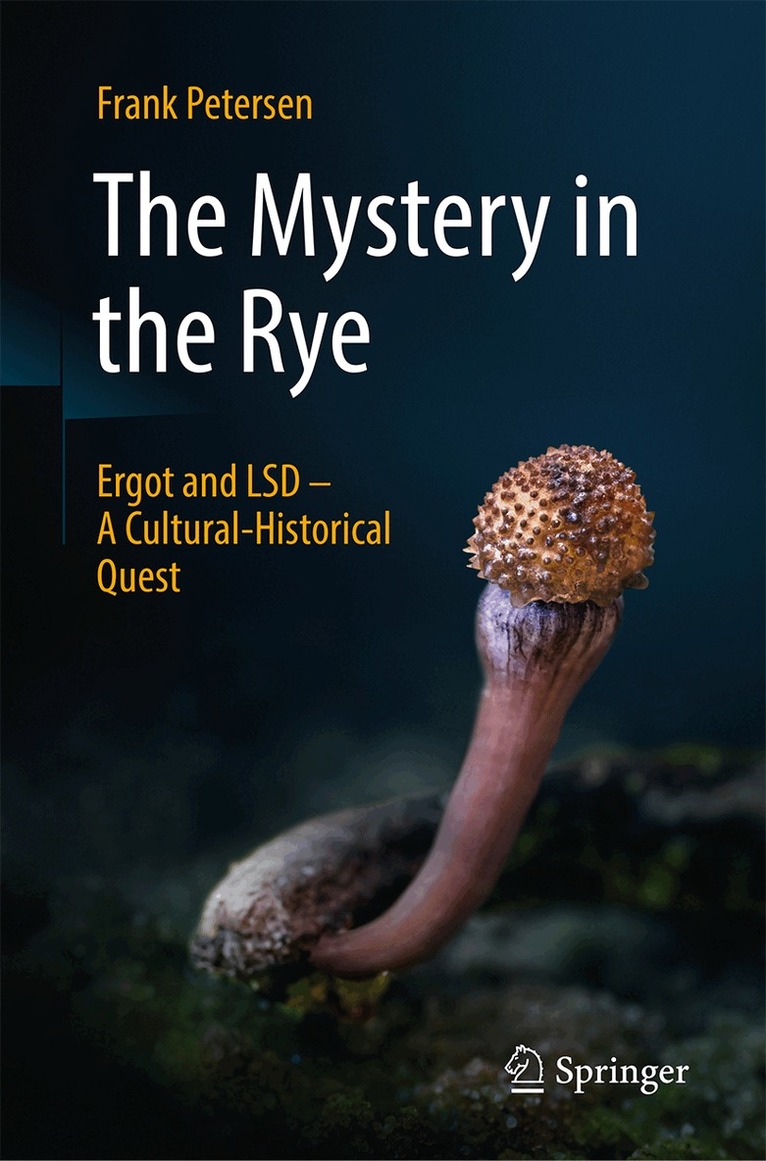
Mystery in the Rye
Ergot and LSD – A Cultural-Historical Quest
Häftad, 2026
506 kr
Lägg i varukorg
There are countless reports on microorganisms and their special abilities. The saga of the ergot fungus is perhaps the most unusual of them all. The unique history of this plant pathogenic microbe, which began with its infection of grasses, is told through a broad storyline that stretches from the …
Mystery in the Rye
Ergot and LSD – A Cultural-Historical Quest
Inbunden, 2025
506 kr
Lägg i varukorg
There are countless reports on microorganisms and their special abilities. The saga of the ergot fungus is perhaps the most unusual of them all. The unique history of this plant pathogenic microbe, which began with its infection of grasses, is told through a broad storyline that stretches from the …
Natural Compounds as Drugs, Volume I
Av Frank Petersen, René Amstutz
Inbunden, 2007
1690 kr
Lägg i varukorg
The use of herbal medicines, their preparation and application in human therapy, was described for the first time in history by the Sumerians approximately 5000 years ago. Even earlier in India and China, a highly sophisticated medical system with plant-based therapies had been dev- oped. Along …
Natural Compounds as Drugs, Volume I
Av Rene Amstutz, Frank Petersen
E-bok, 2007
2127 kr
Lägg i varukorg
The use of herbal medicines, their preparation and application in human therapy, was described for the first time in history by the Sumerians approximately 5000 years ago. Even earlier in India and China, a highly sophisticated medical system with plant-based therapies had been dev- oped. Along …
Natural Compounds as Drugs, Volume II
Av Frank Petersen, René Amstutz
Inbunden, 2008
1690 kr
Lägg i varukorg
The use of substances derived from plants, fungi, bacteria and marine organisms has a long tradition in medicine. Together with their derivatives, and synthetic compounds deduced from natural product precursors, they represent a major part of today's pharmaceutical market. In molecular biological …
Natural Compounds as Drugs, Volume II
Av Rene Amstutz, Frank Petersen
E-bok, 2008
2174 kr
Lägg i varukorg
The use of substances derived from plants, fungi, bacteria and marine organisms has a long tradition in medicine. Together with their derivatives, and synthetic compounds deduced from natural product precursors, they represent a major part of today''s pharmaceutical market. In molecular biological …