Frank Smith – författare
Visar alla böcker från författaren Frank Smith. Handla med fri frakt och snabb leverans.
66 produkter
Oxford Assess and Progress: Clinical Surgery
Av Oliver Old, Bernadette Pereira m. fl.
E-bok, 2014
403 kr
Lägg i varukorg
Oxford Assess and Progress: Clinical Surgery is a brand new addition to a trusted revision series for medical undergraduates. This volume includes over 270 SBAs and EMQs covering all the core surgical specialties from orthopaedics to urology. Many questions are illustrated with clinical …
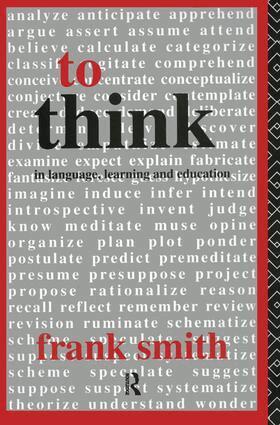
To Think
In Language, Learning and Education
Av Frank Smith
Häftad, 1992
785 kr
Lägg i varukorg
One of the central questions facing anyone involved in education is can you actually teach anyone to think? To begin to answer this question, it is necessary to know what thinking means. Frank Smith is one of the most influential writers in education today. His work on reading in particular has had …
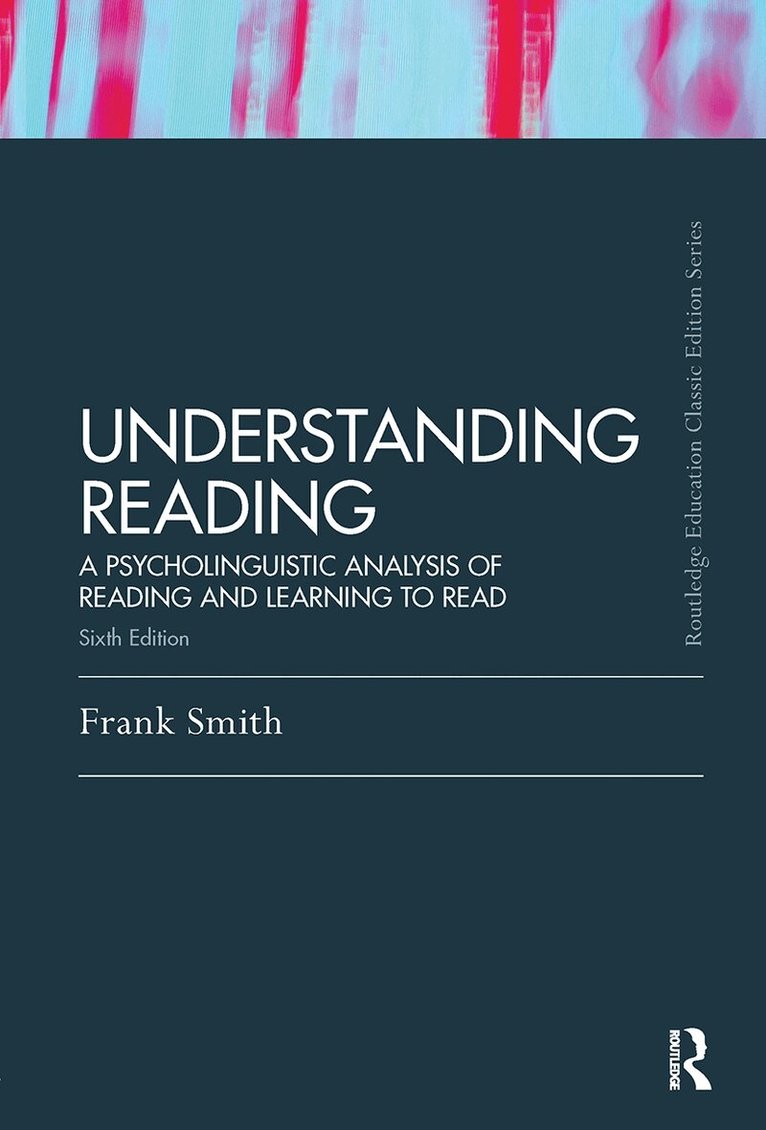
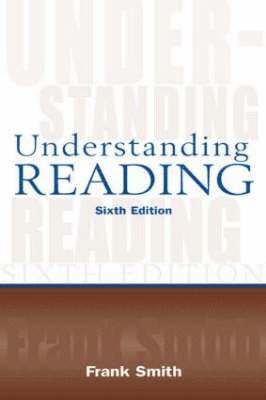
Understanding Reading
A Psycholinguistic Analysis of Reading and Learning to Read, Sixth Edition
Av Frank Smith
Häftad, 2011
926 kr
Lägg i varukorg
Understanding Reading revolutionized reading research and theory when the first edition appeared in 1971 and continues to be a leader in the field. In the sixth edition of this classic text Smith’s purpose remains the same: to shed light on fundamental aspects of the complex human act of reading – …
Writing and the Writer
Av Frank Smith
Inbunden, 1994
2585 kr
Lägg i varukorg
Exploring the relationship between the writer and what he/she happens to be writing, this text by one of the foremost scholars in the field of literacy and cognition is a unique and original examination of writing--as a craft and as a cognitive activity. The book is concerned with the physical …
Writing and the Writer
Av Frank Smith
Häftad, 1994
669 kr
Lägg i varukorg
Exploring the relationship between the writer and what he/she happens to be writing, this text by one of the foremost scholars in the field of literacy and cognition is a unique and original examination of writing--as a craft and as a cognitive activity. The book is concerned with the physical …
Understanding Reading
A Psycholinguistic Analysis of Reading and Learning to Read
Av Frank Smith
Inbunden, 2004
3408 kr
Lägg i varukorg
This sixth edition--a classic in the field of psychology of reading--explains fundamental aspects of the complex human act of reading--linguistic, psychological, and social--and what is involved in learning to read.
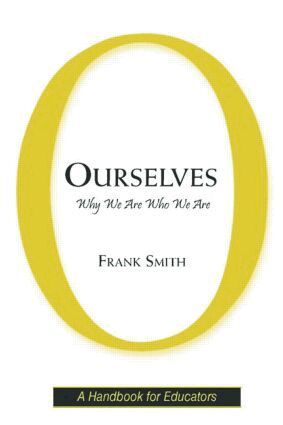
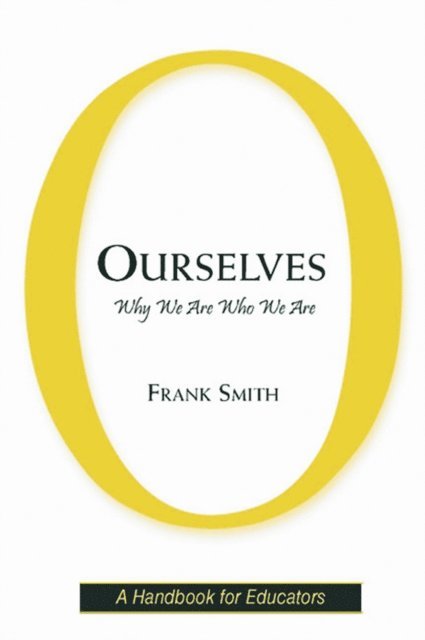
Ourselves
Why We Are Who We Are
Av Frank Smith
Häftad, 2006
589 kr
Lägg i varukorg
This book delves into how we come to terms with ourselves, with other people, and with the world in general. It is about how we come to be what we are, and to think the way we do. It is a book about influences on this process. A particular influence to which Smith gives central consideration is …
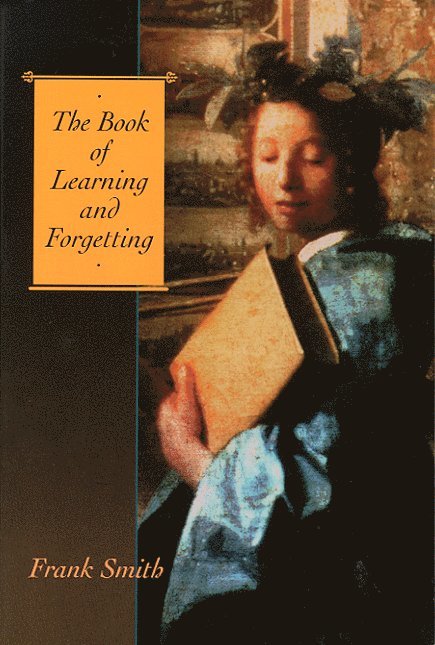
Book of Learning and Forgetting
Av Frank Smith
Häftad, 1998
334 kr
Lägg i varukorg
In this thought-provoking book, Frank Smith explains how schools and educational authorities systematically obstruct the powerful inherent learning abilities of children, creating handicaps that often persist through life. The author contrasts a false and fabricated ""official theory"" that …
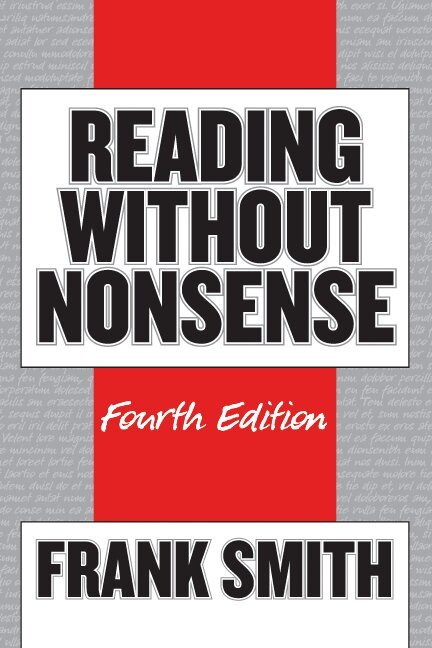
Reading Without Nonsense
Av Frank Smith
Häftad, 2006
319 kr
Lägg i varukorg
Reading Without Nonsense remains a groundbreaking, humanistic antidote to the managed ""systems"" approach to reading instruction. In his extensively revised fourth edition, Frank Smith brings teachers and teacher educators up to date on how reading should not be taught. It is a necessary reminder …
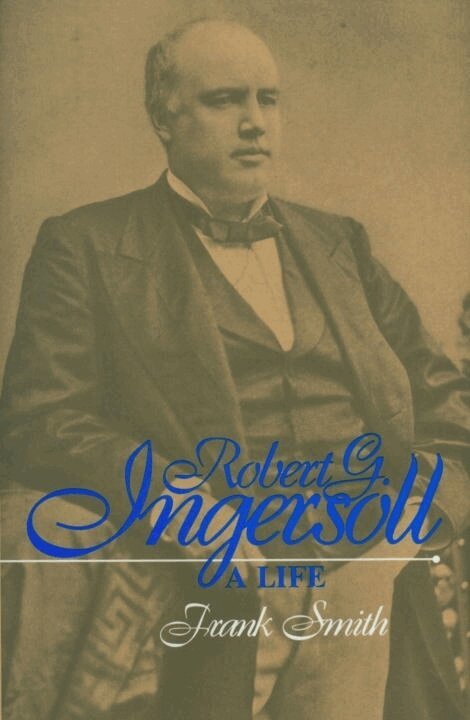
Robert G. Ingersoll
Av Frank Smith
Inbunden, 1991
462 kr
Lägg i varukorg
Robert G Ingersoll (1833-1899) was a complex figure - a brilliant lawyer and orator who courageously advanced the concept of free-thought; a magnetic extrovert whose public esteem, eagerly sought, never earned him the private favours he so generously bestowed on others. Ingersoll was a staunch …
Dover Farms; in Which is Traced the Development of the Territory
Av Frank Smith, Historical and Natural History Society
Inbunden, 2022
396 kr
Lägg i varukorg
Dover Farms; in Which is Traced the Development of the Territory
Av Frank Smith, Historical and Natural History Society
Häftad, 2022
250 kr
Lägg i varukorg
Dover Farms; in Which is Traced the Development of the Territory From the First Settlement in 1640 to 1900;
Av Frank Smith
Inbunden, 2022
396 kr
Lägg i varukorg
Dover Farms; in Which is Traced the Development of the Territory From the First Settlement in 1640 to 1900;
Av Frank Smith
Häftad, 2022
242 kr
Lägg i varukorg
Narrative History. A History of Dover Massachusetts as a Precinct Parish District and Town
Av Frank Smith
Inbunden, 2023
442 kr
Lägg i varukorg
Summer Birds Of The Douglas Lake Region, Cheboygan County, Michigan
Av Norman Asa Wood, Frank Smith
Inbunden, 2023
352 kr
Lägg i varukorg
Summer Birds Of The Douglas Lake Region, Cheboygan County, Michigan
Av Norman Asa Wood, Frank Smith
Häftad, 2023
176 kr
Lägg i varukorg
North American Earthworms Of The Family Lumbricidae In The Collections Of The United States National Museum
Av Frank Smith
Inbunden, 2025
335 kr
Lägg i varukorg
North American Earthworms Of The Family Lumbricidae In The Collections Of The United States National Museum
Av Frank Smith
Häftad, 2025
168 kr
Lägg i varukorg
Industrial Applications of X-Ray Diffraction
Av Frank Smith
E-bok, 1999
7962 kr
Lägg i varukorg
By illustrating a wide range of specific applications in all major industries, this work broadens the coverage of X-ray diffraction beyond basic tenets, research and academic principles. The book serves as a guide to solving problems faced everyday in the laboratory, and offers a review of the …
Ourselves
Why We Are Who We Are
Av Frank Smith
E-bok, 2013
675 kr
Lägg i varukorg
This book delves into how we come to terms with ourselves, with other people, and with the world in general. It is about how we come to be what we are, and to think the way we do. It is a book about influences on this process. A particular influence to which Smith gives central consideration is …